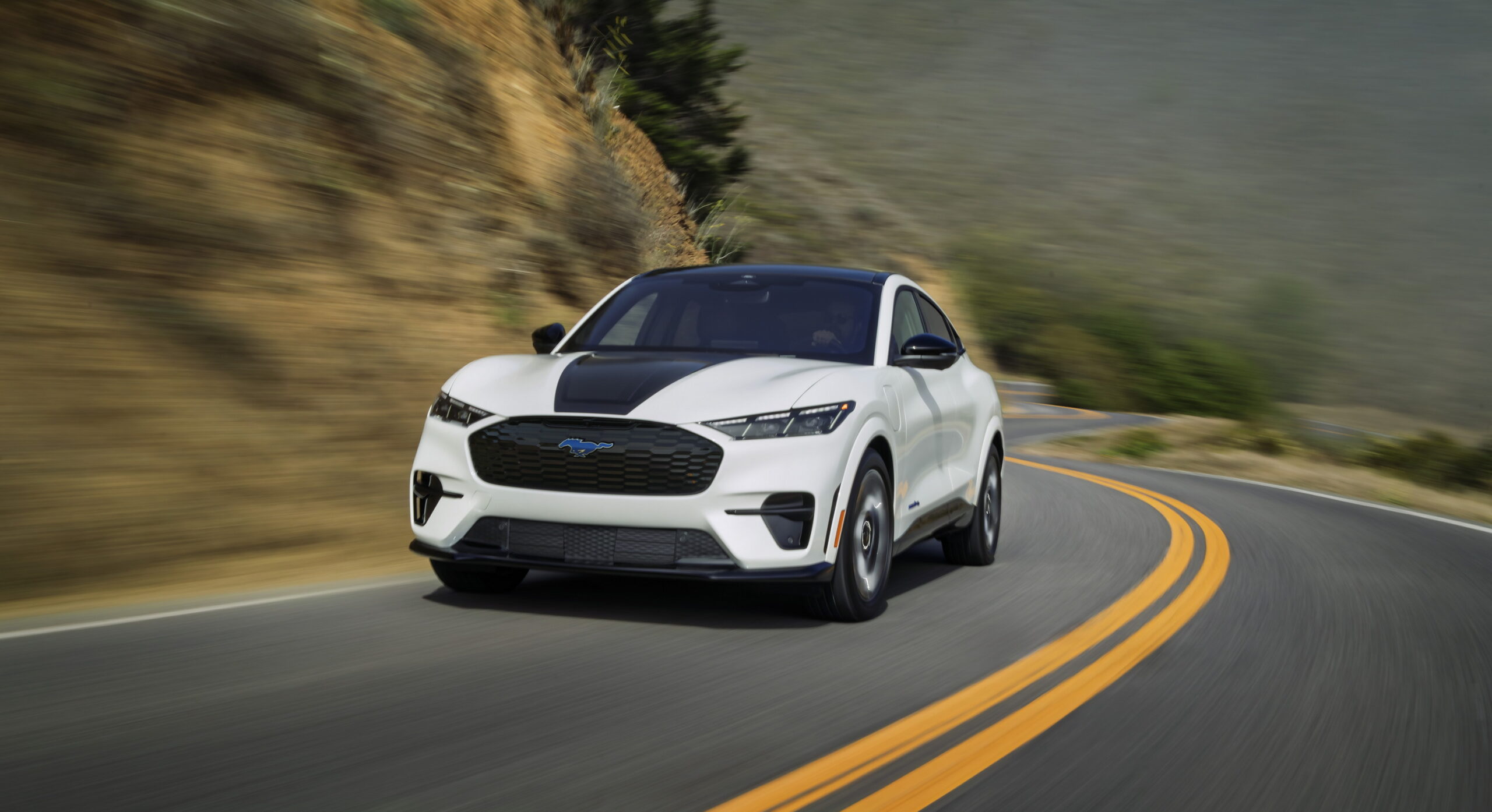
- A rumored Ford-Xiaomi EV deal quickly drew national attention.
- Both companies denied plans for any US-based collaboration.
- Lawmakers quickly criticized idea despite both sides denying.
The global EV race has reached a point where even rumors can travel fast and land hard, and this week provided a clear example. Xiaomi and Ford have both denied a report that they are in talks to jointly manufacture new electric vehicles in the United States, pushing back against a surprise claim that the two companies were exploring a shared path forward.
The story, published over the weekend by The Financial Times and attributed to four people familiar with the matter, alleged that Ford had held discussions with Xiaomi about forming a joint venture to build future EVs on American soil. It also claimed Ford has spoken with other Chinese automakers about possible US-based collaborations, including BYD.
Read: Ford’s CEO Is Daily Driving A Xiaomi SU7 EV And Loving It
Adding weight to the speculation, Ford chief executive Jim Farley has been openly complimentary about Chinese EVs in recent years, with particular praise reserved for the Xiaomi SU7. His remarks, along with his personal use of the car, have fueled curiosity about how closely Detroit is watching developments in China’s EV market.
Both Sides Say No
However, shortly after the report was published, Ford pushed back, stating, “This story is completely false,” and adding, “There is no truth to it.” Xiaomi also denied any plans to collaborate with Ford on building EVs in the US.
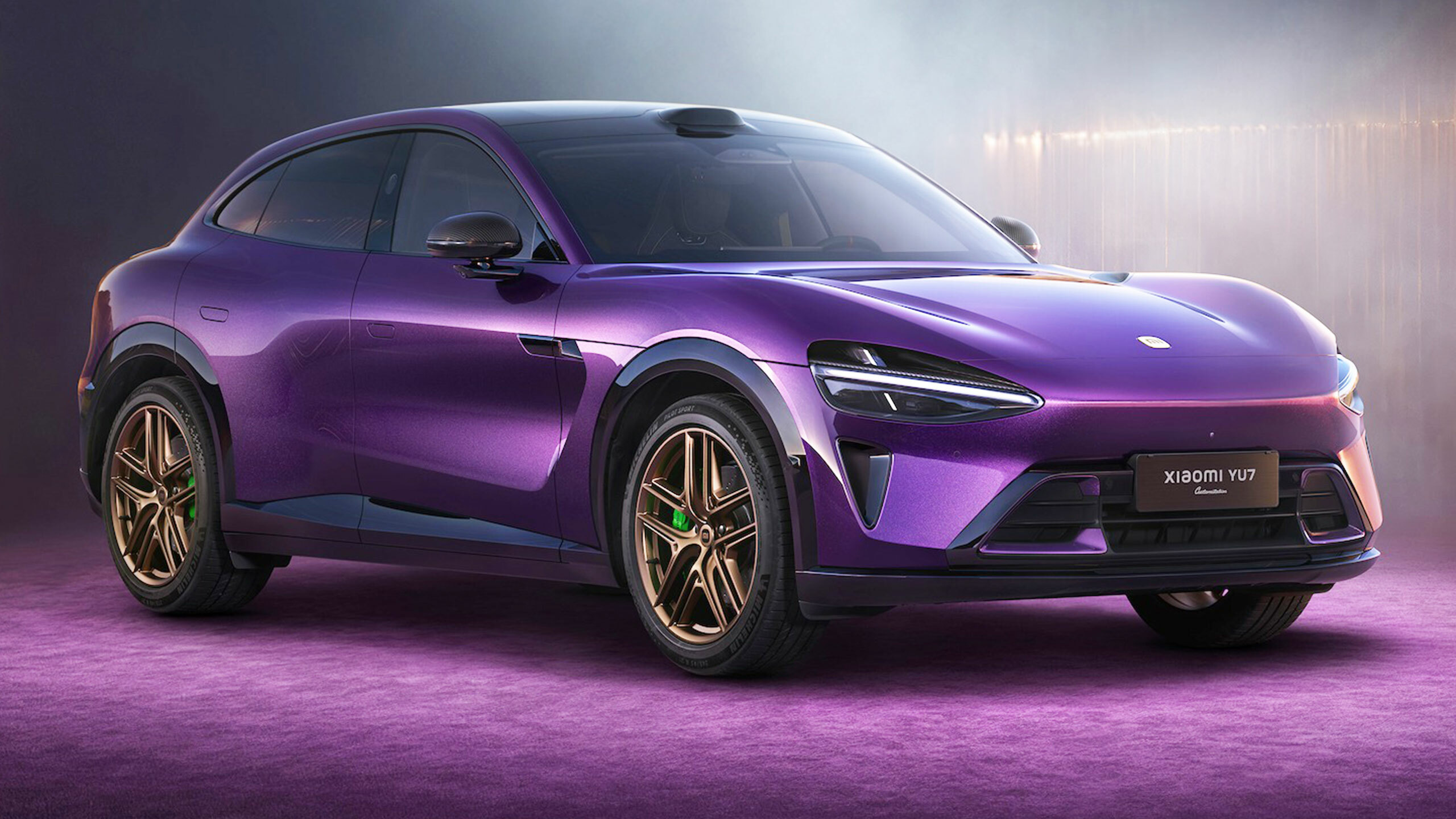
“Reports that Xiaomi is discussing a joint venture with Ford Motor Co are false. Xiaomi does not sell its products and services in the United States and is not negotiating to do so,” the Chinese company said.
Would the U.S. Even Allow It?
Even the idea of such a deal is politically volatile. Any partnership between an American automaker and a Chinese firm would likely face immediate scrutiny in Washington.
Speaking to the Financial Times, Representative John Moolenaar, the Republican chair of the House China committee, said a Ford-Xiaomi deal would amount to “turning its back on American and allied partners, and it will make our country further dependent on China.”
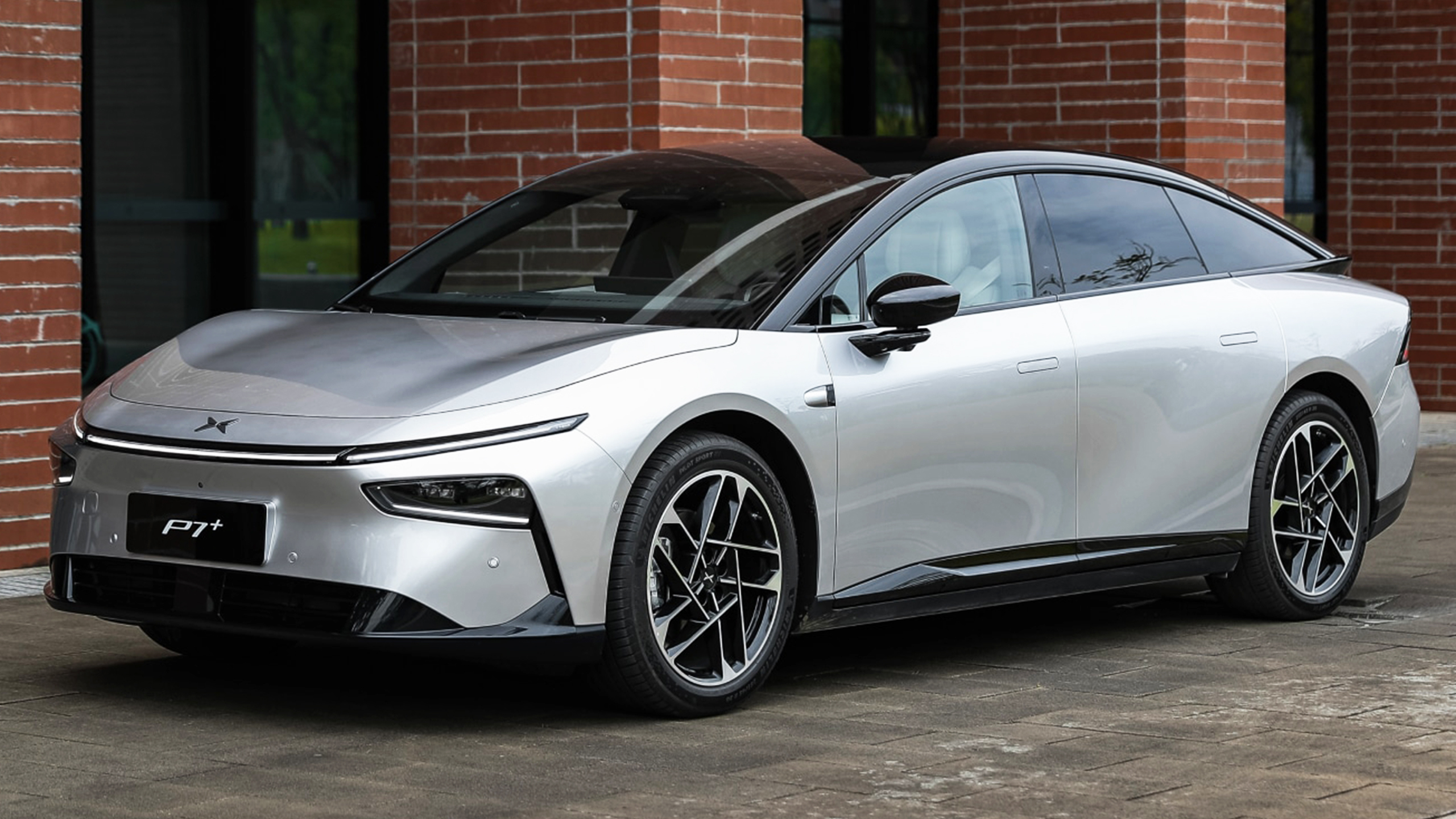
Current federal policy makes the prospect even more unlikely. The Biden administration recently finalized rules that effectively block Chinese EVs from entering the U.S. market, citing national security risks.
Surprisingly, President Donald Trump has taken a more nuanced stance. While still critical of China on trade, he has said he’d support Chinese companies building factories in the U.S. and employing American workers.
“If they want to come in and build a plant and hire you and hire your friends and your neighbors, that’s great, I love that,” Trump said. “Let China come in.”