









- Audi’s inline five bows out in Europe after five decades of character.
- EU7 emissions and EV shift mean no costly redesign for niche engine.
- RS3 production ends mid-2027, with US getting cars after EU drops it.
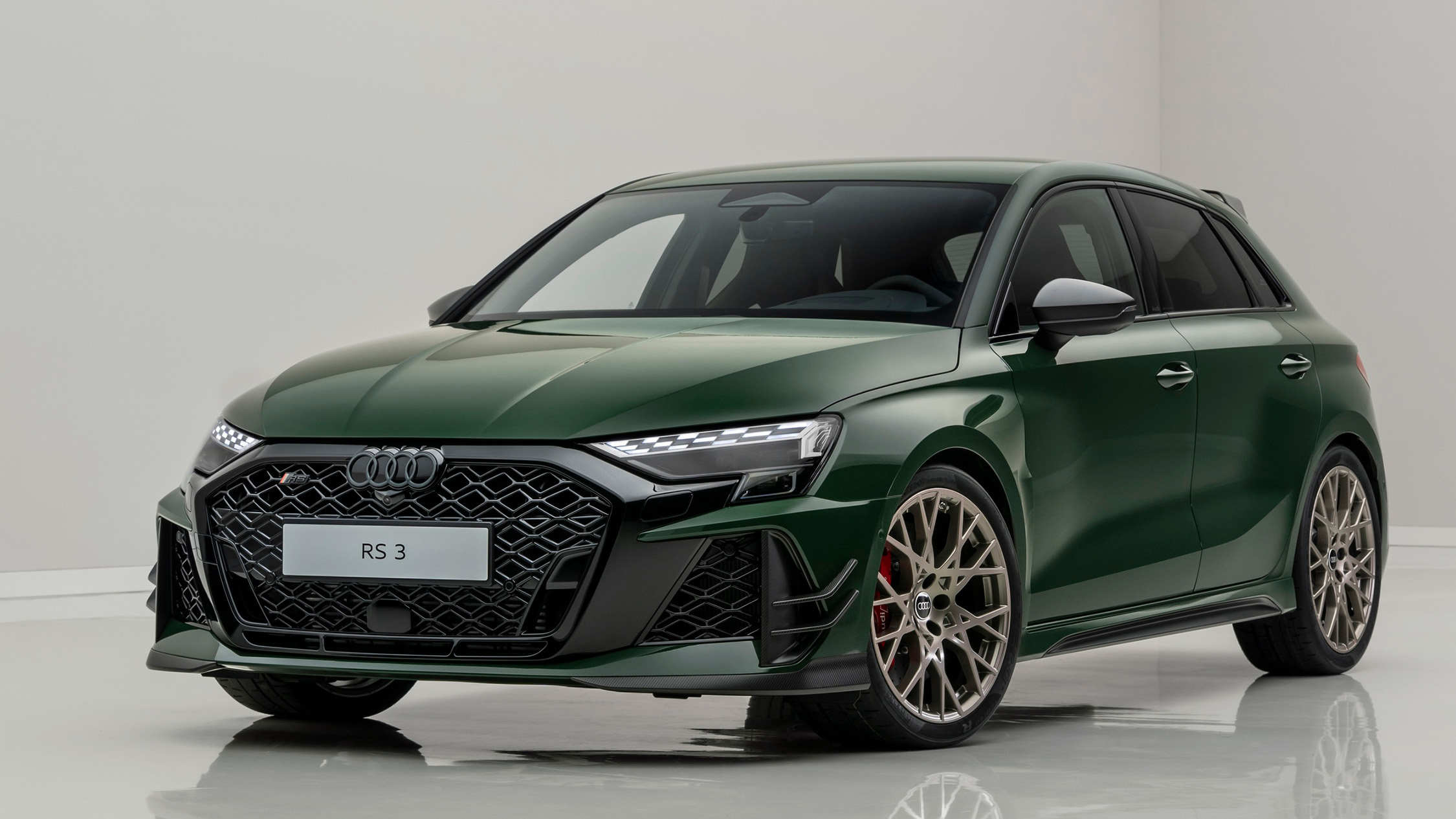
We’ve had the party, now it’s time to clear away the mess. Fresh from celebrating the 50th anniversary of its iconic five-cylinder engine with the limited-run RS3 Competition, Audi is preparing to retire the warbling motor for good.
According to German media, Audi has decided to drop the iconic inline-five from its European lineup at the end of this calendar year. New EU7 emissions rules are looming, and bringing the engine up to spec would require a major overhaul that just isn’t worth it.
Also: This Audi UR-Quattro Restomod Has An RS4 Living Inside It
Audi isn’t interested in that kind of investment anymore. “As of today, there are no plans to relaunch the five-cylinder engine,” an Audi spokesperson told Automobilwoche. Instead, the brand is pouring money into EVs while also tightening budgets to help boost a profit margin that fell from 6 to 5.1 percent in 2025.
US Reprieve
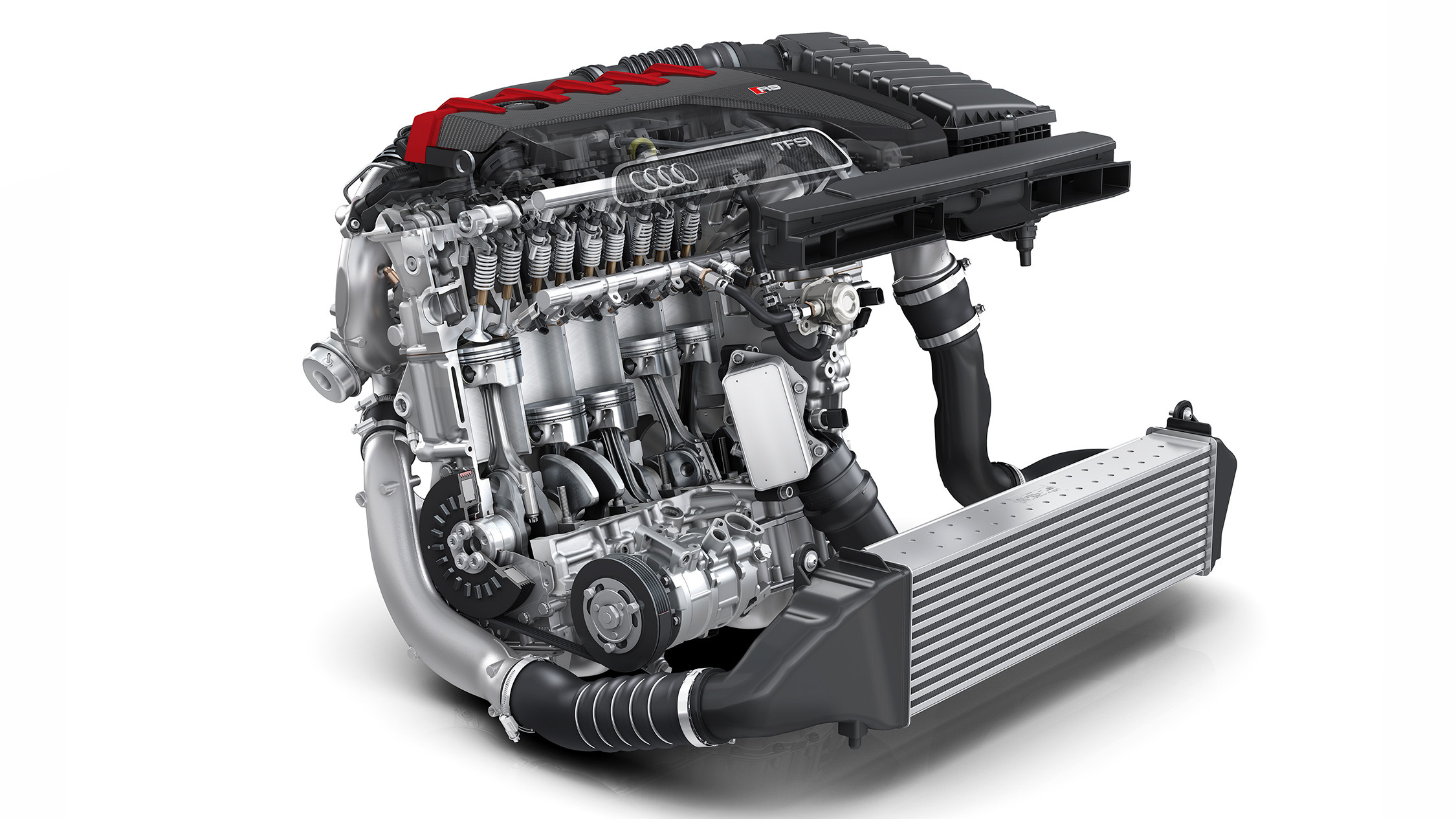
That means the charismatic 395 hp (294 kW / 400 PS) 2.5 TFSI found in cars like the RS3 sedan and hatch will slowly fade out, even if it won’t vanish overnight. Audi UK told Carscoops the engine would disappear from its lineup at some undefined point in 2026, but markets outside Europe, including the US, could keep it a little longer, Automobilwoche’s report says. RS3 production in Hungary is set to run until mid 2027, it claims.
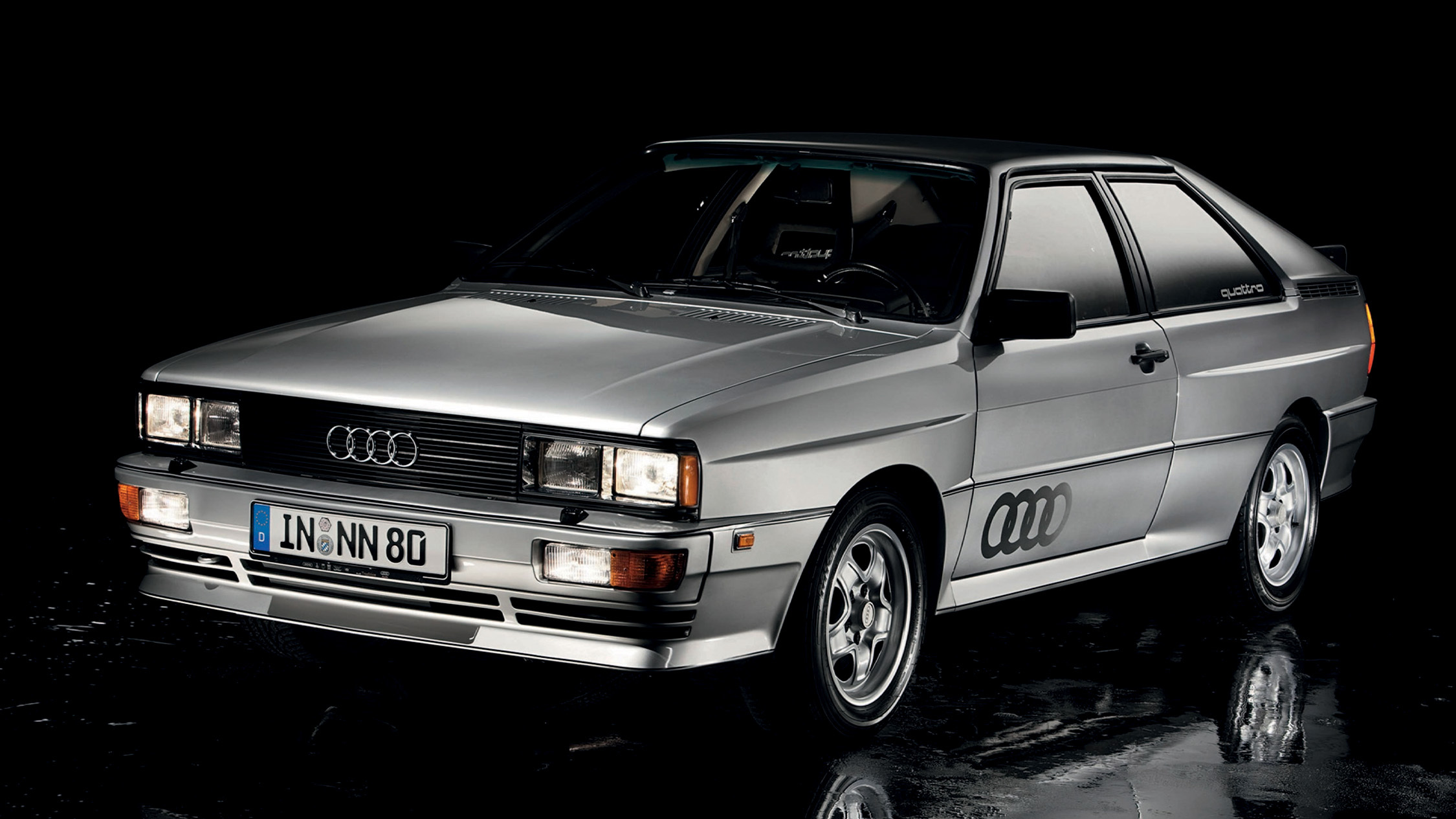
It’s a quiet end for an engine that never really was quiet. The offbeat firing order gave it a warbling soundtrack that was unmistakably Audi, especially in the original Quattro. Back in the 1980s, that combination of turbo power and all-wheel drive helped define the start of rallying’s modern era.
But the five-cylinder wasn’t just about sideways action and gravel stages. It also powered more refined machinery, helping Audi move upmarket in the late 1970s. The original Audi 100 used it to add the kind of smooth, effortless performance that four cylinders couldn’t deliver at the time.
Another Step To Uniformity
And that’s what makes this loss sting. Not just because it’s an engine, but because it’s a type of engine. A weird one. A distinctive one. A few decades ago, the automotive world was an eclectic playground. Rotaries buzzed, big naturally aspirated engines roared, small engines breathed deeply with clever cam tricks or turbocharging, and oddballs like the inline-five carved out their own niche.
Now things are more uniform. Turbocharged fours, boosted sixes, and twin-turbo V8s dominate. They’re fast, efficient, and yeah, of course, they’re capable. But they’re also increasingly similar. So when Audi’s five-cylinder finally goes quiet, it won’t just be the end of a powertrain. It’ll be the fading of another voice in a choir that’s getting smaller every year.