











- New details are emerging about the upcoming Jaguar GT.
- Tri-motor sedan will have 1,000+ hp and around 1,000 lb-ft.
- Upcoming model will reportedly weigh around 5,952 lbs.
Jaguar’s electric rebirth is running behind schedule, but new details are starting to emerge about their four-door GT. It’s slated to debut later this year and the company has promised it will be “fearlessly unique and emotionally engaging.”
While that remains to be seen, Evo recently took a spin in a prototype and shared an assortment of specifications. They’re reporting the model will measure around 204.7 inches (5,200 mm) long, which would slot it between the short- and long-wheelbase XJ. The latter variant measured 206.9 inches (5,255 mm) long, while the shorter version came in at 202 inches (5,130 mm).
More: Jaguar’s New Electric GT Is Learning To Slide Before It Can Strut
The luxury sedan will ride on the 850-volt Jaguar Electrical Architecture and feature a tri-motor powertrain with two motors mounted at the rear, enabling torque vectoring. Combined output is said to exceed 1,000 hp (746 kW / 1,014 PS) with around 1,000 lb-ft (1,354 Nm) of torque. That should make the flagship blisteringly quick, with 0-62 mph (0-100 km/h) reportedly arriving in the low three-second range.
Power is provided by a 120 kWh battery pack, which is said to provide a WLTP range of 435 miles (700 km). When the battery is low, a 350 kW fast charger can reportedly provide 200 miles (322 km) of range in less than 15 minutes.


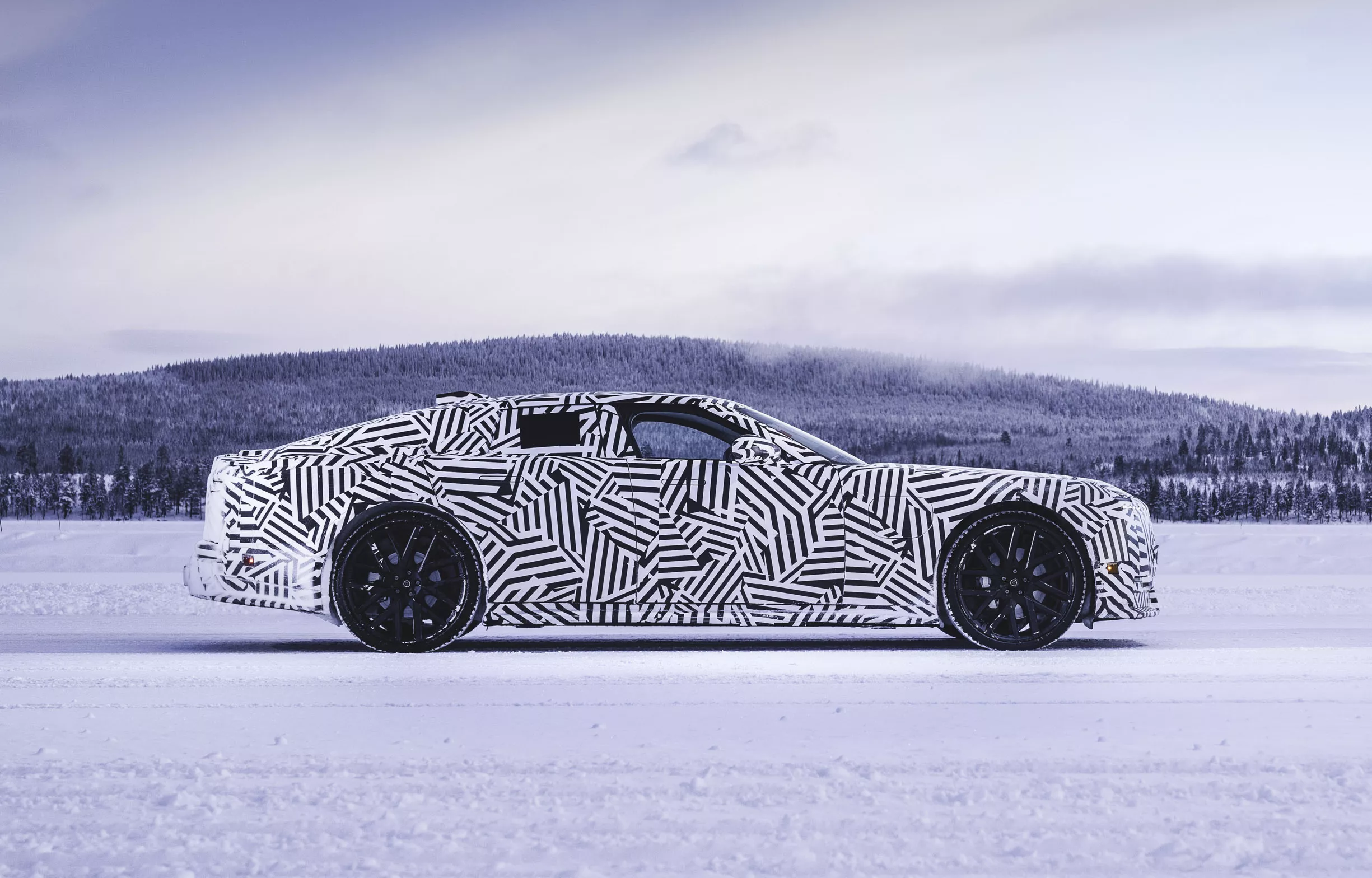


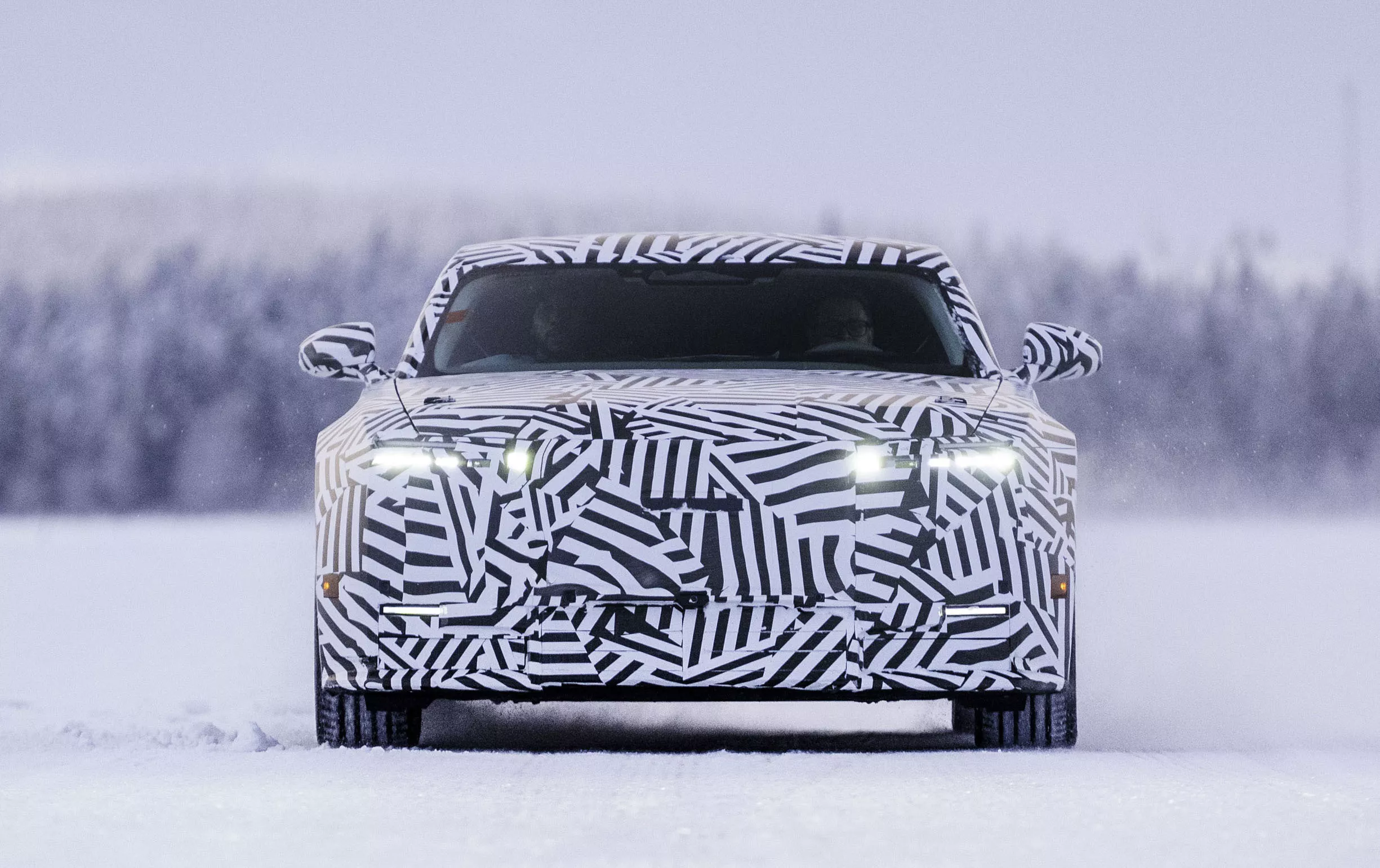



While the beefy battery ensures a healthy range, it also means the car weighs around 5,952 lbs (2,700 kg). That’s around 2,039 lbs (925 kg) more than the old XJ LWB 3.0 Supercharged. It’s also worth noting the model will weigh about as much as the BMW i7 xDrive60, which tips the scales at 5,986 lbs (2,715 kg).
The publication goes on to say the car has a twin-chamber air suspension with Bilstein adaptive dampers as well as three drive modes known as Comfort, Dynamic, and Rain/Snow/Ice. They added most of the hard work is already done, but the software tuning is only 75-80% complete. That likely explains why the car missed its originally scheduled debut of late last year.


