- A supplier pay dispute is causing a major headache for Stellantis.
- Issue has temporarily stopped Cherokee and Compass production.
- ZF Foxconn Chassis Modules is said to be seeking millions of dollars.
Jeep’s struggles are widely known, but the company has been working to address its problems with a series of changes. Besides introducing a facelifted Grand Cherokee and Grand Wagoneer, they finally brought back the Cherokee.
The redesigned crossover was unveiled last summer and arrived at dealerships in late 2025. While the automaker has a lot riding on the model, it’s already running into problems.
More: Jeep Cherokee Returns As A Luxurious Hybrid With A Price To Match
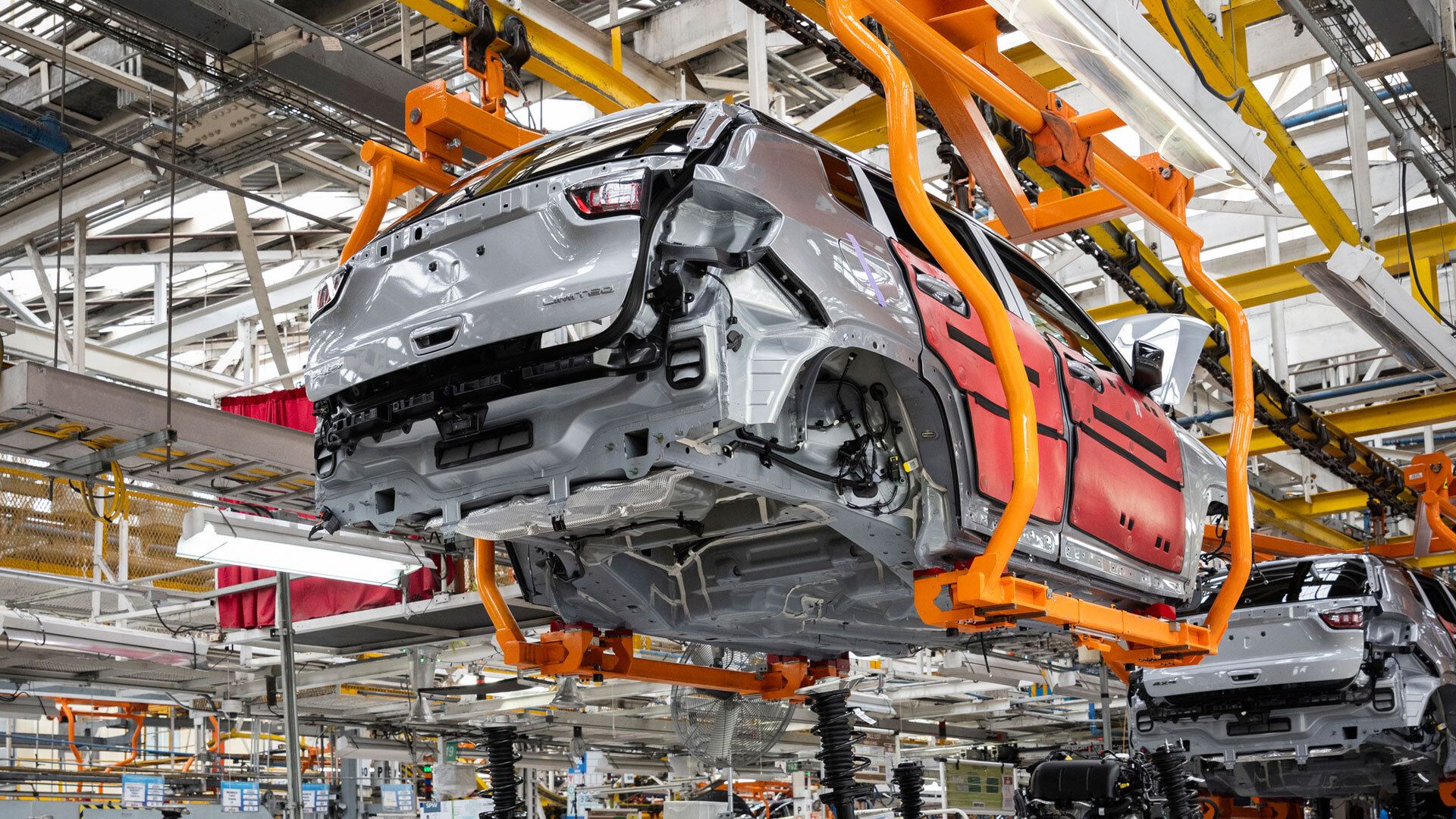
According to the Wall Street Journal, production in Toluca, Mexico has been halted since March 14 due to a payment dispute with a supplier. A lawsuit viewed by the publication says ZF Foxconn Chassis Modules stopped delivering parts to the plant after “seeking additional price increases on contracts.”
However, this appears to be temporary as Stellantis implied a court order will force shipments to resume and allow operations at the plant to restart shortly.
Unfortunately, this isn’t an isolated incident as the supplier reportedly threatened to stop sending parts to Windsor Assembly unless the automaker agreed to “tens of millions of dollars in price increases.” This would have stopped production of the Chrysler Pacifica and Dodge Charger, but a temporary restraining order means parts will continue flowing for the time being.
The publication said ZF Foxconn Chassis Modules wanted more money last December and Stellantis agreed to “substantial price increases” as well as a payment of more than $26 million to keep parts coming. Instead of solving the dispute, Stellantis claims it “emboldened” the company to seek an additional $70 million as well as further price increases. It appears halting deliveries was intended to increase the pressure, but courts intervened.
While the situation sounds messy, sales of the Cherokee are unlikely to be impacted as a quick search reveals U.S. dealers have over 5,000 units in stock. However, courts will eventually have to decide what happens next unless a agreement is struck.