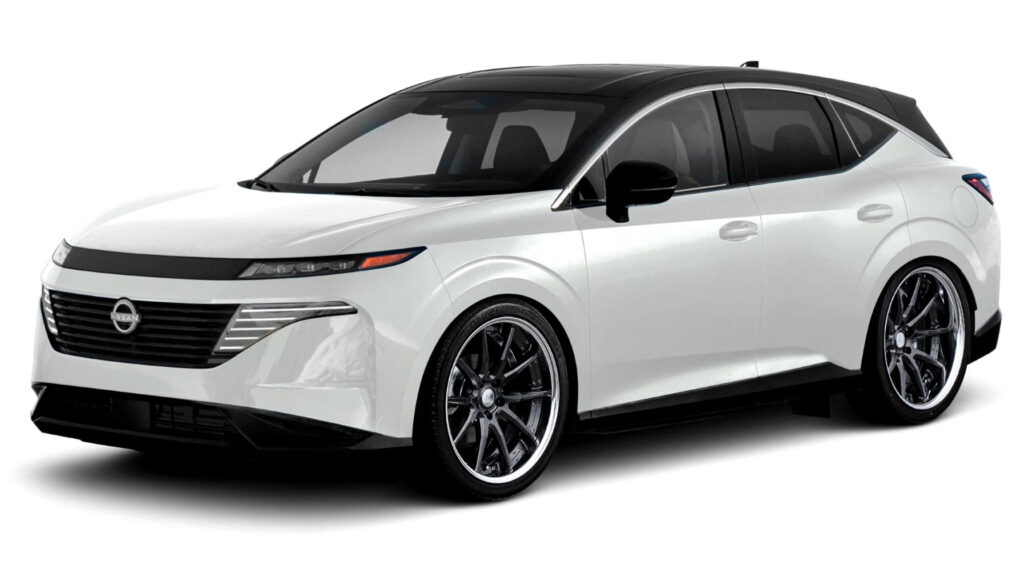
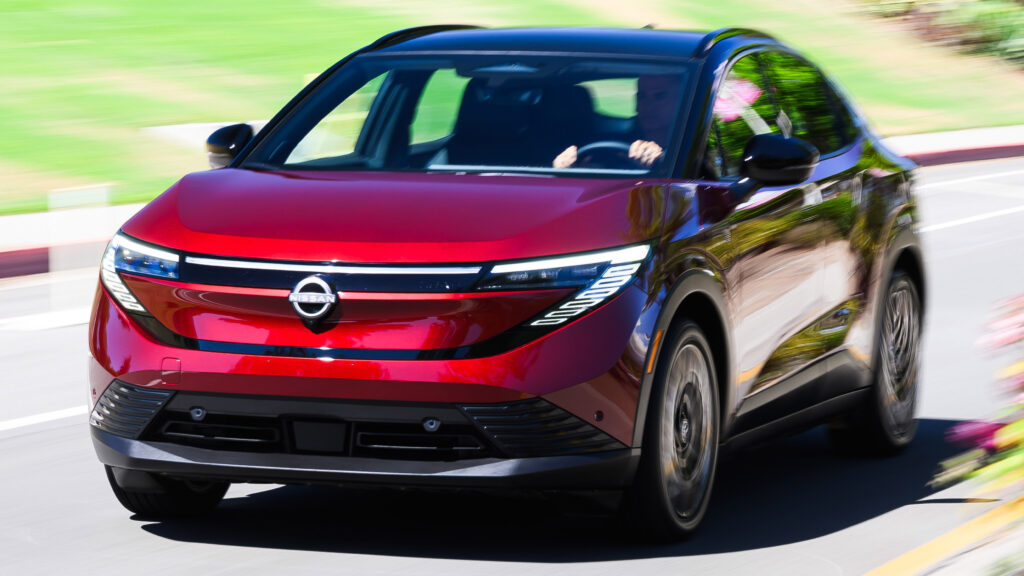
- Nissan says tariffs on Mexico-built cars add roughly $2,500 to $3,000 each.
- Sentra and Kicks both start under $23,000, among few affordable new cars left.
- Shifting production to the US would raise costs it says it simply cannot absorb.
Nissan is warning that tariffs on Mexican-built vehicles could soon push prices higher for some of its most affordable models in the States. The automaker says that if it is forced to shift production to the US, costs will rise and those increases will likely be passed on to buyers.
The company currently produces popular models like the Sentra and Kicks in Mexico, where lower labor costs help keep prices within reach. The Sentra starts at $22,600, while the Kicks begins at $22,430. According to Nissan officials, tariffs on these models add roughly $2,500 to $3,000 per vehicle. Cars built in Mexico accounted for more than one-third of Nissan’s US sales volume last year.
Before it was discontinued in the US, Nissan also built the Versa there. It was once the last new car priced under $20,000, starting at $17,390. Average new car prices recently stood at $49,353, down from a peak of $50,326 in December, according to Kelley Blue Book.
Read: Mexico Starts 2026 With Steep Car Tariffs, And One Country Is Getting Slammed
While speaking at the New York Automotive Forum, Nissan Americas chairman Christian Meunier told Bloomberg, “We couldn’t build these entry-level cars in the US at the same cost, we couldn’t do it,” adding that “the problem is the margin.”
The Next Few Months Will Be Important



Nissan has been in discussions with lawmakers about easing tariffs. According to Meunier, they have been receptive to the idea, Bloomberg reports. “Affordability is something the government cares about, and they understand our concerns,” he said. Whether tariffs will be relaxed remains a contentious question, particularly within the Trump administration.
The direction of these tariffs could be decided in the coming months. The US-Mexico-Canada Agreement (USMCA) is going up for a mandatory review soon, ahead of a possible extension on July 1. If the three countries agree to extend the deal, it will remain in effect for a further 16 years.
However, Trump has not indicated any willingness to revisit the trade deal. In January, he said he doesn’t “really care about it,” adding the deal is “irrelevant” and has “no real advantage to it.” During the same interview, he added, “We don’t need cars made in Canada, we don’t need cars made in Mexico, we want to make them here, and that’s what’s happening.”