- Acura, Honda, and Jeep have become the latest automakers to issue airbag-related recalls.
- Over 400,000 Grand Cherokees have side airbags that may not deploy fast enough.
- Japanese automakers are expanding an earlier recall to include nearly 100,000 more vehicles.
May is shaping up to be airbag recall month as we can add two more automakers to the list. The latest campaigns impact 517,927 vehicles from Acura, Honda, and Jeep.
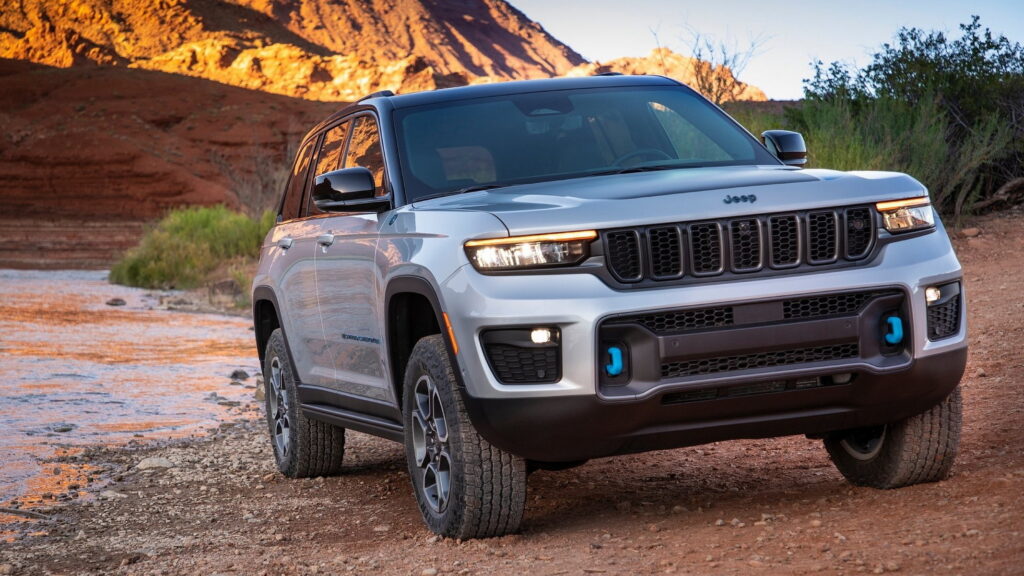
The largest recall impacts 419,035 Jeep Grand Cherokees (2022-2026) and Grand Cherokee Ls (2023-2025). The National Highway Traffic Safety Administration says their side airbags may not properly deploy due to a software error.
More: Explosive Airbag Inflators And Unexpected Braking Spark New Recalls For Hyundai
According to the government, approximately 1% of the recalled vehicles may have occupant restraint controller modules with software that “may cause transient door airbag pressure sensor faults to remain active for the lifetime of the sensor.” These faults can result in delayed side airbag deployment in the event of a crash, which means they fail to comply with federal safety standards.
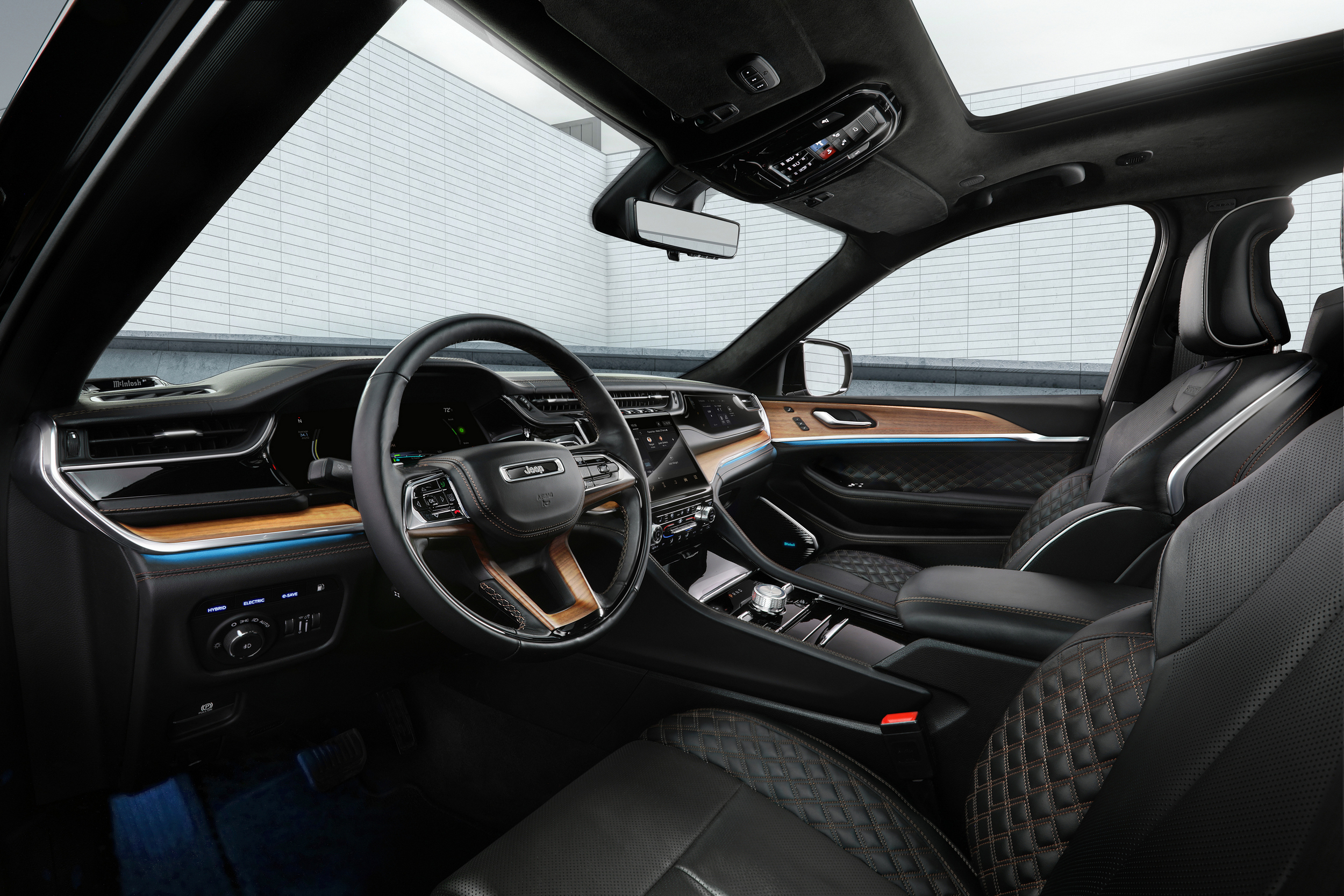
The automaker became aware of a problem in early 2023, following a series of warranty claims related to door airbag pressure sensors. The company spent years investigating, but they eventually pinpointed the problem.
To address the issue, dealers will update the occupant restraint controller module software. Owner notifications are scheduled to go out towards the middle of next month.
Acura And Honda Airbag Recall
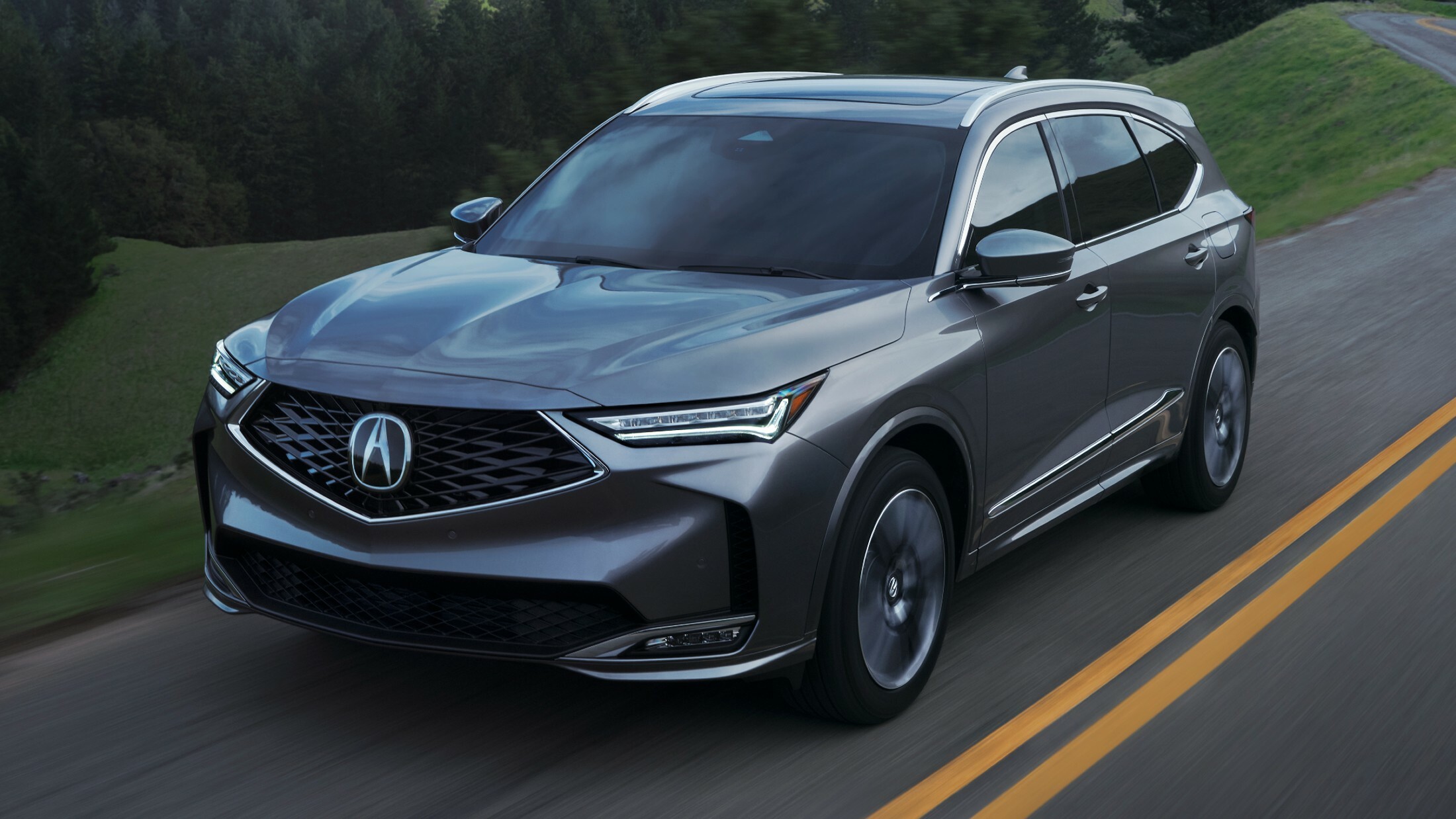
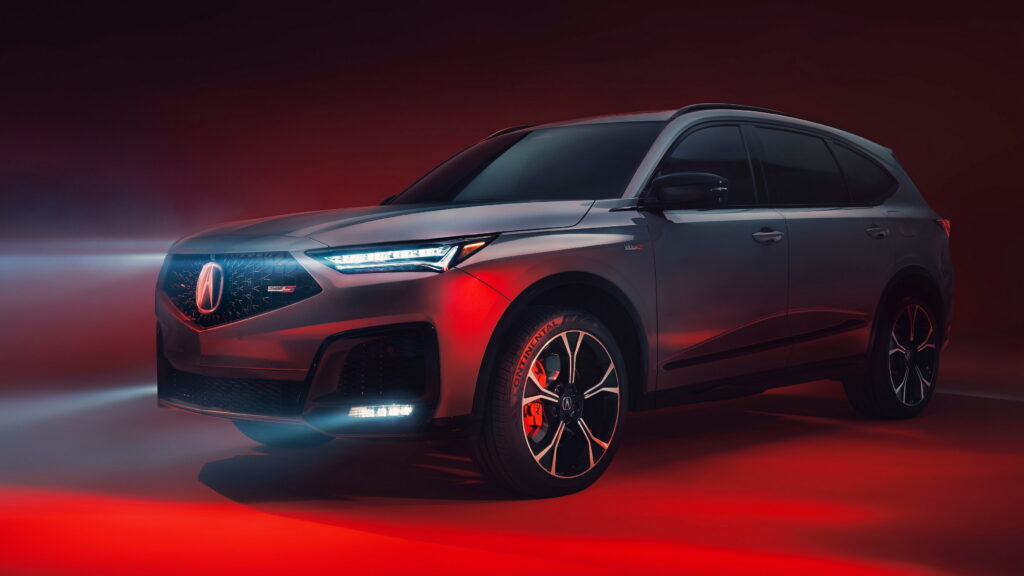
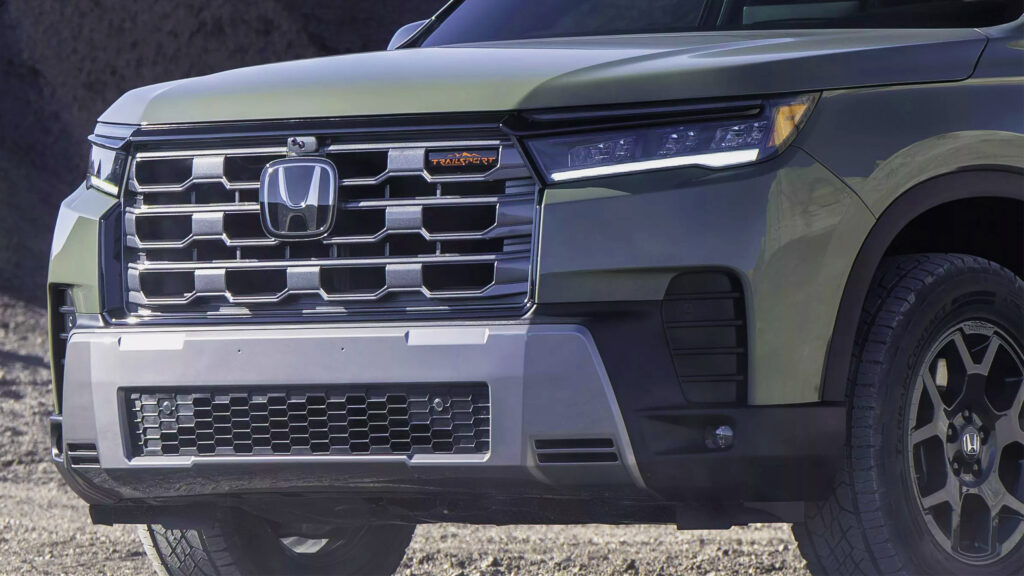
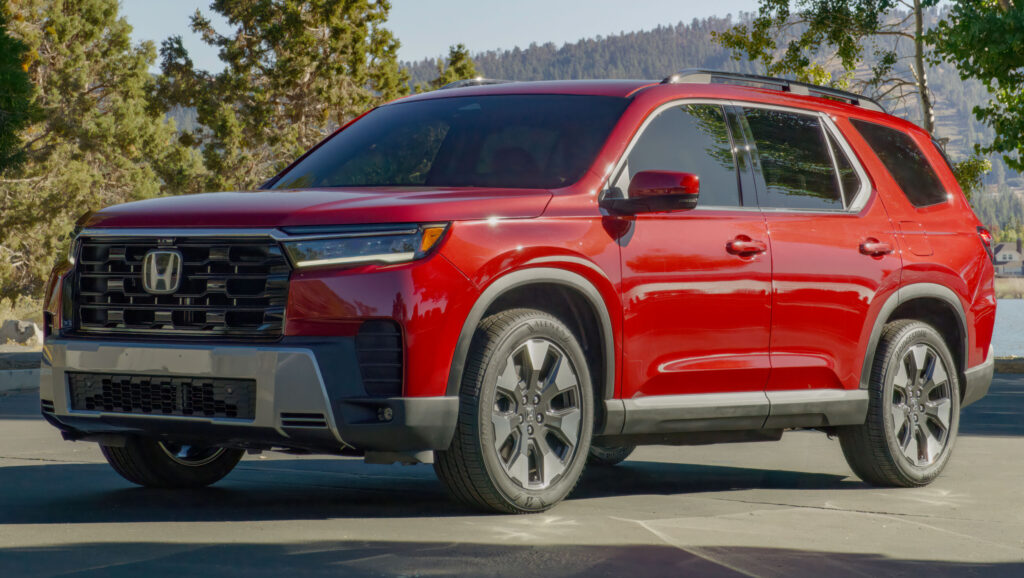
Airbags aren’t just a problem for General Motors, Hyundai, and Stellantis as Acura and Honda are recalling 98,892 vehicles over a different airbag issue. In numerous models, the “front passenger seat weight sensor may crack and short circuit, which can cause the airbags to deploy unintentionally during a crash.”
The safety recall report said a capacitor on the printed circuit board can crack and cause an internal short circuit when exposed to humidity in the air. This can result in the front passenger airbags deploying at full force, even if a small child or infant in a car seat is on the passenger side.
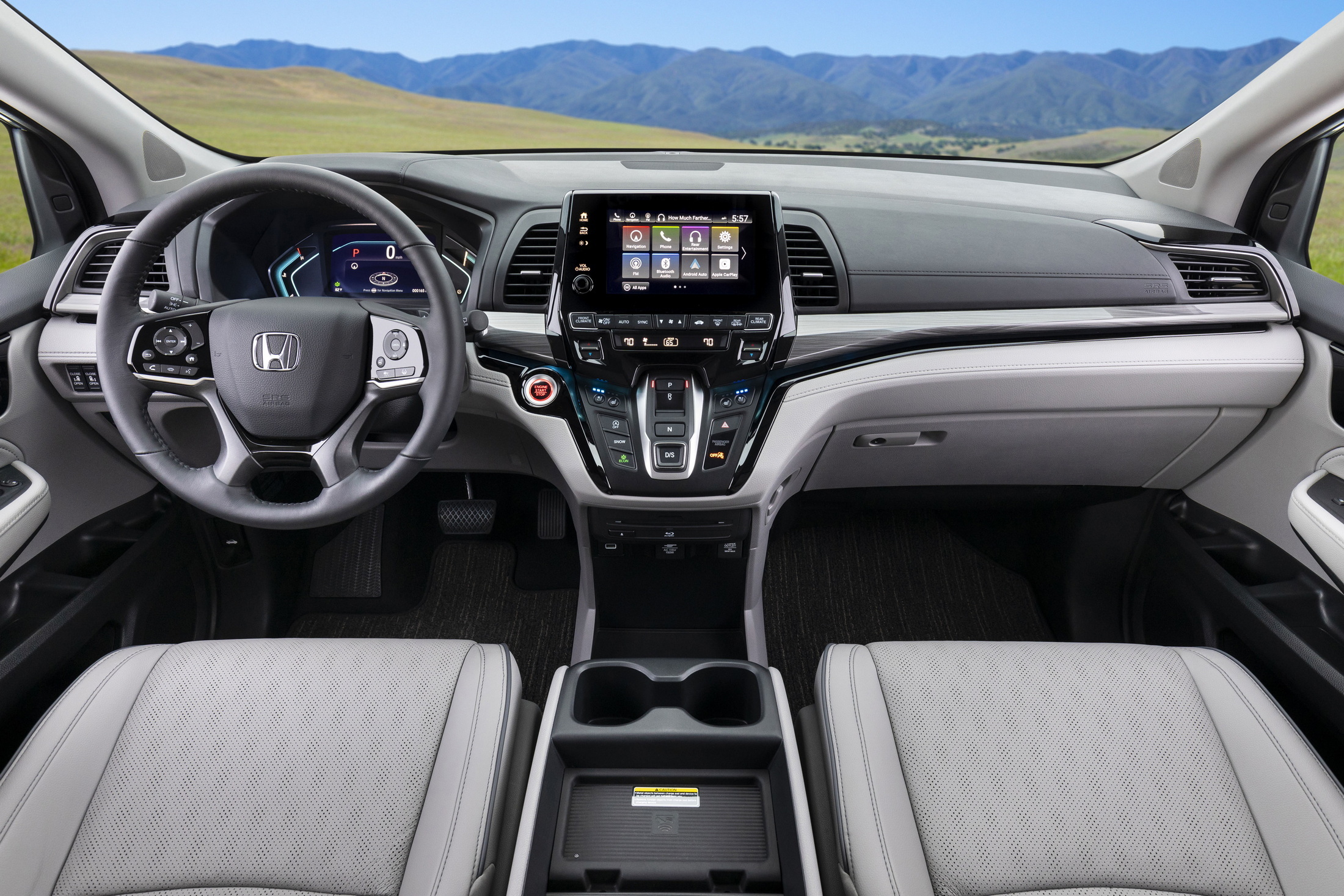
The problem is being blamed on a natural disaster at a tier-2 supplier manufacturing plant, which caused the tier-1 supplier to temporarily change the base material in the printed circuit board. This material wasn’t “sufficiently verified for its intended use” and could allow additional strain to the printed circuit board, leading to cracking.
This is an expansion of an earlier recall that was conducted in 2024 and involved 750,114 vehicles. However, it started to become clear in 2025 that additional units could be impacted, so the company opened an investigation.
Acura and Honda are aware of 228 warranty claims related to the issue, but no injuries or deaths. Dealers will replace the seat weight sensor with a non-defective part and notifications will go out in early July.