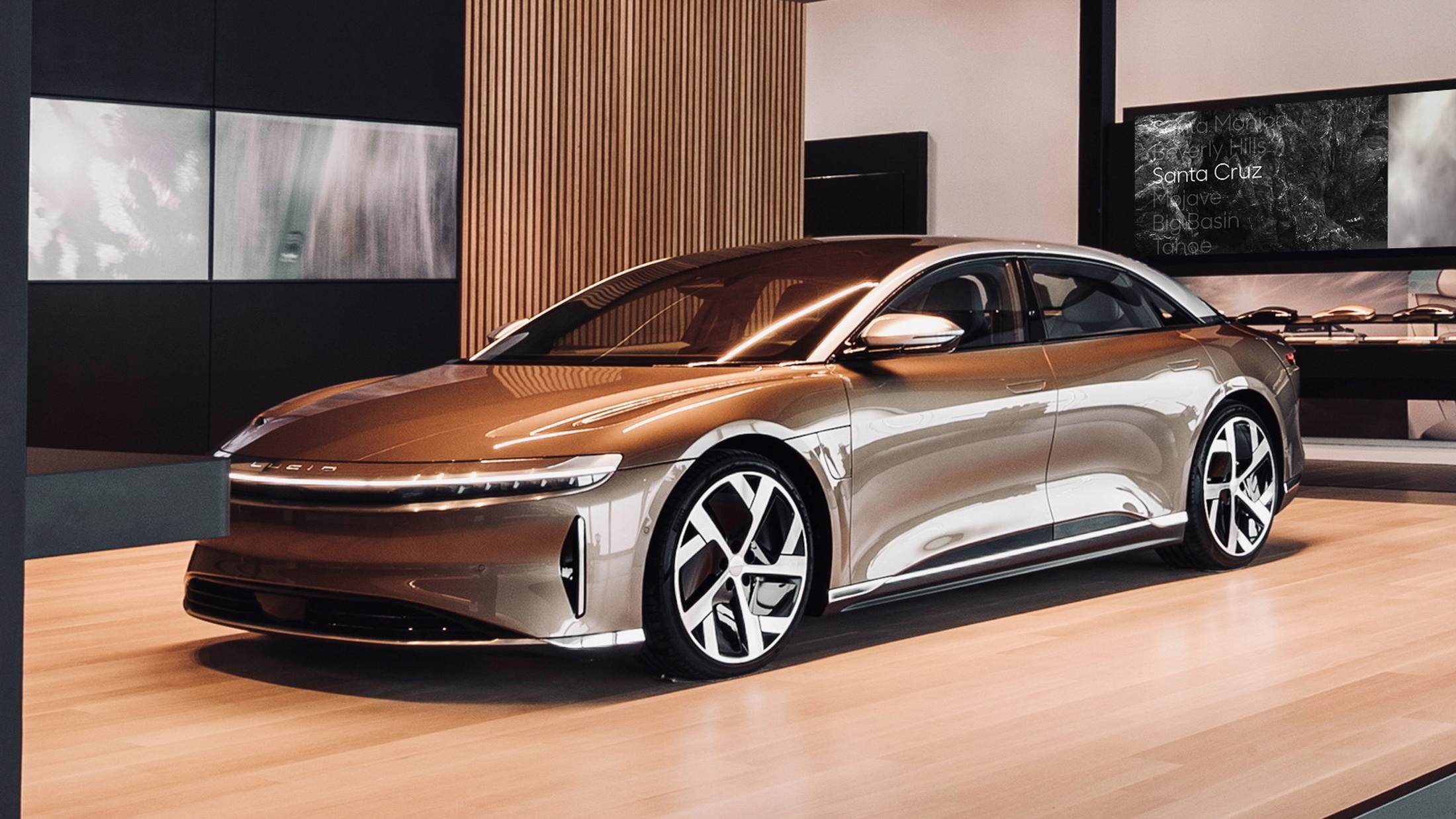
- Lucid is recalling a total of 2,039 vehicles built over 14 months.
- The Gen 4 inverter used in the Air Pure RWD can trigger a loss of power.
- The issues were first prevalent across Air models used by a fleet operator.
Lucid has been in the news for all the wrong reasons in recent weeks. Not only has it been forced to buy back an Air from popular YouTuber Jason Fenske due to a dizzying array of faults, but it was also recently forced to recall vehicles with half-shaft bolts that may not have been properly secured. It’s now been prompted to issue yet another recall, once again for the Air.
As with April’s recall, this one is also limited to the Air Pure RWD models. The electric car manufacturer says these vehicles have its Gen 4 inverters, which may experience signal interruptions and module failures due to damage from friction between internal connectors.
Read: Lucid’s Fix For Losing Drive Power Is A Notification That You’re About To Lose Drive Power
If the connectors sustain damage, it could cause a complete loss of power, as it’ll prevent the inverter from converting DC power into the AC power needed to operate the motor. This is obviously a safety issue, particularly if the failure occurs while driving.
A total of 2,039 vehicles are involved in this recall. All of them were manufactured between September 13, 2023, and December 12, 2024.
OTA Update Before Replacements
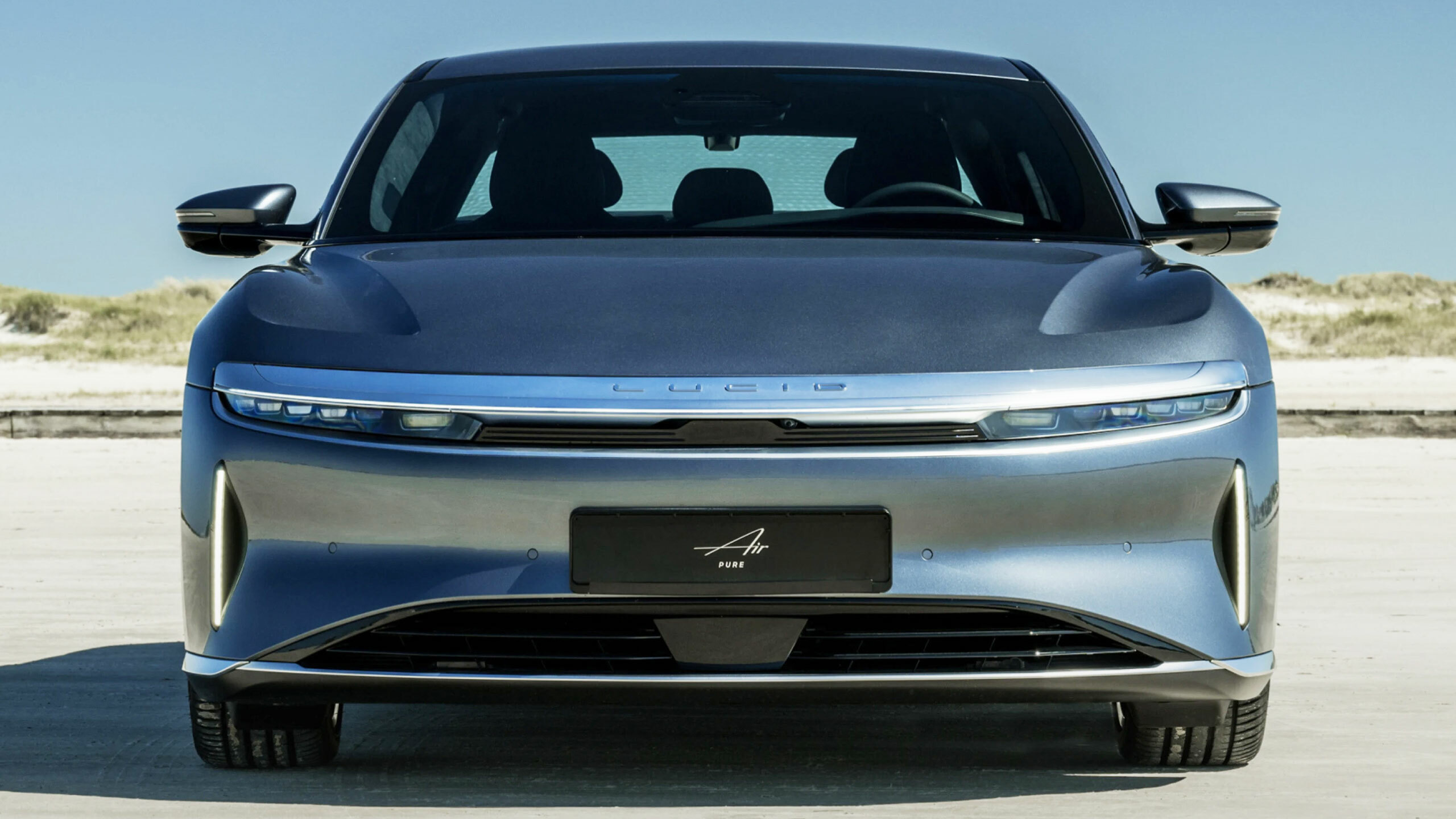
Lucid first noticed inverter failures in March 2025, in cars run by a US fleet operator. The early assumption was that fleet use explained it, since those vehicles pile on miles far quicker than privately owned ones. That theory did not hold. Failures soon turned up in non-fleet Air Pure RWD cars too, and by March 2026, the company had logged 55 of them.
Rather than immediately replacing all inverters, Lucid will roll out an over-the-air software update that detects potential failures and triggers a warning on the instrument cluster, which must be cleared by a dealer. Vehicles that receive this warning will be eligible for inverter replacement. Owners of vehicles who don’t receive this warning won’t be eligible for a replacement.