










- Mercedes recalls thousands of sedans, SUVs, convertibles, coupes, and sports cars.
- Faulty software could briefly blank the instrument cluster display on 144,000 vehicles.
- The fix is a simple electronic update, but it’s still going to mean a dealer visit for owners.
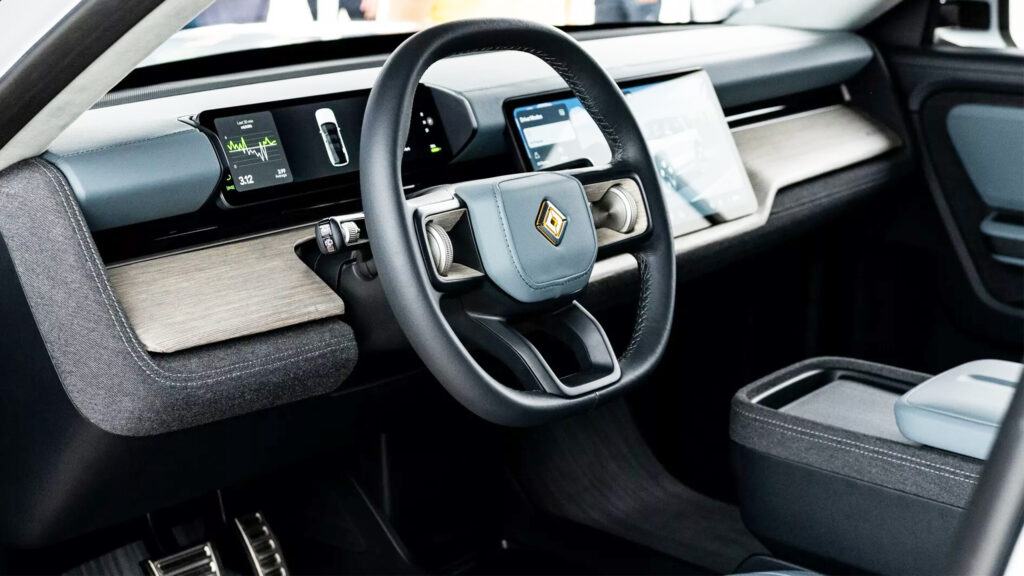
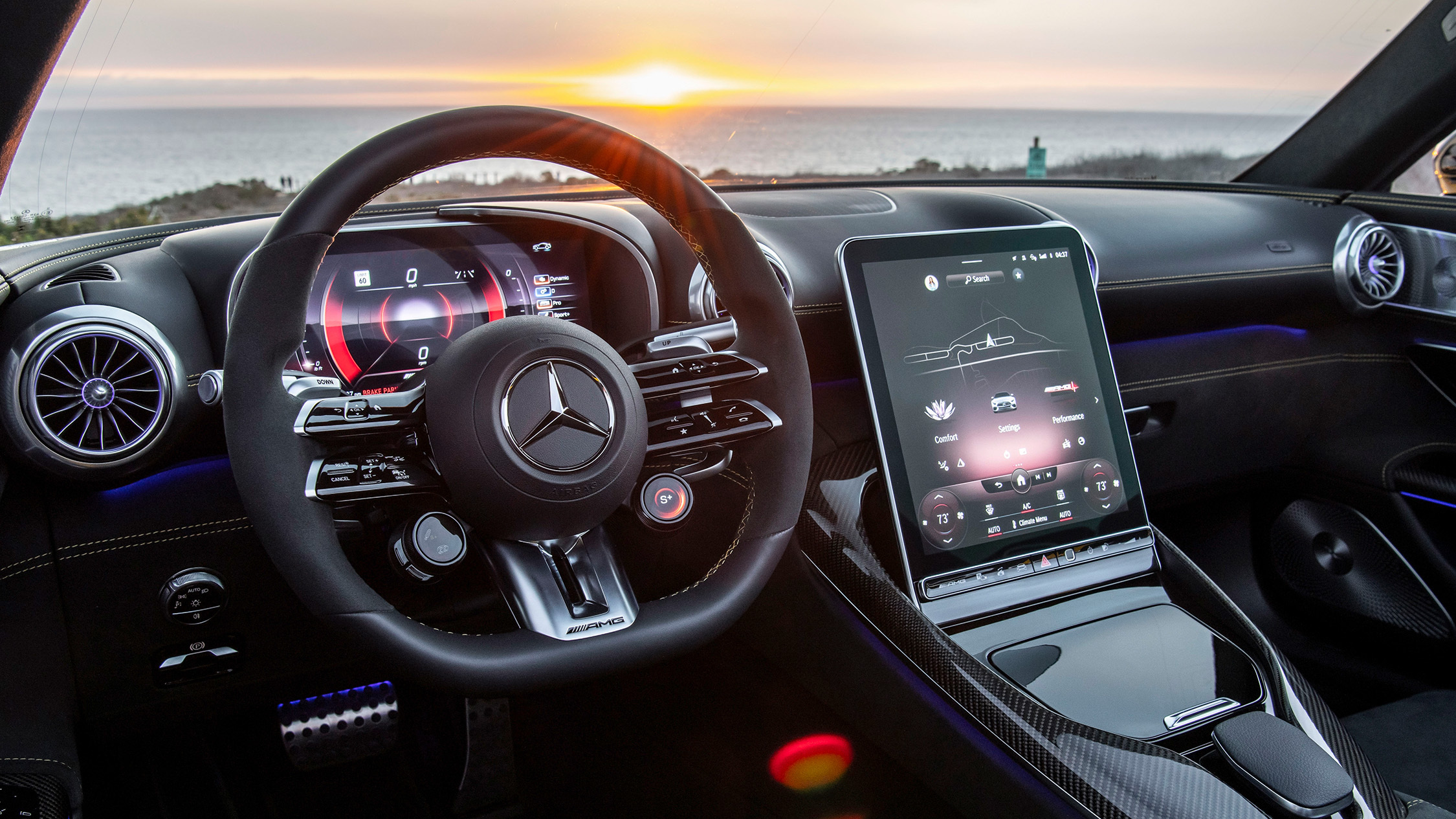
Modern digital dashboards can show everything from lap timers to augmented navigation graphics, but there’s one less welcome display possibility you won’t find in a car with an old-school analog cluster, and that’s no display at all. Unfortunately, for more than 144,000 Mercedes owners, that’s a real risk, and has prompted a big recall.
And this isn’t some isolated issue affecting one niche AMG special with a trick dashboard. The recall stretches across a huge portion of Mercedes’ lineup, including C-Class sedans, E-Class models, CLE coupes and convertibles, GLC SUVs, SL roadsters, AMG GTs, and various AMG performance versions. Basically, if Mercedes sold it with a giant digital display for the 205-26 model years, there’s a decent chance it might be involved.
Related: We Need To Talk About The Screen Overload In Cars. How Do You Feel About It?
According to NHTSA documents, the problem originates from software within the infotainment control unit. Under certain conditions, the system can trigger repeated resets as part of an intended fallback protocol. During those resets, the instrument cluster may temporarily stop displaying important information, including speed and warning indicators.
That’s not exactly the kind of blackout drivers want at 75 mph (120 kmh) when cops are on the prowl, or when they haven’t filled up with gas for a while and aren’t sure how much is left in the tank.
Mercedes says the software behavior was originally designed to improve system stability, though clearly things haven’t gone entirely to plan. The company reportedly began rolling out revised software back in 2025, initially handling the issue more quietly through software campaigns and over-the-air updates.
No Option But To Recall
But after discussions with regulators and growing complaint numbers, Mercedes eventually converted the remaining campaign into a formal safety recall. The automaker says it has received numerous field reports and warranty claims tied to the issue, though thankfully, no crashes or injuries have been linked to it so far.
About 62 percent of affected vehicles had already received updated software remotely before the recall became official. They’re the lucky ones. The remaining cars, however, apparently can’t be fixed over the air and will need dealer visits instead.
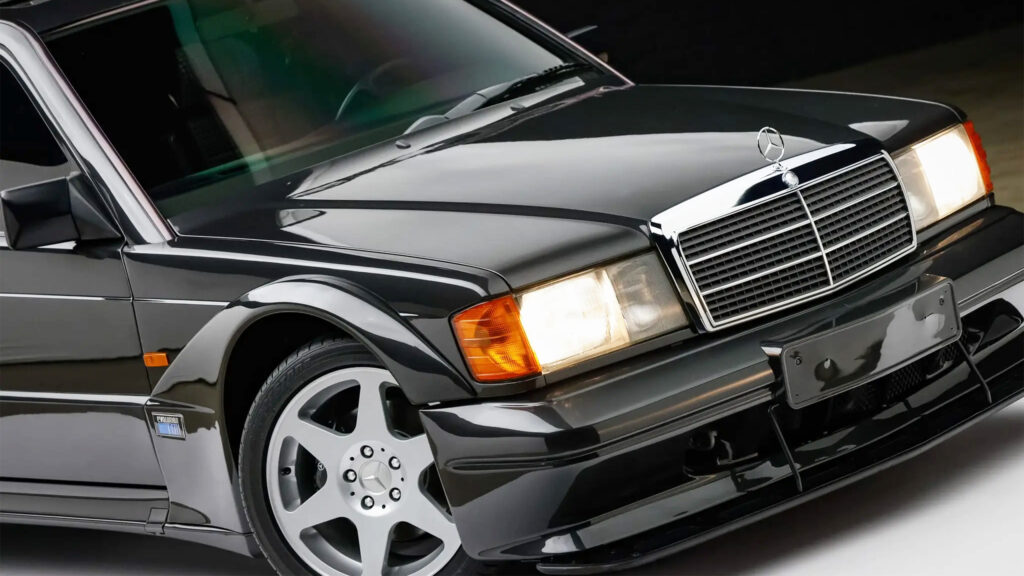
The biggest chunk of affected vehicles comes from the GLC range, though the recall also includes lower-volume AMG and Maybach cars. You won’t be surprised to learn that W123 and 190E owners aren’t worried about getting a letter.