









- One Tiguan owner says she suffered second-degree burns from the seats.
- The owner’s manual includes warnings about the dangers of heated seats.
- While certain parts of the lawsuit have been dismissed, the case is going to trial.
Driving a car with heated seats in the winter is one of life’s great pleasures, but for a woman in a 2023 VW Tiguan, the SUV’s seat heating function allegedly left her with painful burns. She’s sued the German automaker, and the case is heading to trial.
Emily LaPrade says she was riding in the passenger seat of the Tiguan she owned with her husband on September 3, 2023. According to the lawsuit, the seat heater was set to the highest of three settings for roughly 20 to 30 minutes before she lowered it to the middle setting for another hour.
Review: We Drove The 2025 VW Tiguan And It’s Not What You Expect, But It’s What You Need
After returning home, LaPrade says she found a blister that she alleges was caused by the heated seat. She has reportedly been paralyzed below the hips since a car crash in 2014 and claims she can only feel “tingling” from her T10 vertebra to her hips.
The Owners Were Warned
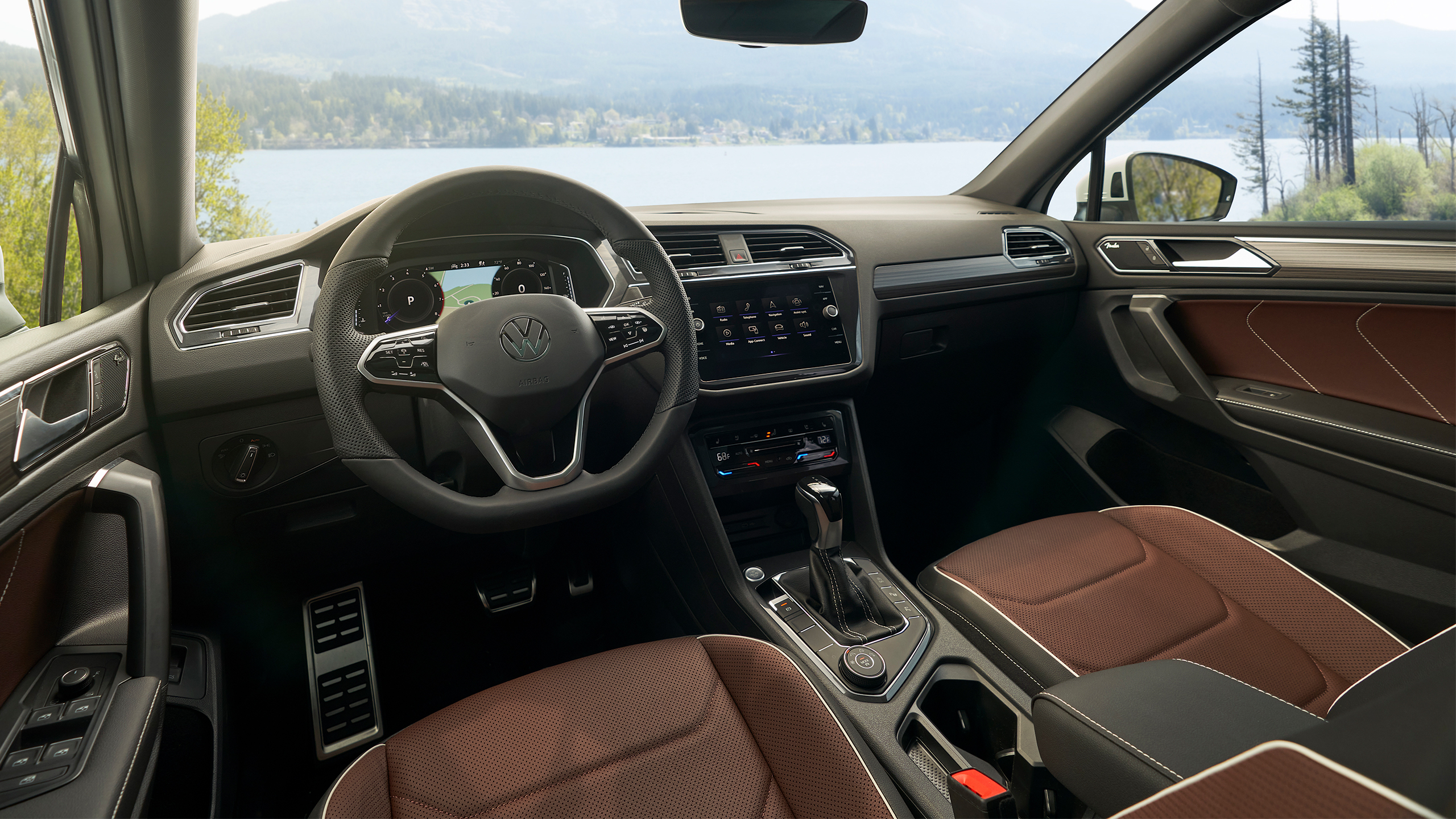
In the lawsuit, LaPrade argued that VW had failed to warn occupants about the potential dangers of the heated seats and had not provided adequate instructions for how to use them. However, the judge reportedly threw out these claims after it was noted that the Tiguan’s owner’s manual states the function should not be enabled if “the seat is occupied by a person with a limited perception of pain or temperature.”
A separate warning message also appears in the manual, clearly stating that people with reduced sensitivity to pain or temperature could sustain “burns on the back, buttocks, and legs when using the seat heating.” LaPrade and her husband acknowledged that they didn’t read the owner’s manual.
The lawsuit separately alleges that the heated seat function was designed defectively and runs too hot, leaving the plaintiff with second-degree burns. The judge ruled that this claim can proceed to trial after the plaintiff’s expert witness suggested the system can get too hot.