


- Ford recalled 79,579 SUVs over driver seats that can unexpectedly recline.
- Issue can occur during remote unlock, remote start, or memory seat activation.
- The recall pushes the company’s 2026 total above 13.5 million recalled vehicles.
Ford’s recall tally just keeps climbing. The automaker has now recalled 13,518,991 vehicles in the United States during 2026, spread across 61 campaigns through July 28. For perspective, the entire U.S. industry has logged 226 recalls covering 26,740,225 vehicles over the same stretch, which means Ford alone is responsible for more than half the cars pulled back nationwide.
Its latest campaign is just plain odd. Imagine a situation where your rear passengers are trapped in the car because the front seats reclined, limiting their movement. That’s the risk to almost 80,000 SUVs, and while no injuries have been reported, the potential consequences were serious enough to warrant another safety campaign.
Which Models Are Affected
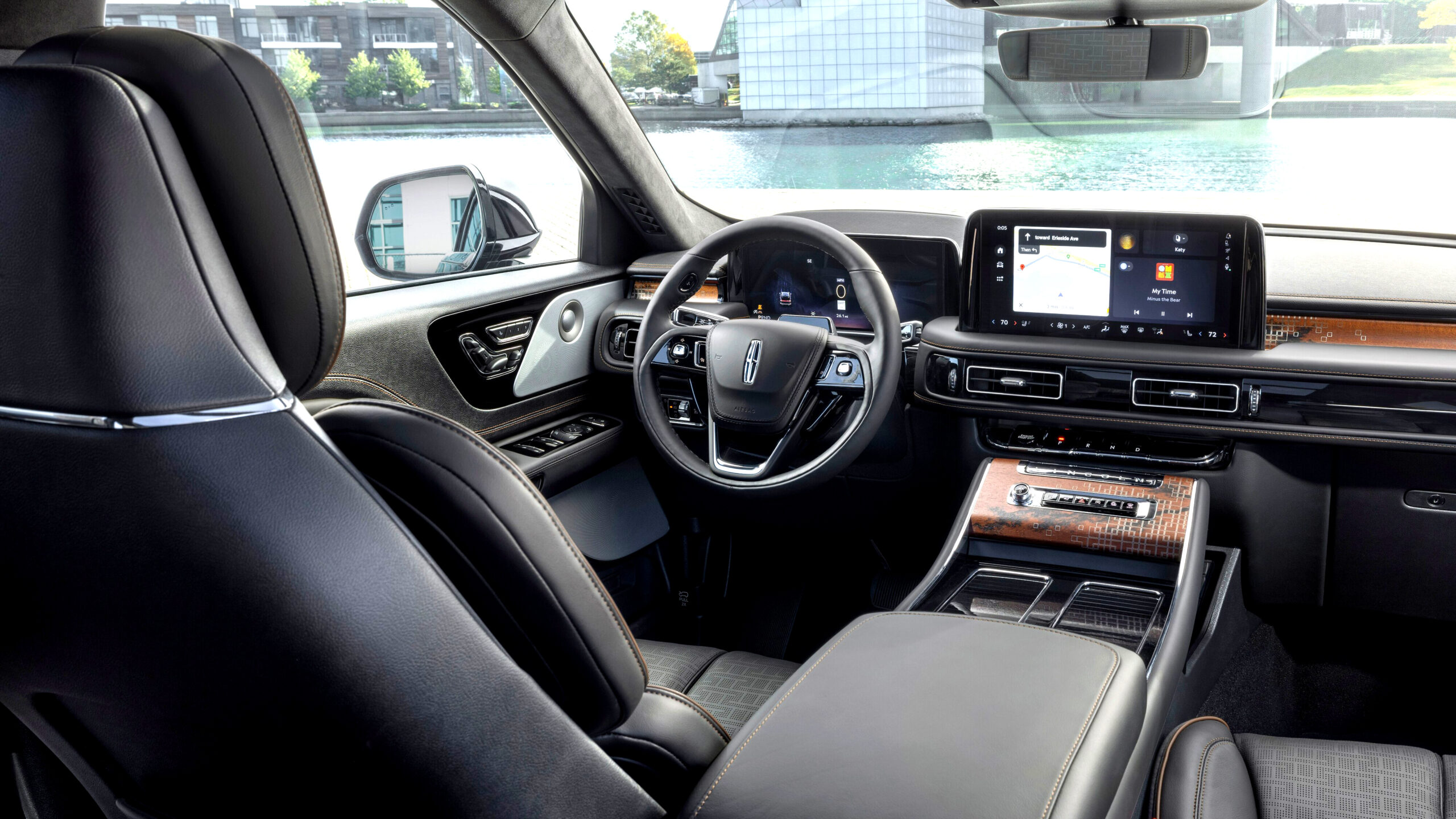
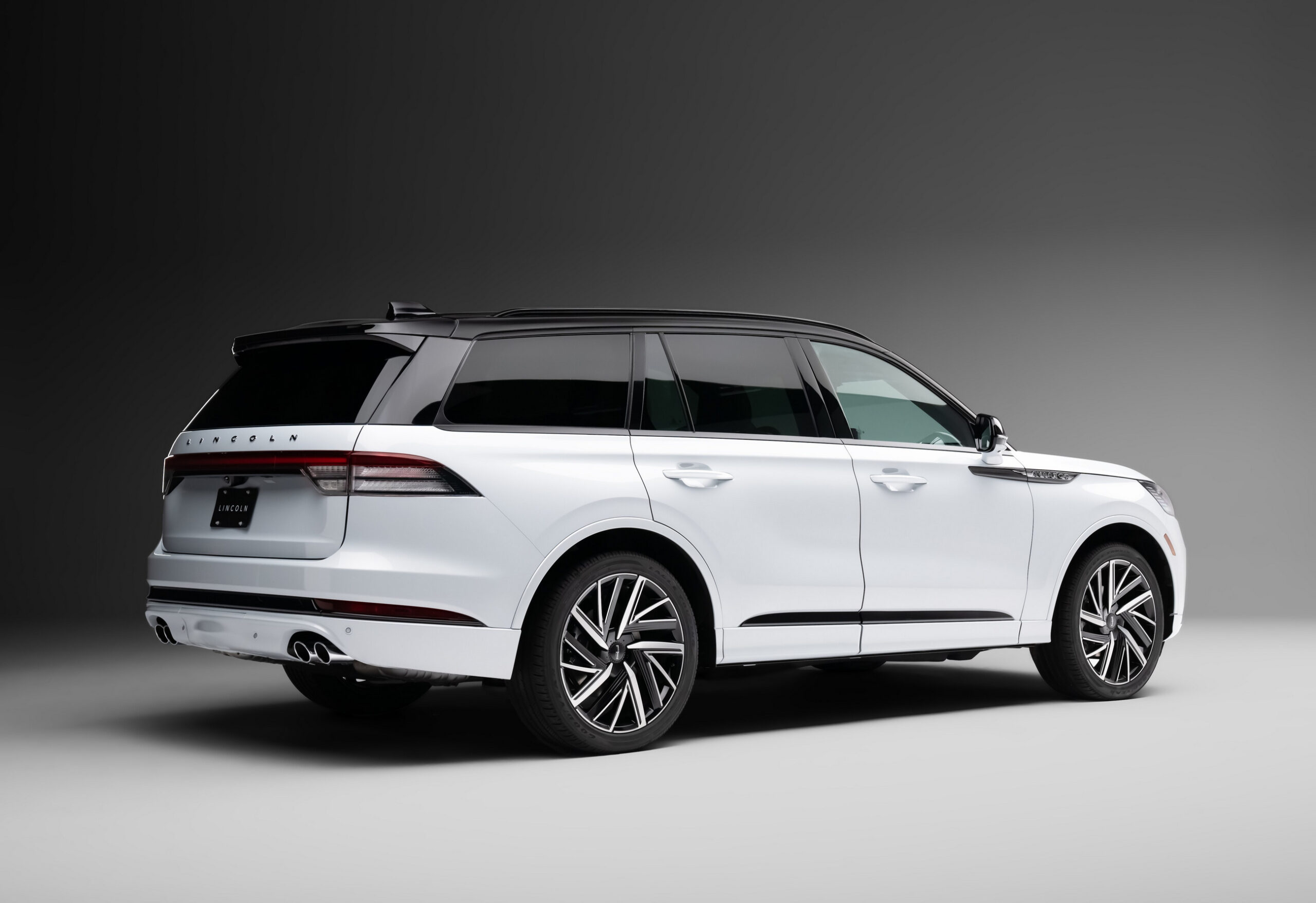
The recall covers exactly 79,579 vehicles, among them 64,409 examples of the 2026-2027 Ford Explorer and 15,170 of the 2026-2027 Lincoln Aviator, all built between November 24, 2025, and June 27, 2026. Ford says every affected vehicle came with a particular driver-seat recline motor that went into production during that window.
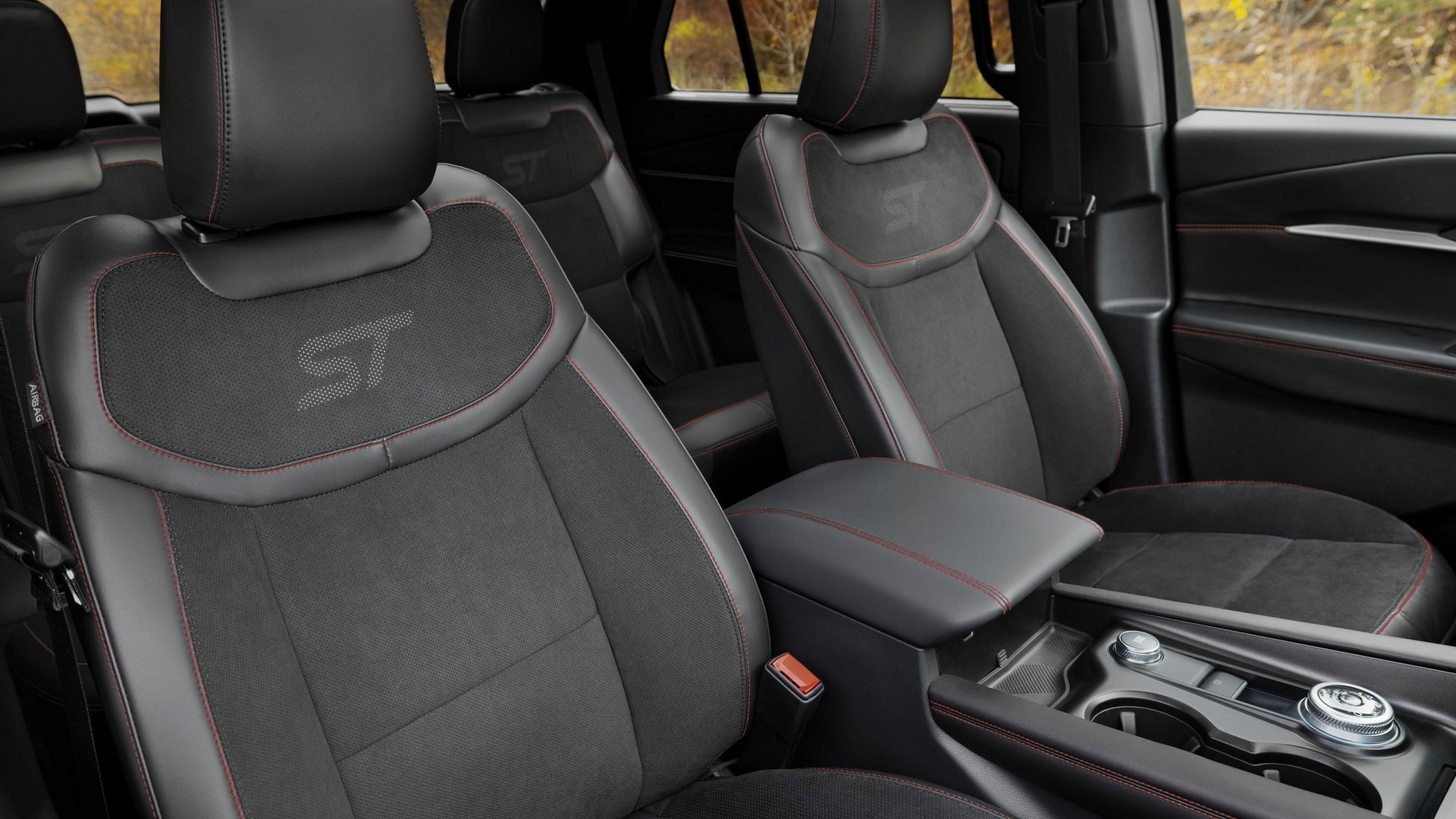
The problem isn’t that the seat suddenly moves while you’re driving. Instead, Ford says the driver’s seat can begin reclining without anyone in the vehicle after the memory seat function is triggered. That can happen when owners remotely unlock the doors, remote start the SUV, walk up with the key fob in their pocket, or recall one of the saved memory seating positions.
Read: Over 66,000 Ford Hybrids Recalled To Fix A Recall
According to the automaker, the issue stems from the recline motor incorrectly interpreting the seat’s position during a memory recall event. If the seat continues moving rearward, it may contact someone sitting in the second row. Because obstacle detection and bounce-back may not function as intended under these circumstances, Ford says the condition could create an impingement or entrapment risk and increase the chance of injury.
133 Reports, No Injuries
Ford’s investigation began after reports of Explorer and Aviator seats fully reclining without driver input when the vehicles were unlocked. Engineers eventually traced the issue to a new seat recline motor supplier introduced in late 2025. The company determined the condition only affects Explorers and Aviators equipped with that specific motor and control strategy. As of June 26, Ford had received 133 reports related to the condition but said it was not aware of any crashes or injuries.
At the moment, Ford is still developing a fix. Owners will receive a software update or replacement components once a remedy has been finalized, but the company has not yet announced when notifications will begin.