


- Every heavy-duty pickup tested earned marginal or poor vehicle-to-vehicle crash prevention ratings.
- Some trucks lost sight of child-sized pedestrians as they approached.
- Mercedes, Rivian, and Chevrolet’s BrightDrop vans delivered the strongest individual results.
It goes without saying that modern trucks are bigger, more powerful, and more advanced than ever before. Sadly, that doesn’t actually make them any better at avoiding crashes. New testing from the IIHS reveals just how much some of America’s most popular trucks and cargo vans struggle to detect pedestrians and other vehicles. If that wasn’t bad enough, additional testing indicates that drivers can easily lose sight of kids right in front of them. In other words, physics remains undefeated.
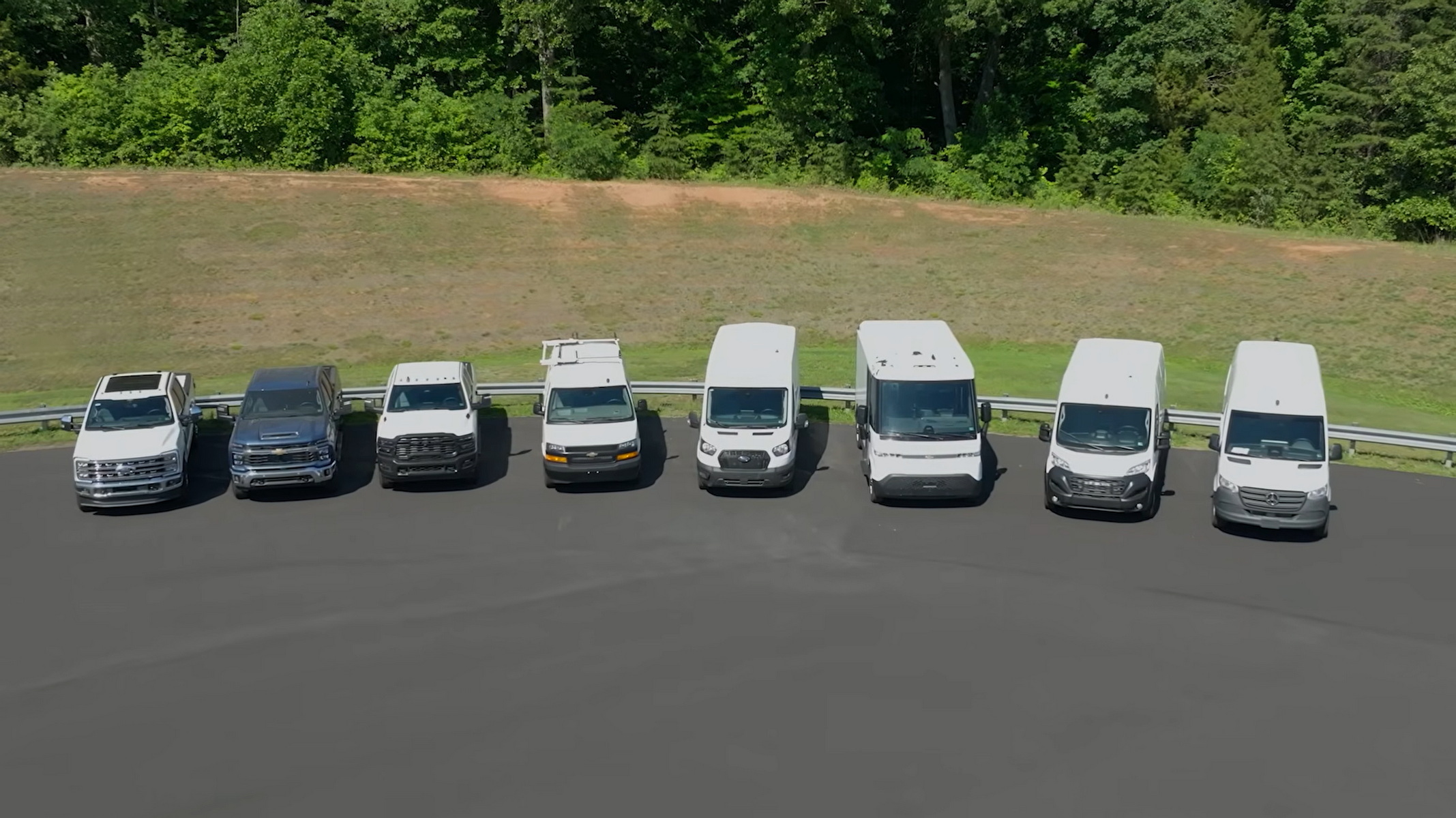
The new IIHS study examined 11 commercial vehicles, including four Class 3 pickups and seven cargo vans. None of the pickups earned a good or acceptable rating in the vehicle-to-vehicle crash prevention test. In fact, three received the lowest possible rating. Those three include the Chevrolet Silverado 3500HD, GMC Sierra 3500, and Ford F-350. The Ram 3500 performed slightly better, earning a marginal rating.
More: IIHS Blames Car Ads For Speeding, Ignores The Bigger Safety Problem
Notably, the tests weren’t limited to detecting just ordinary passenger cars. The IIHS also checked out how well the systems in these vehicles detected motorcycles and semi trailers. Motorcycles appear to be particularly problematic for these trucks. Most of them failed to warn their drivers or slow down during that part of testing. Some did reduce their speed but none produced warnings early enough to satisfy the IIHS.
This is, obviously, concerning considering how big, heavy, and dangerous these trucks can be. Class 3 pickups have gross vehicle weight ratings between 10,001 and 14,000 pounds (4,536–6,350 kg), meaning a collision can have particularly serious consequences for other road users. “These results are a wake-up call for commercial vehicle makers,” said IIHS President David Harkey.
Probably the most concerning findings were part of the pedestrian crash prevention tests. The Ford F-350 and Ram 3500 both earned acceptable ratings, while the Silverado 3500HD and Sierra 3500 received marginal scores. However, even the better-performing pickups still had some concerning shortcomings. In several scenarios, vehicles struggled more to detect a child-sized pedestrian during daylight than an adult pedestrian at night. IIHS believes the problem could be related to the combination of tall front ends and cameras mounted near the rearview mirror.
What’s worse is that in some scenarios, the trucks would recognize the kid but then lose track of them as they approached. In other words, the systems worked until the most critical moments. Nighttime performance wasn’t exactly stellar either. Some systems struggled to slow down for adults, particularly when using everyday low-beam headlights. Thankfully, not every vehicle in the test was as worrisome as the trucks.
Commercial Vans Are Better But Not Perfect
The Mercedes-Benz Sprinter 2500 was the only vehicle to achieve a good rating for vehicle-to-vehicle crash prevention. The Chevy Brightdrop 400 and Rivian RCV-Delivery 500 both managed good pedestrian crash prevention ratings. On the flip side, the Chevrolet Express 2500 and GMC Savana 2500 earned poor ratings in both tests. Perhaps unsurprisingly given their age, neither offers automatic emergency braking. That said, forward collision warning is optional on each.
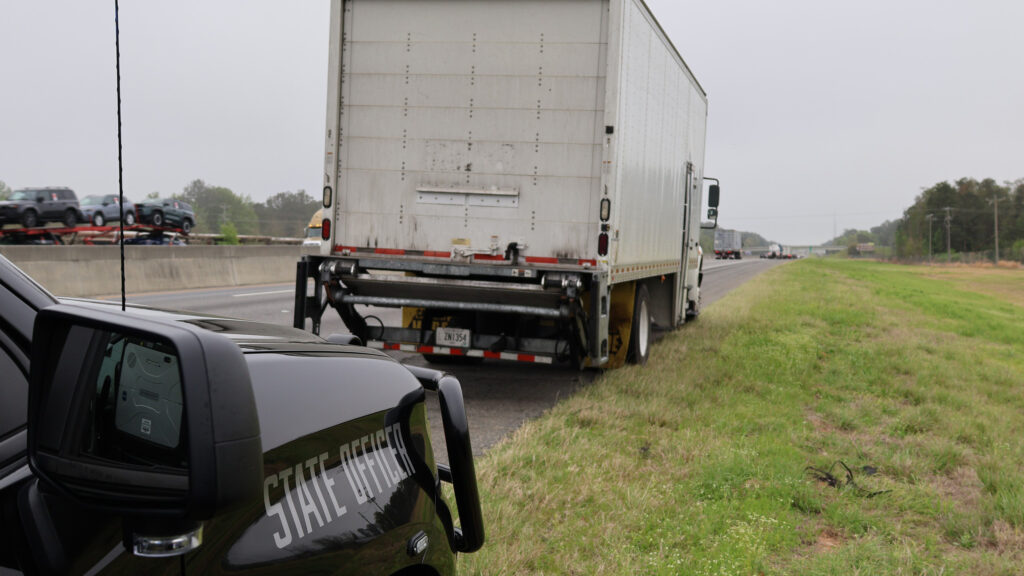
The findings here also spotlight a regulatory gap. Plenty of commercial vehicles aren’t subject to the same safety requirements as passenger cars. That goes as far as to include certain airbag requirements. According to IIHS, crashes involving heavy- or medium-duty vehicles and light vans killed 6,215 people in 2024, representing 16 percent of all U.S. traffic fatalities. For now, the results seem to indicate that both big trucks and vans have plenty of room to improve where safety is concerned.