











- The Blue Oval will re-focus on its existing technology and skunkworks team.
- Ford was going to adopt a zonal system to make software updates easier.
- Despite the change, it’s committed to improved connected vehicle experiences.
Ford has been working on an advanced next-generation electrical architecture for its future models aimed at streamlining software functions, cutting costs, and allowing it to better compete with EV leaders like Tesla. However, much like VW’s Cariad subsidiary, Ford’s program has encountered many issues and, according to three sources familiar with the matter who spoke to Reuters, it has now been abruptly shut down.
Read: Flip-Flopping Ford Delays Electric Truck And Axes 3-Row EV Plans, Will Build Hybrids Instead
The internal name for this now-defunct system was FNV4. It was spearheaded by Doug Field, a former Apple and Tesla executive who joined Ford with much fanfare and, last year, took home a tidy $15.5 million for his efforts. Despite the impressive pedigree behind it, FNV4 reportedly became a financial burden. Ballooning development costs forced Ford to cancel the project altogether, though some elements will be repurposed in the company’s current software systems.
The Reuters report notes that the FNV4 program contributed to significant losses across Ford’s EV and software divisions at $4.7 billion in 2023, followed by $5 billion in 2024.
Software Isn’t Optional Anymore
In the modern era where electrification seems to be the all-encompassing future and consumers want new vehicles jam-packed with tech, it’s become increasingly important for brands to make their software systems as integrated and advanced as possible. However, since companies like Ford use hundreds of electronic parts from different suppliers, they often have components that cannot communicate with each other. And that makes it more difficult to roll out OTA updates.
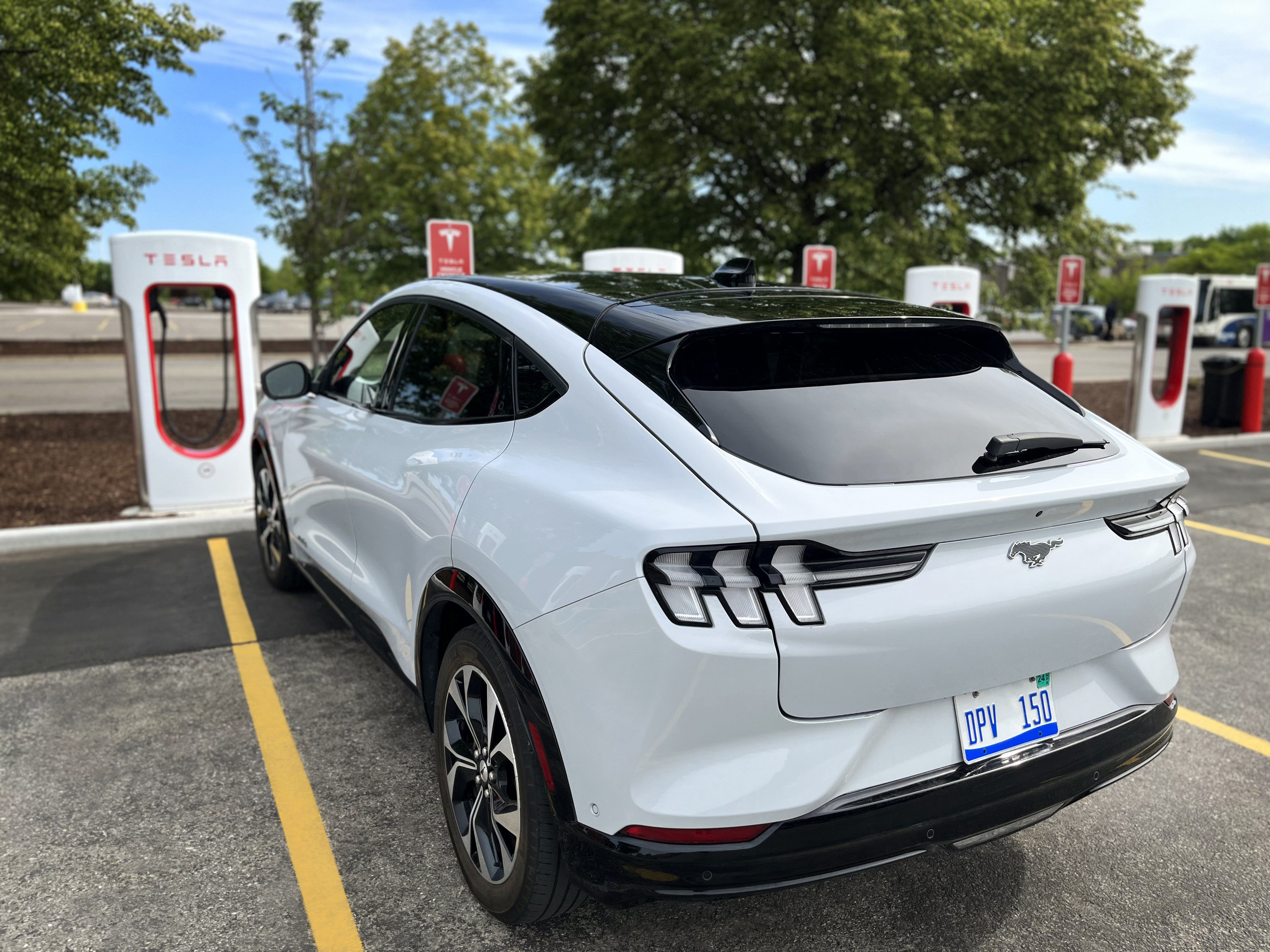
Ford has been planning to adopt a ‘zonal’ system for its next-gen system. It consists of software ‘brains’ for certain parts of the vehicle that would communicate with a central ‘brain’, Reuters reports. This would have reduced the need for long and complex wiring harnesses and would have helped speed up over-the-air updates.
A Shift in Strategy, But Not a Full Retreat
In a video shared internally with employees who worked on FNV4, Ford said it would be shifting focus back to its existing electrical architecture, rather than pursuing the more ambitious redesign. That said, this isn’t a full retreat. A small advanced engineering team, essentially a skunkworks group, is still quietly working on what could eventually become a more refined version of the same concept.
In a public statement, Ford reaffirmed its commitment to staying competitive on vehicle tech: “We are committed to delivering fully connected vehicle experiences across our entire lineup, regardless of powertrain, while many others in the industry are bringing the most advanced tech only to electric vehicles.”
While the grand plan may have stumbled, Ford claims that it isn’t giving up on the idea of smarter, more connected vehicles. It’s just learning the hard way that building them isn’t as simple as hiring a few tech world veterans and hoping everything works out.
Update: Ford Responds
Following the Reuters report, Ford reached out to clarify. The company says the project wasn’t “killed,” but rather merged, a detail mentioned in both Reuters’ and our own reporting. Ford also emphasized that the zonal architecture is still very much in play.
“We simply made a decision to merge two of our electrical architectures into a common electrical architecture for use across many more vehicles, across all powertrain types,” a Ford spokesperson told us. “This is to enable the connected digital experiences that have been so well received in products like the F-150, Mustang Mach-E and Lincoln Nautilus and Navigator. Now, future EVs and vehicles like Bronco, Mustang, Super Duty, Ranger and Transit will have those capabilities too.”
“In parallel, our next generation advanced electric vehicle platform (known as Skunkworks project) has given us the freedom to reinvent from the ground up and create a next-gen zonal architecture, with massive hardware simplification and a nimble, in-house software platform suited for our future affordable electric vehicles.“
