- Under new EU legislation, PHEVs with larger battery packs benefit from lowered emissions.
- Toyota notes that adding a large battery pack to a PHEV ups the complexity and cost.
- The automaker believes having a PHEV with 62 miles of electric range is a “good balance.”
For many, a plug-in hybrid is the best of both worlds. They combine the driving range and ease of refueling of a traditional ICE, but also offer all-electric driving modes perfect for short trips. However, some car manufacturers have started to enlarge the batteries in their PHEVs to boost the electric driving range to upwards of 124 miles (200 km). Toyota and Hyundai aren’t interested in following suit.
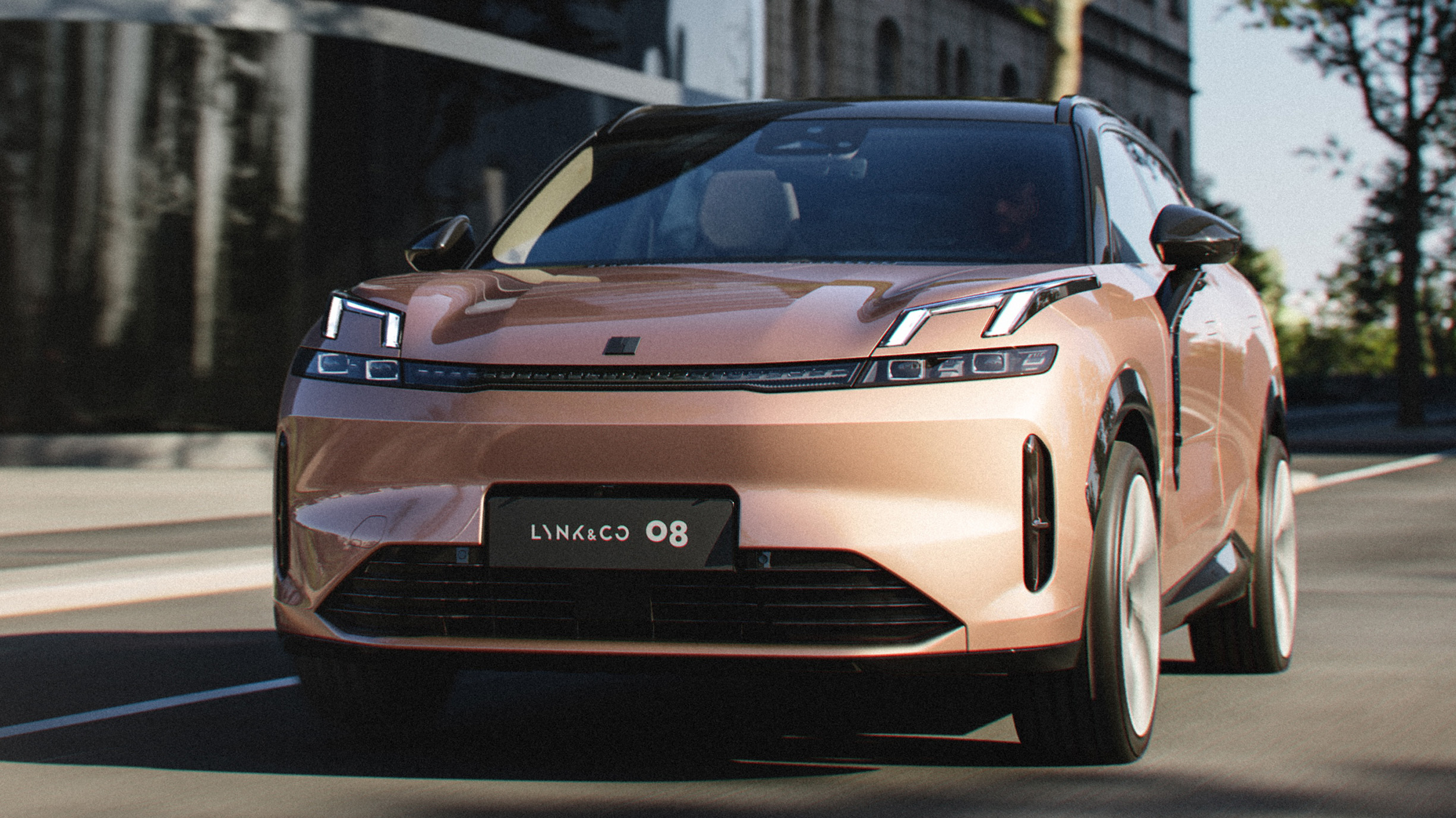
As of January 1 this year, changes in the way average CO2 emissions are measured in the European Union favor PHEVs with larger batteries and longer electric driving ranges, lowering their WLTP emissions. Chinese brand Lynk & Co has made the most of this with its 08 PHEV, which boasts a 124-mile (200 km) EV driving range. Additionally, the new Audi Q3 has an electric driving range of 74 miles (119 km).
Read: This Chinese SUV Now Boasts Europe’s Longest Electric Range In A PHEV
While recently speaking about the push to grow the electric range of PHEVs, Toyota Europe’s head of product and marketing management, Andrea Carlucci, said a 62-mile (100 km) tipping point is a “good balance.”
“To install bigger batteries in a vehicle that is not a battery-electric vehicle is more costly because you put in more components.” The current C-HR has an electric range of 41 miles (66 km), whereas the RAV4 PHEV can drive for 62 miles (100 km) on electric power alone.
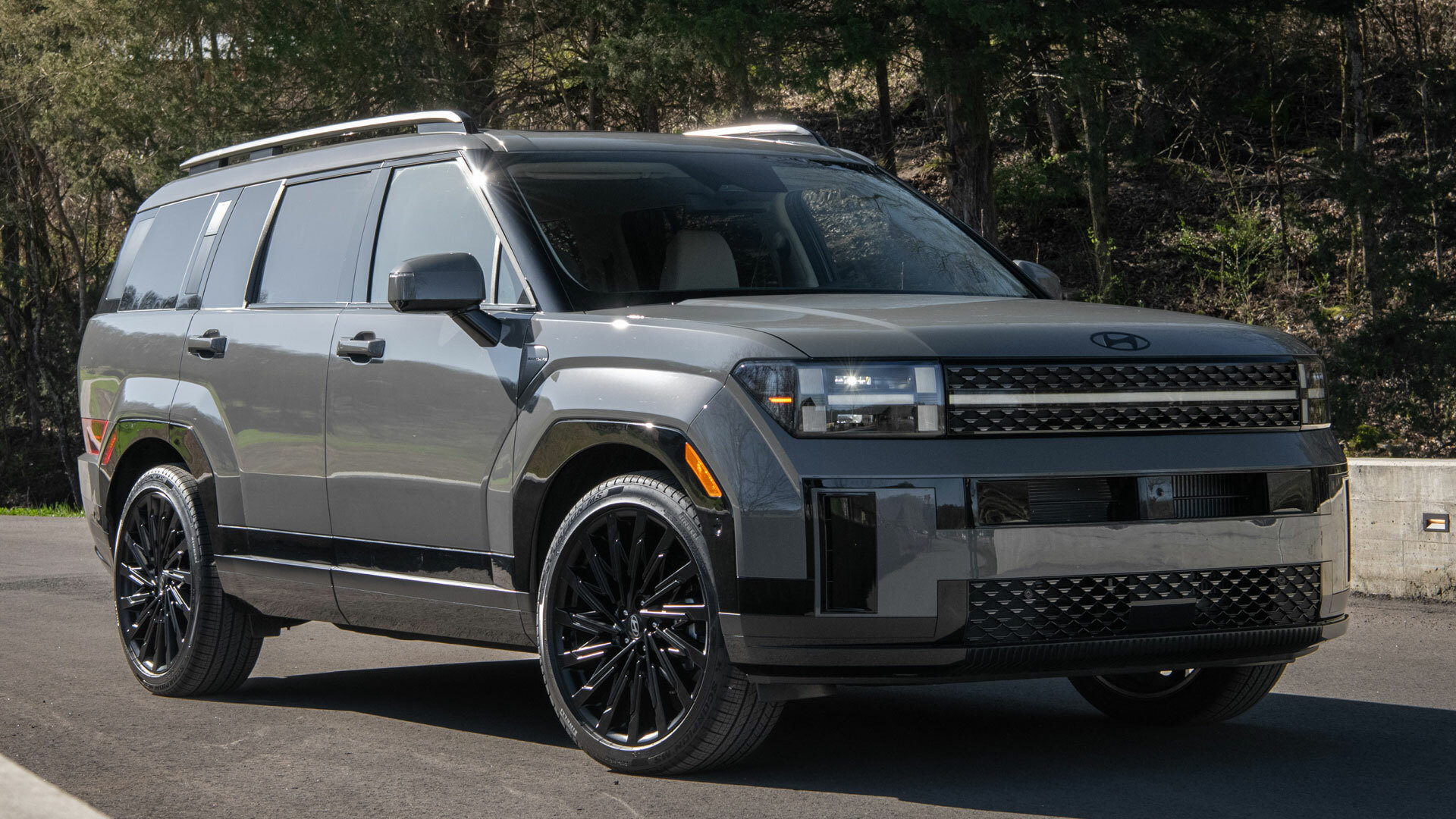
Hyundai has also acknowledged that there’s a limit to how sophisticated a PHEV can be without it becoming too expensive. Hyundai currently sells a plug-in hybrid version of the popular Santa Fe with 34 miles (55 km) of electric range. It is also working on extended-range EVs, but isn’t yet sure if they will be sold in Europe.
“PHEV and EREV are transition technologies, but trying to make them more sophisticated to make the transition [to EVs] longer and longer becomes complex and costly. Where do we stop?” Hyundai Europe chief executive Xavier Martinet told Auto News.
He added that while selling PHEVs with long electric driving ranges can help carmakers reduce average CO2 emissions, EU legislation is set to change again in 2028. “Two of three years from now, it would be even less interesting to have PHEVs,” Martinet said.