


- Connecticut will introduce new legal definitions for e-bikes starting in October 2025.
- Regulations classify e-bikes by power output and other key equipment-related features.
- Officials say the new rules aim to improve safety and address faster e-bike designs.
Electrification isn’t just for cars these days. Motorcycles are also available with battery power, and that same tech is trickling into bicycles as well. In fact, e-bikes, a quickly growing category, sidestep so many of the laws and regulations that apply to motorcycles and mopeds.
That’s exactly why Connecticut is about to enact new legal definitions that make some e-bikes ‘motor-driven vehicles’ and ‘motorcycles.’
Also: City Cracks Down On E-Bikes With Strict New Rules
As it stands, the vast majority of e-bikes on sale today have an internal speed limit of 20 or 28 mph, depending on their class. Some require users to pedal (pedal assist) while others have a throttle of some sort. A third group incorporates both pedal assist and a throttle. The issue is that some e-bikes are on the road with much higher speed capabilities.
Safety Concerns Spark Local Scrutiny
Westport Police Lt. Serenity Dobson told CT Insider that “These bikes come stock at 30 mph, but you can cut the controller, and so then they can go 60, 70 mph, and the kids know how to do this.” She and others are worried about youngsters using e-bikes like this in just about any setting, but they’re clearly very dangerous on roadways with cars and other traffic.
While her claims of everyday e-bikes being capable of such speeds without major modification are dubious, there’s no question that some high-end e-bikes are capable of those speeds right out of the box. Both scenarios pose a problem for a state like Connecticut, since it doesn’t have rules or regulations governing such forms of transportation.
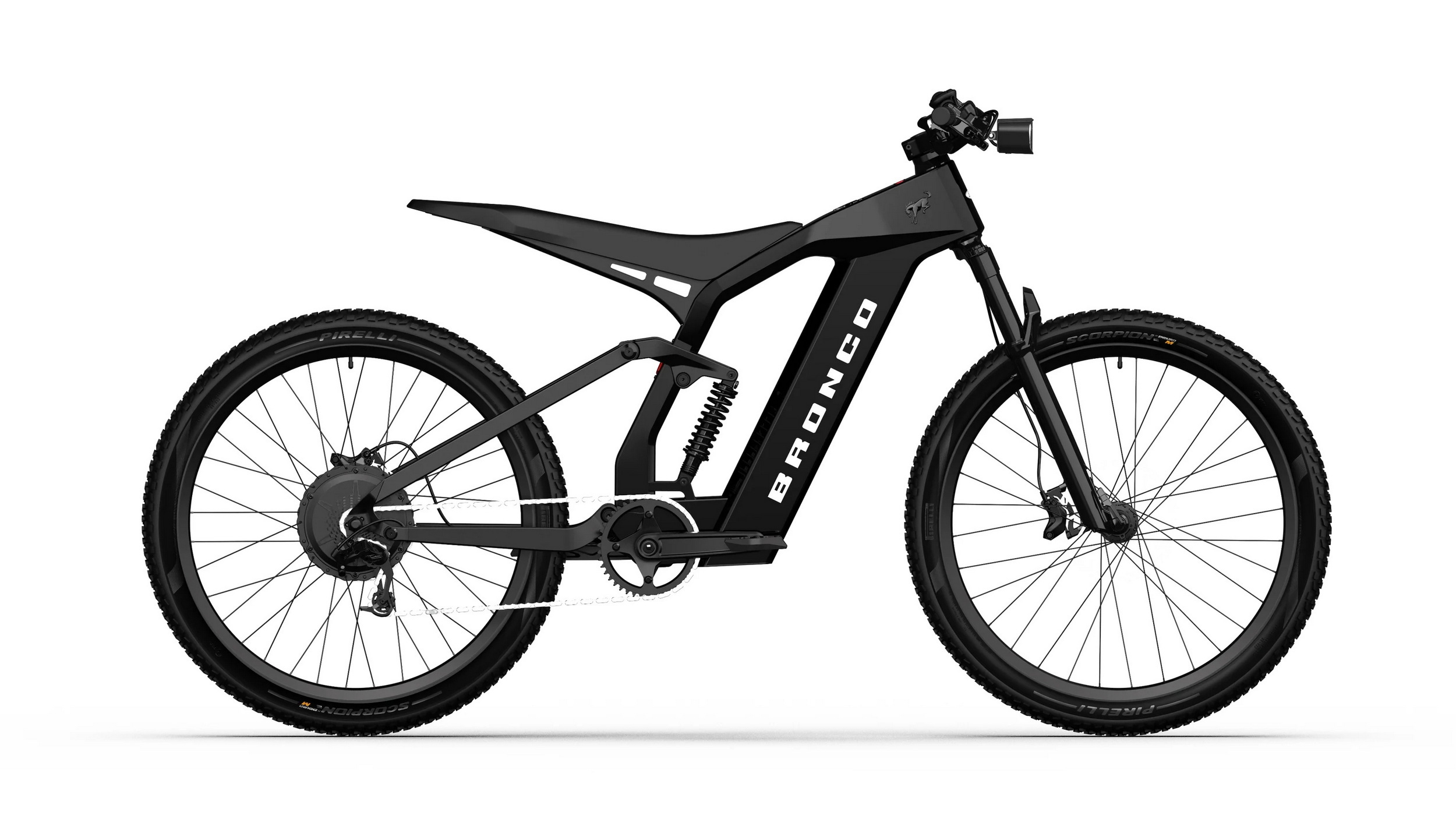
To that end, the state will define e-bikes into separate categories starting in October. Any e-bike that makes 750 watts of power or more and doesn’t have pedals will be considered a motor-driven cycle, and the rider will need a driver’s license.
E-bikes that make 3,500 watts will be legally viewed as a motor-driven vehicle. Those that go a step further and make north of 3,700 watts will be considered motorcycles and riders will need the correct license and insurance.
More: McLaren Unleashes World’s Most Powerful Trail-Legal eBike Ever
In other words, almost nobody will need to worry about these regulations unless. Most e-bikes fall well under 3,500 watts worth of power. Many that make up to 1,000 watts also have pedals, so even they wouldn’t fall under these regulations. As an example, the ones we’ve featured from McLaren, Ford, and Porsche here would both skirt the rules.