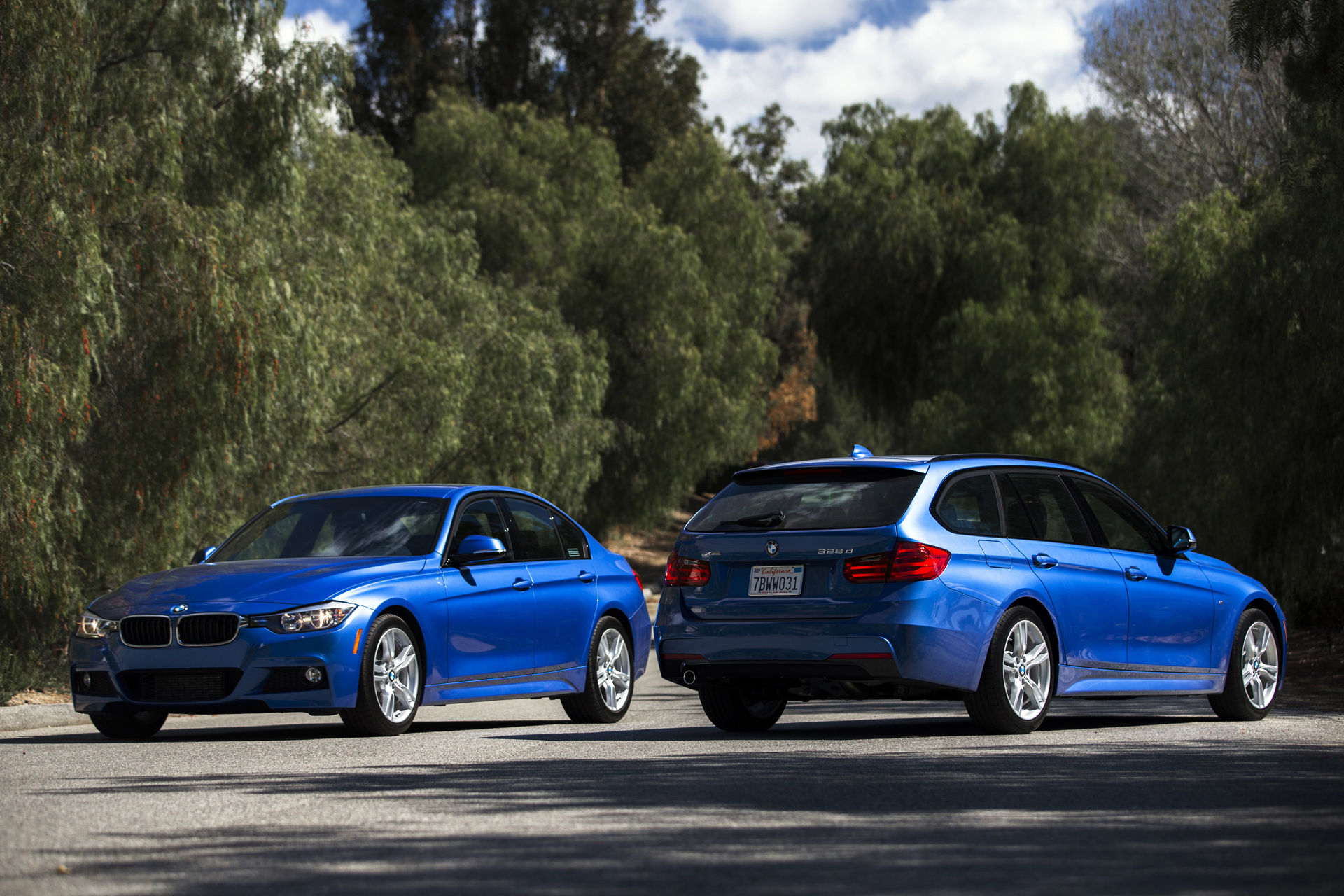
- Over 100 3-Series Sedan and Sport Wagon models are being recalled.
- Coolant may mix with diesel soot, creating a risk of fire under the hood.
- BMW says there are no reported injuries or accidents linked to the issue.
It’s been years since BMW tried its luck selling diesels in the U.S., but now the brand’s brief fling with compression ignition is back in the headlines, this time for all the wrong reasons,. More than 100 examples of the 2018 328d are being recalled for a potential fire risk.
The automaker says it’s aware of one case in which a 3-Series showed “indications of a thermal event,” and it has traced the problem to an exhaust gas recirculation (EGR) cooler supplied by a manufacturer in Korea.
What’s Causing The Fire Risk?
According to BMW, the EGR module installed in the affected 328d Sedan and Sport Wagon models includes an integrated cooler that can internally leak glycol coolant.
If this happens, the coolant can mix with normal diesel engine soot and sediment, potentially causing some particles to begin smoldering. Over time, this could cause the intake manifold to start melting and may trigger a fire.
Read: BMW’s Latest Recall Is Bad News For Toyota Owners, Especially If They Park In A Garage
In total, 112 vehicles are impacted by the recall in the United States. Of these, 23 are 328d Sportwagon models manufactured between September 7, 2018, and December 10, 2018, as well as 89 328d Sedan models built from September 6, 2018, to October 11, 2018.
Owners of impacted vehicles may see a warning symbol on the instrument cluster for a loss of engine coolant, an unpleasant odor from exhaust gases, smoke, or unusual noises from the engine, and a power reduction.
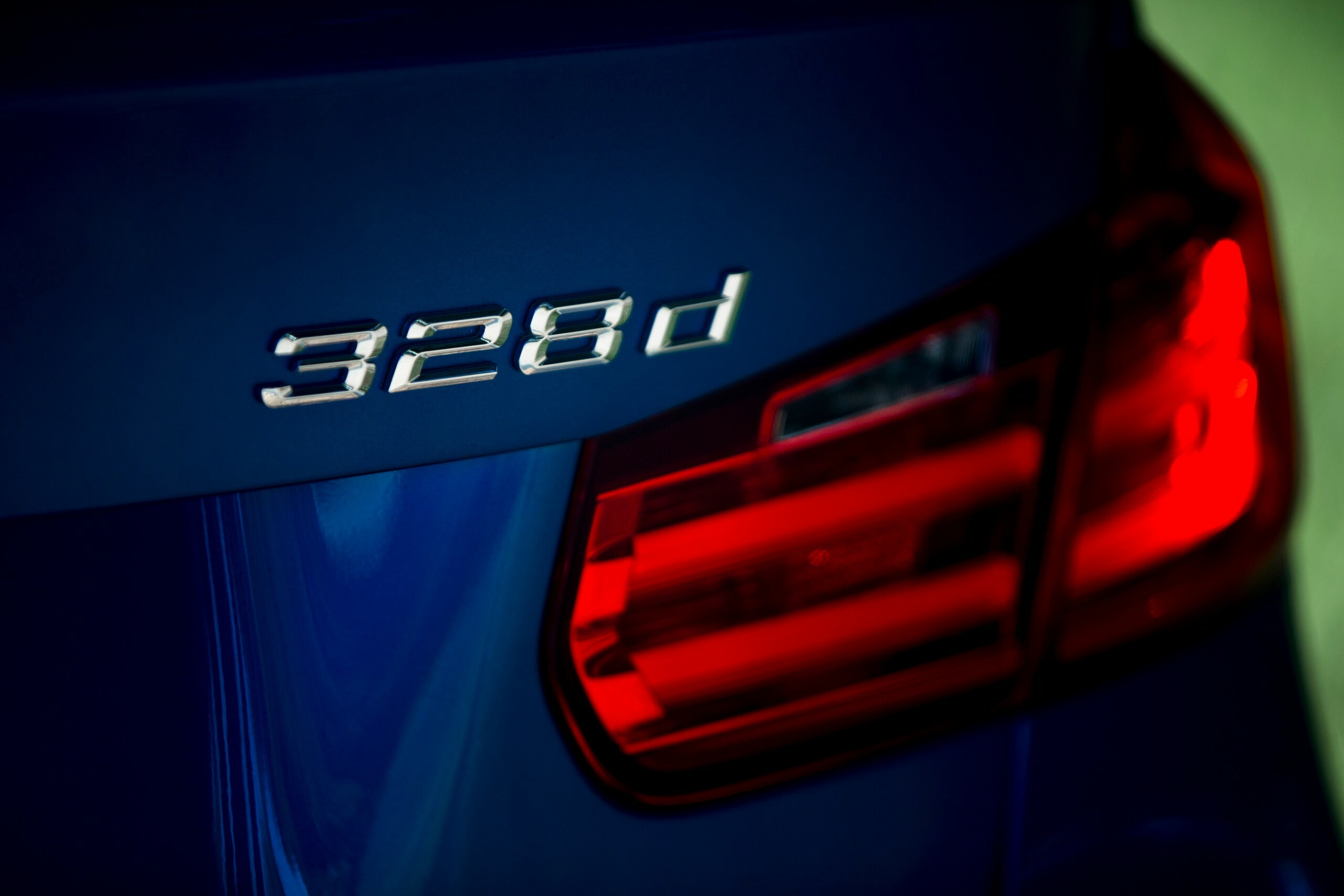
EGR Cooler Blamed For Fire
BMW reports that it was first alerted to the issue on July 30, following a fire involving a 2018 3-Series. The subsequent investigation pointed to the EGR cooler as the likely culprit.
Further analysis in September revealed that several affected vehicles had been missed in a previous recall campaign issued in November 2021. The company says it has no reports of accidents or injuries related to this issue.
Owners will begin receiving notification letters on December 5. Dealers are instructed to replace the EGR cooler and inspect the intake manifold for damage, replacing it if necessary. The EGR pipe connecting the cooler to the manifold will also be cleaned as part of the repair.