












- Cybertruck earns IIHS Top Safety Pick+ after structural updates.
- US crash testing focuses on occupants, not pedestrian safety.
- Tesla insiders doubt Cybertruck will reach Europe in numbers.
Whether you love it, loathe it, or are still on the fence about its angular stainless-steel silhouette, the Tesla Cybertruck just achieved another impressive feat. The Insurance Institute for Highway Safety just awarded it a Top Safety Pick+. The IIHS offers no higher praise, and that puts the Cybertruck in rarified air.
Understandably, Tesla is using the opportunity to dunk on some skeptics. Now, it’s time to see if the automaker can do the harder thing: beat more stringent testing in Europe for fans and pedestrians alike.
More: Cybertruck Nails Crash Tests Until The Lights Go Out
There’s no question that an IIHS Top Safety Pick+ award is a legitimate win for Tesla. The IIHS routinely, often yearly, makes its testing regimen harder and harder to pass. Importantly, the award-winning version of the Cybertruck is any example built after April of this year.
What Earned It the Gold?
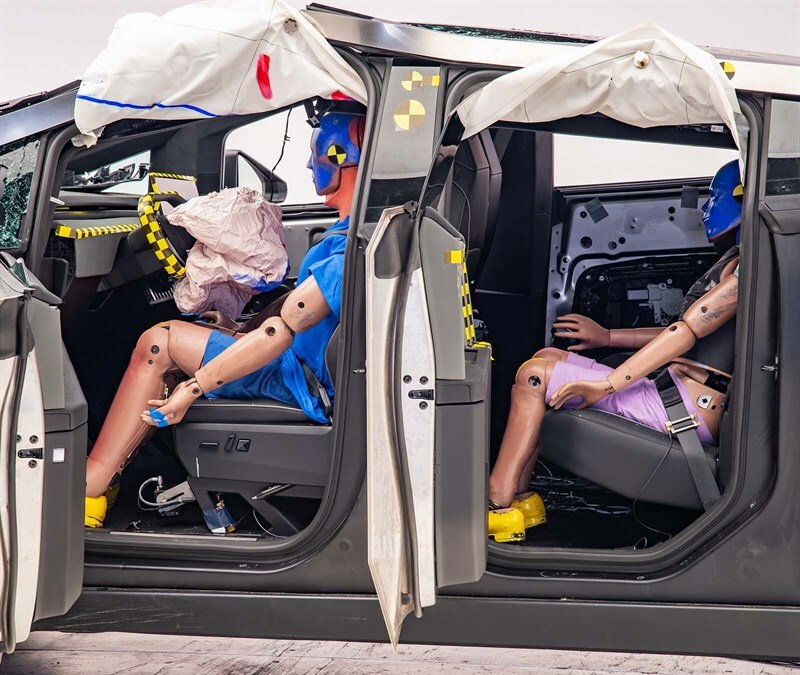
Those post-April models benefited from structural changes, including a redesigned underbody and footwell area. As a result of those changes, it picked up Good ratings across both driver- and passenger-side small overlap front tests.
Moderate overlap frontal performance was also rated Good, with only one Acceptable score for rear passenger chest protection.
Side impact testing, which was updated in 2024 to reflect heavier, higher-riding vehicles, also resulted in a Good overall rating. Add Good-rated LED headlights, strong pedestrian crash prevention, and solid child seat anchor performance, and the Cybertruck checks all the IIHS boxes.
Many critics once assumed that Tesla would struggle with crumple zones and energy absorption. Clearly, it beat those claims. Tesla even took a victory lap on social media, lightly clowning Matt Farah when he said that the Cybertruck could never pass safety testing at all (see video at the end).
Europe Is A Different Story
While winning safety awards is a great thing anywhere, it’s worth noting how differently America approaches safety when compared to Europe. In the States, occupant safety is the major focus whether we’re talking about the IIHS or the NHTSA.
In Europe, UNECE rules and Euro NCAP both place far more emphasis on pedestrian safety. Cyclist safety, exterior impact mitigation, and compatibility with urban environments all play a large role.
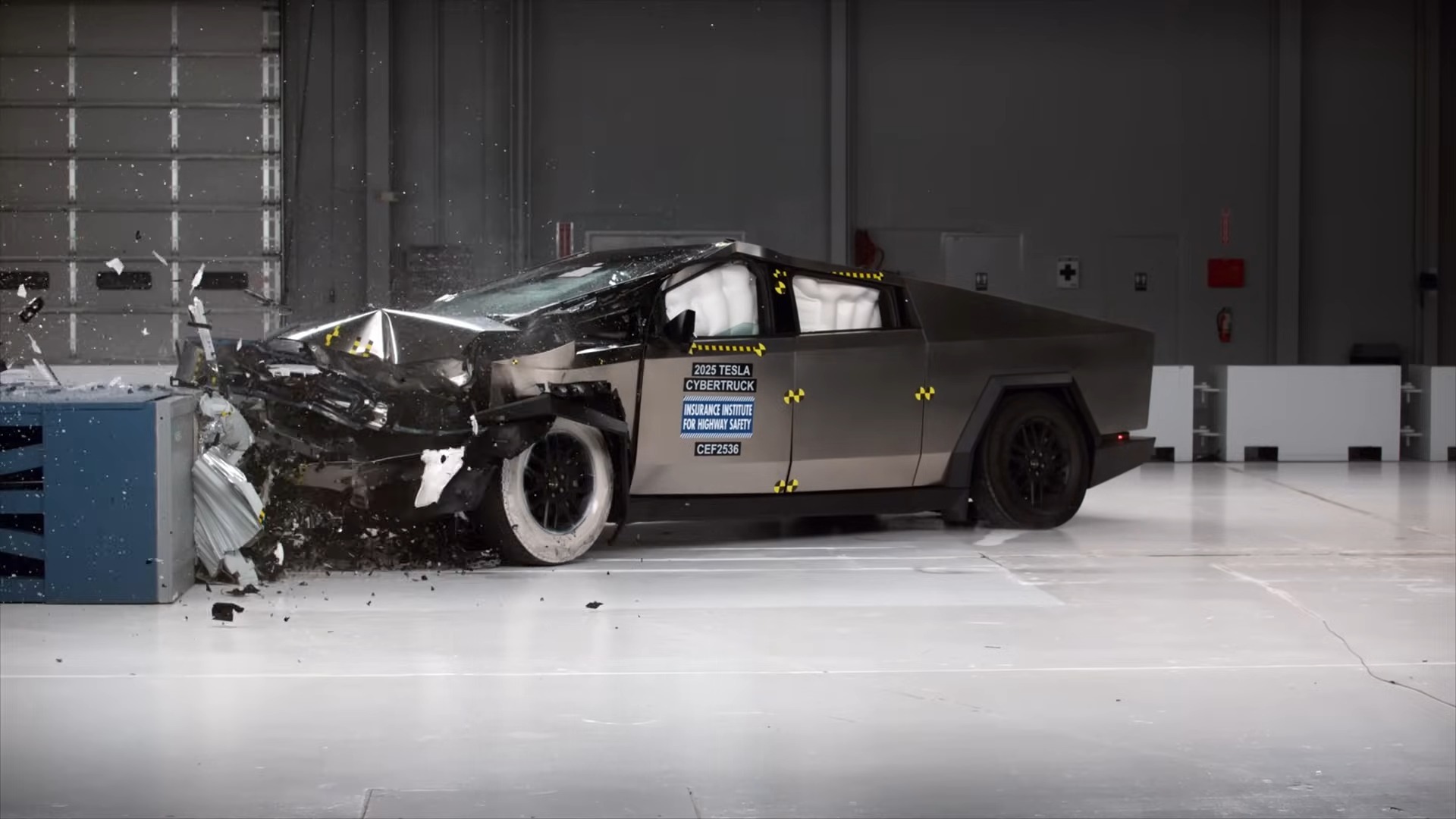
This is where the Cybertruck runs into trouble. Its sharp stainless-steel body panels, rigid geometry, and angular edges are fundamentally at odds with European pedestrian protection rules, which require deformable front ends and energy-absorbing surfaces designed to reduce injury in vehicle-to-person impacts.
Read: Germany And US Army Tell Soldiers To Leave Cybertrucks At Home
According to German business outlet Handelsblatt, Tesla’s own Grünheide plant manager André Thierig has all but ruled out a European launch, stating he doesn’t see the Cybertruck “driving on European roads in significant numbers.”
While one German-registered Cybertruck reportedly exists under a special permit, it required modifications, and Tesla management has cautioned against expecting more.
Are European Standards “Better”?
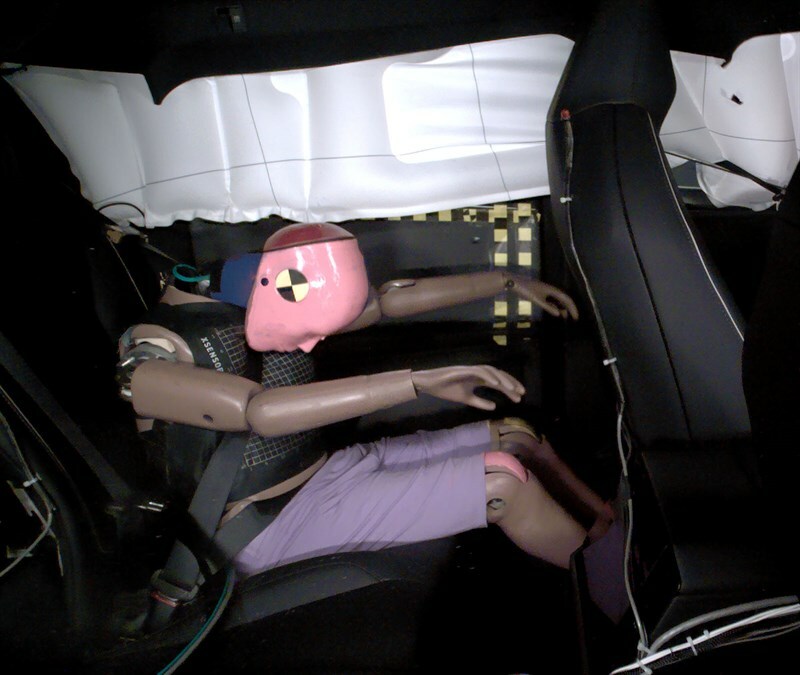
Put plainly, in some ways, yes, and in other ways, they’re simply different. US testing arguably does a better job of accounting for large-vehicle crash dynamics. That should come as no shock, considering how many big trucks and SUVs are in the USA.
On the other hand, Europe excels at protecting vulnerable road users, while the U.S. mostly ignores them in NHTSA and IIHS testing.
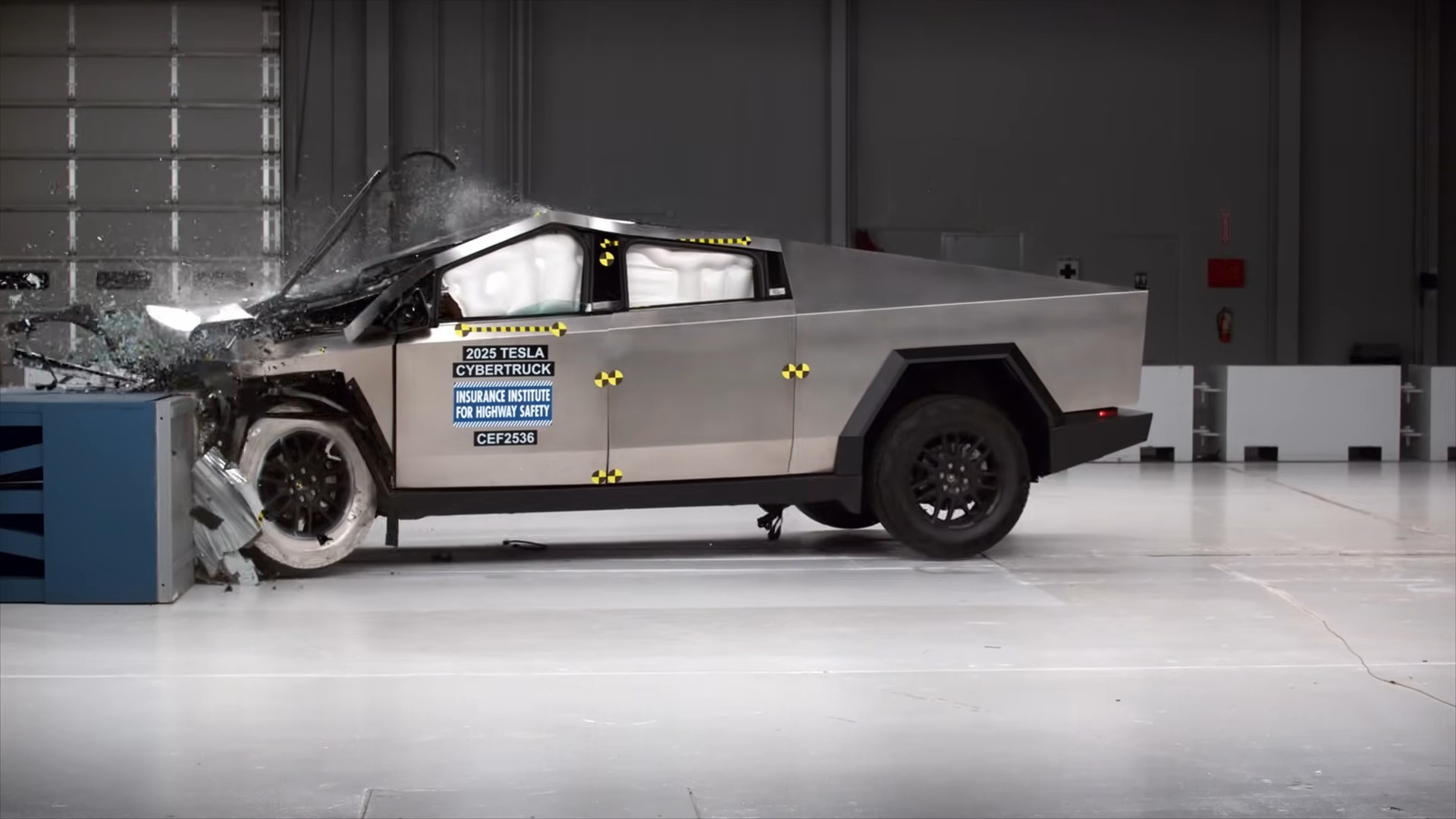
The Cybertruck now proves it can protect its occupants extremely well. What it hasn’t proven, and likely won’t in its current form, is that it can meet Europe’s stricter external safety requirements without fundamental redesign.
For now, it’ll remain as an American success story in terms of safety, but there’s little doubt that Tesla would love to be able to sell it in as many countries as possible. Certainly, hardcore Tesla fans in Europe would love it too.