











- Abandoned prototype in California shows Chinese brand’s US plans.
- Near-production SF7 crossover was built to meet US regulations.
- SF Motors rebranded as Seres after halting US production plans.
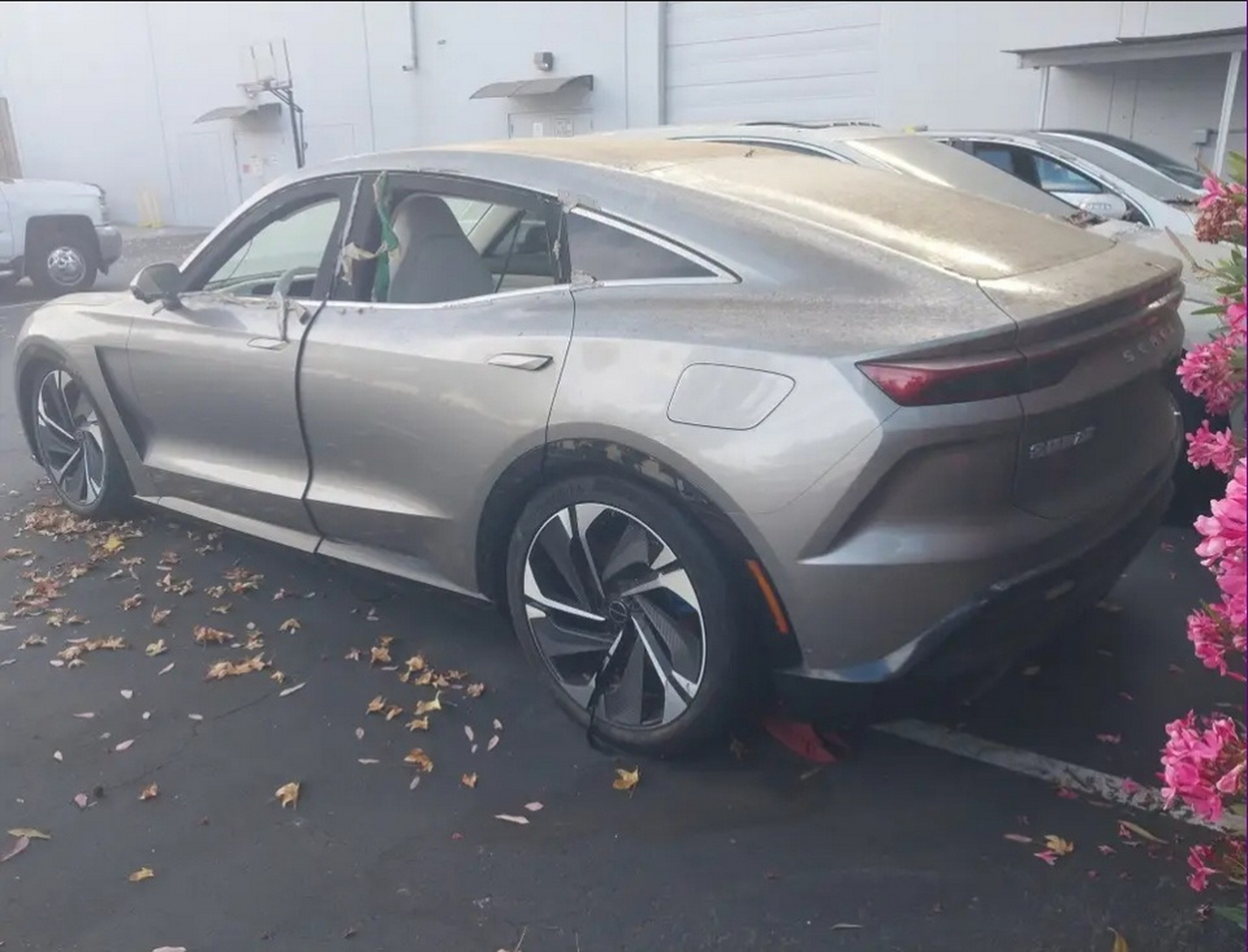
A dust-covered prototype spotted in a California parking lot has stirred plenty of curiosity across forums and social media. Weathered and left behind, it’s another eerie reminder of how unforgiving the EV game can be, especially for startups trying to find a foothold in a market that moves fast, burns money, and doesn’t wait for anyone to catch up.
More: Seres 5 Crushes Tesla Model Y In Comfort But Loses The Battle Where It Counts
The vehicle in question appears to be a near-production evolution of the SF7 concept, which SF Motors first revealed back in 2018. That company would later be rebranded as Seres, eventually spinning off the Aito nameplate in partnership with Chinese tech giant Huawei. And yes, keeping track can be a bit of a challenge.
SF7 Concept



Still, the Chinese automaker once had big plans for the North American market. In 2018, it purchased a factory in Mishawaka, Indiana, for $160 million, with the intention of building EVs on US soil and going straight after Tesla.
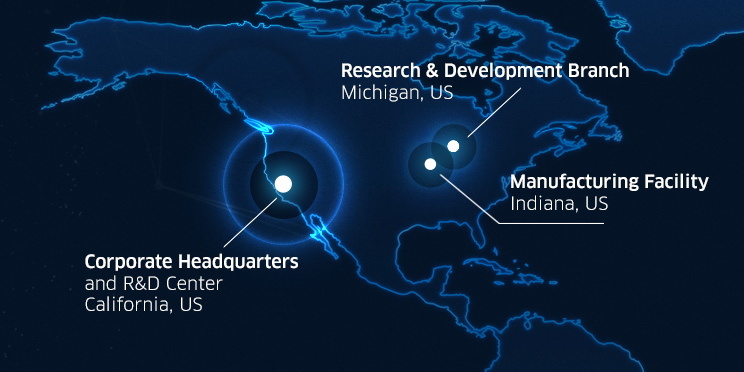
That same year, it also opened a 130,000-square-foot R&D and low-volume manufacturing facility at the McCarthy Creekside Industrial Center in Milpitas, California.
By the following year, however, those plans had been shelved. Officially, it was due to shifting market dynamics and the usual complications of US-China trade. Unofficially, the writing was already on the wall.
The Shape of What Could Have Been
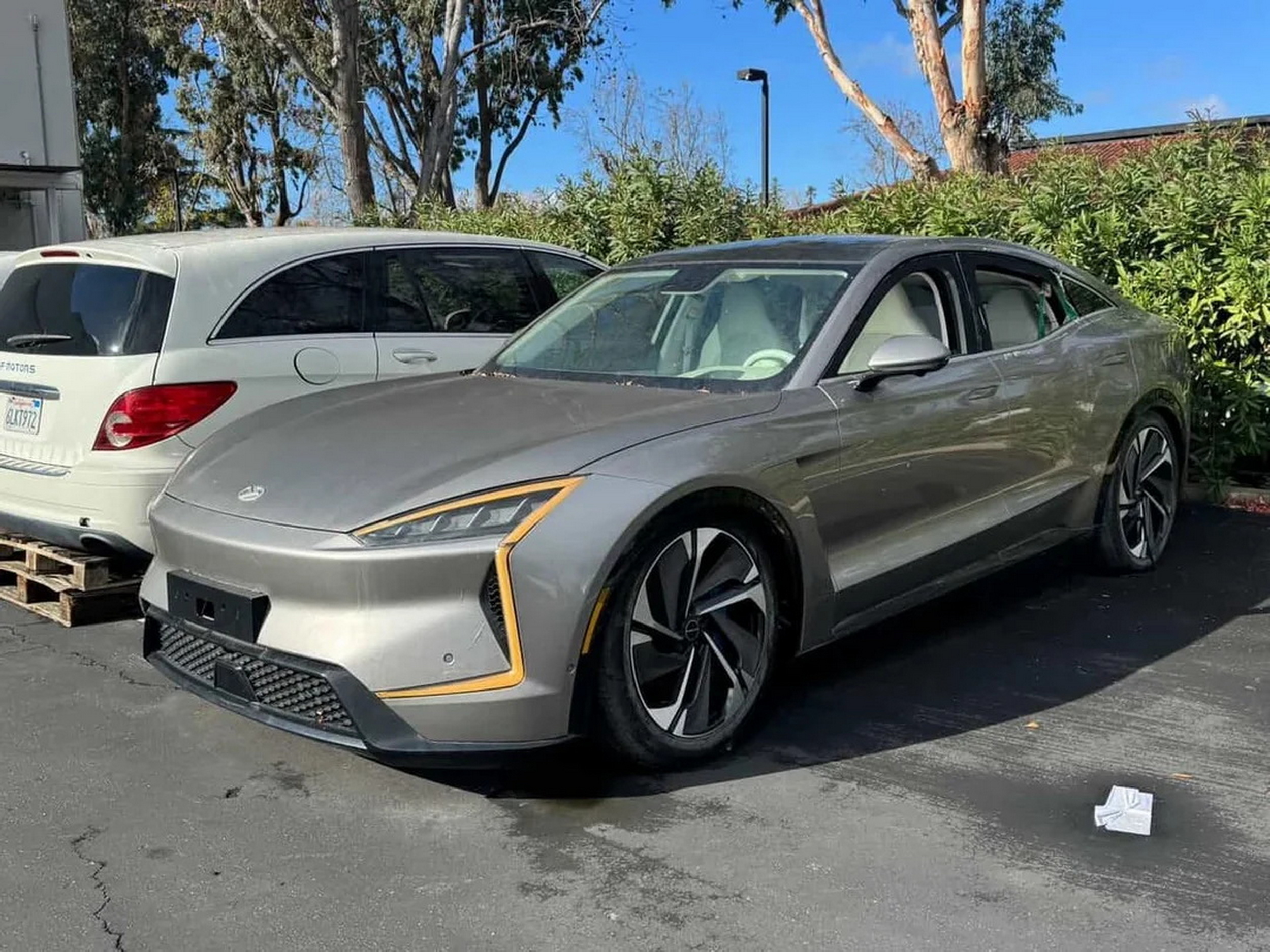
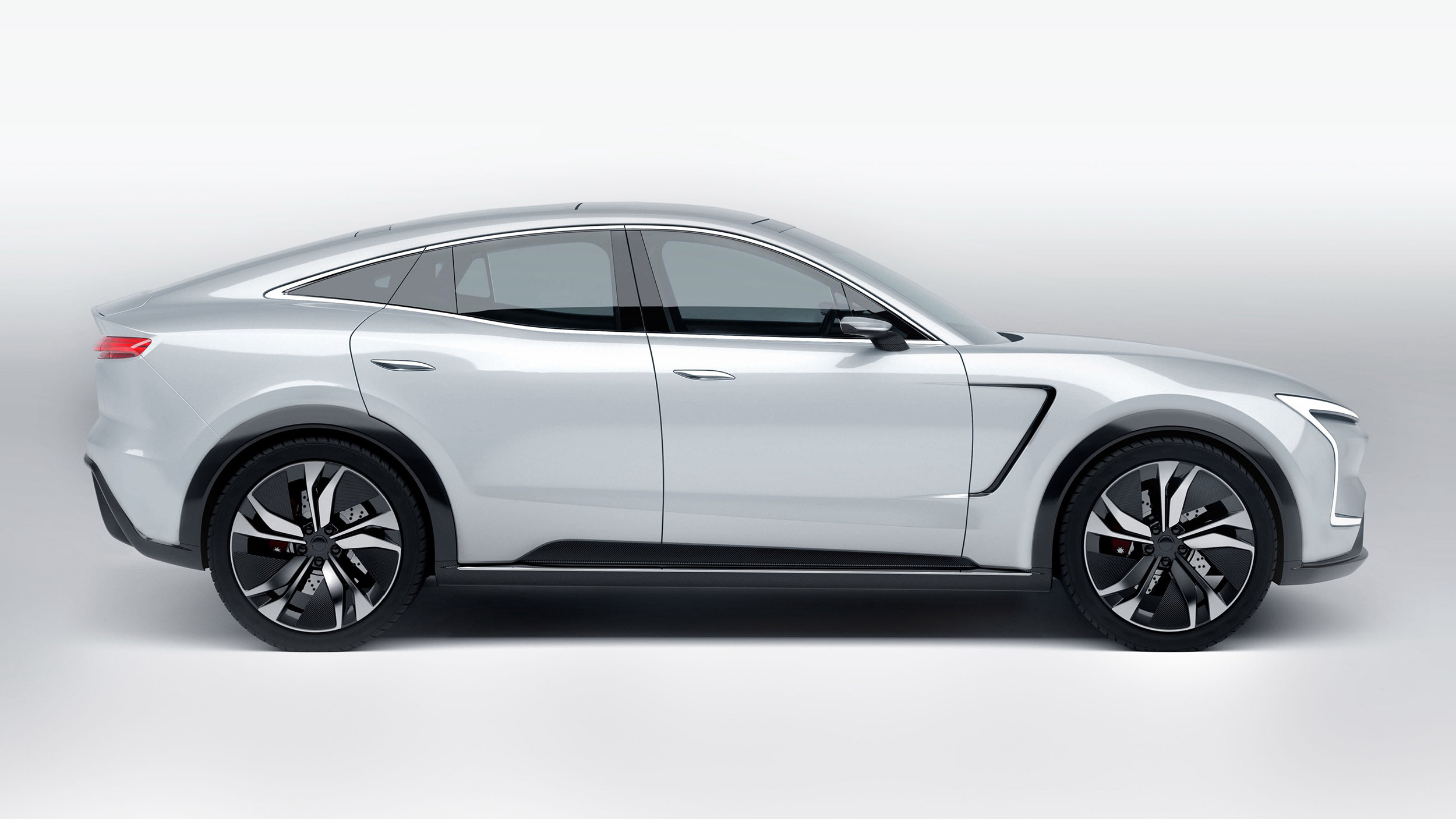
The abandoned prototype, first noticed by forum users and Reddit sleuths, was spotted in the parking lot of the SF Motors facility in Milpitas, California. Compared to the original SF7 concept, this one looks much closer to production, with reworked bumpers, reshaped fenders, and more conventional lighting units.
Overall, it looks like a mix between a sedan and a fastback crossover, with discreet cladding around the wheel arches and a sleek roofline. It also features. US-market details like amber indicators suggest it was being prepped for local homologation.
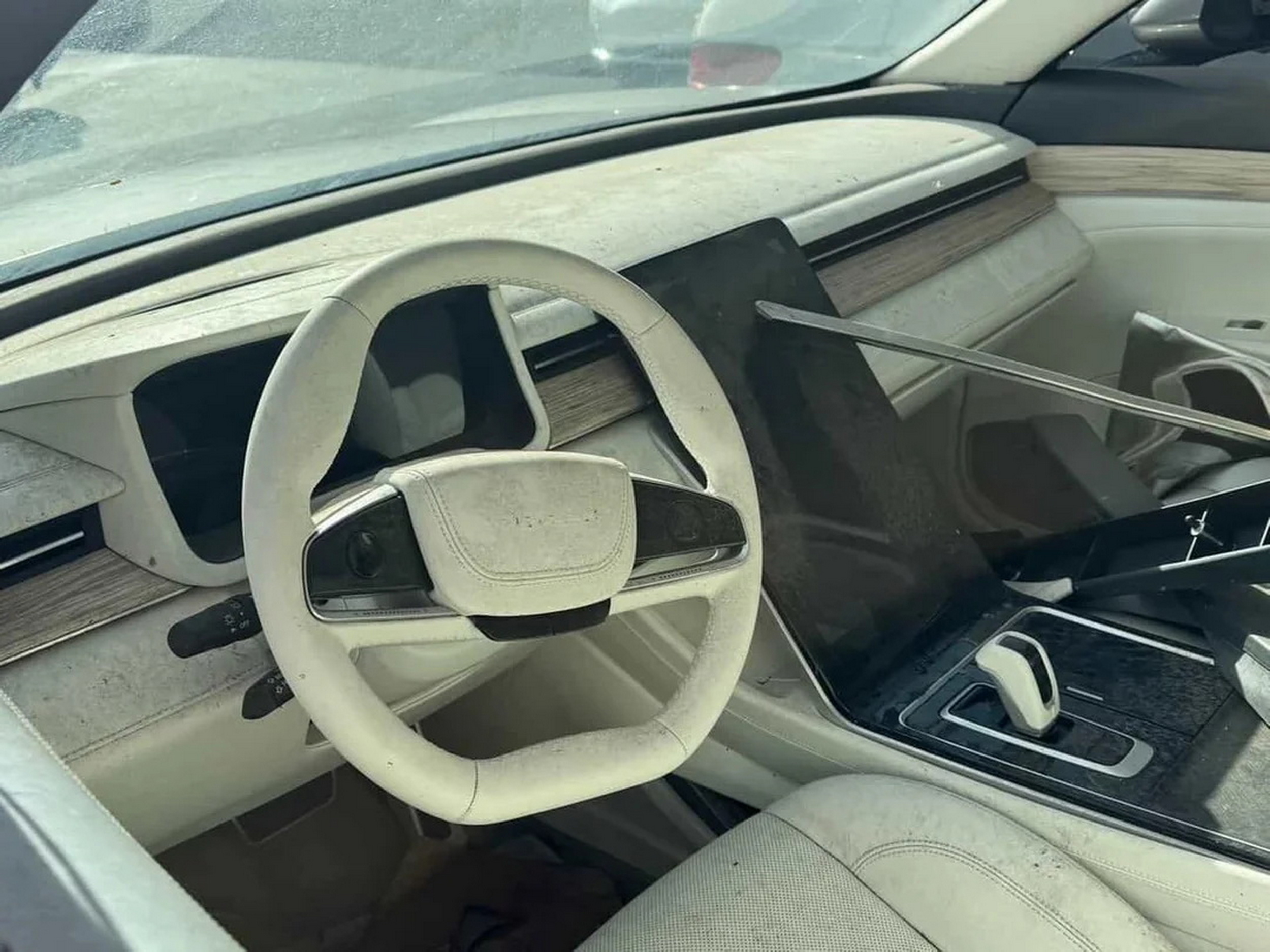
Inside, there’s a large portrait-oriented infotainment display paired with a digital instrument cluster. The cabin is trimmed in white leather with wood accents, but it’s clearly suffered from exposure, thanks to windows left partially open to the elements.
Specs That Never Saw the Road
Originally, the SF7 was meant to ride on a dedicated EV platform, boasting quad electric motors with a combined output of up to 1,000 horsepower. A liquid-cooled battery was estimated to provide around 300 miles (483 kilometers) of range, putting the SF7 in direct competition with premium electric SUVs at the time.
Although the SF7 never made it to showrooms, the slightly smaller SF5 managed to find a second life. That concept evolved into the Seres 5, which we reviewed, and the Aito M5, developed through the Seres-Huawei partnership.
A Failed Dream
Seeing this derelict development vehicle in California is reminder of how close SF Motors came to offer vehicles in the US. But in the end, those plans never crossed the finish line.
The Mishawaka facility, originally chosen as the production site for the SF5 and SF7, once built the Mercedes R-Class. That likely explains the presence of the white R-Class, sitting on pallets next to the abandoned SF7.
The old Mercedes crossover carries SF Motors emblems and was repurposed as a development mule for a “high-performance electric powertrain.”
From One Collapse to Another
After SF Motors scrapped its US production plans, the Indiana facility was picked up by Electric Last Mile Solutions (ELMS), a startup that later filed for bankruptcy. Mullen Automotive stepped in and took ownership in 2022, but by late 2025, the company handed the plant over to the GEM Group to resolve outstanding legal liabilities.


