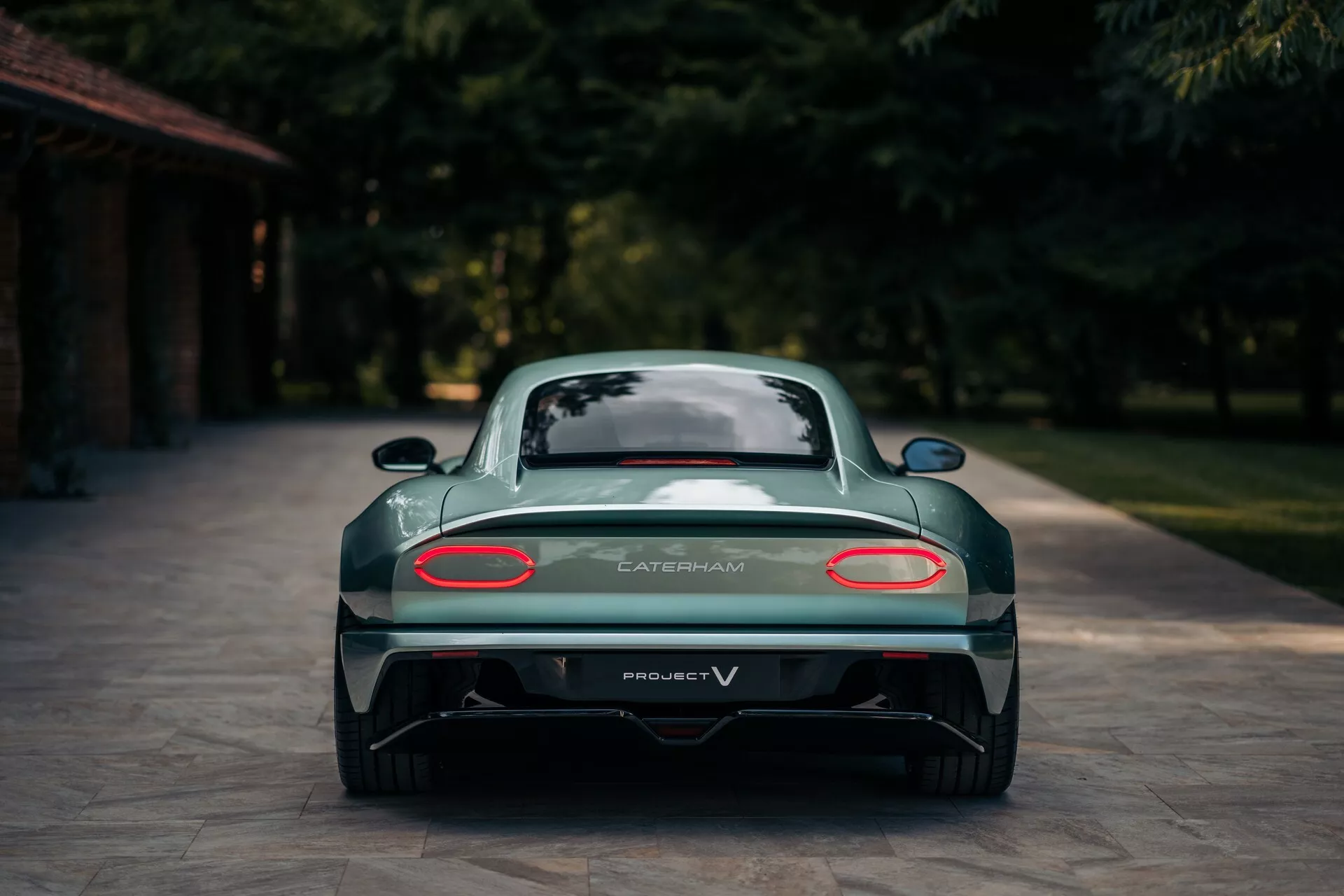
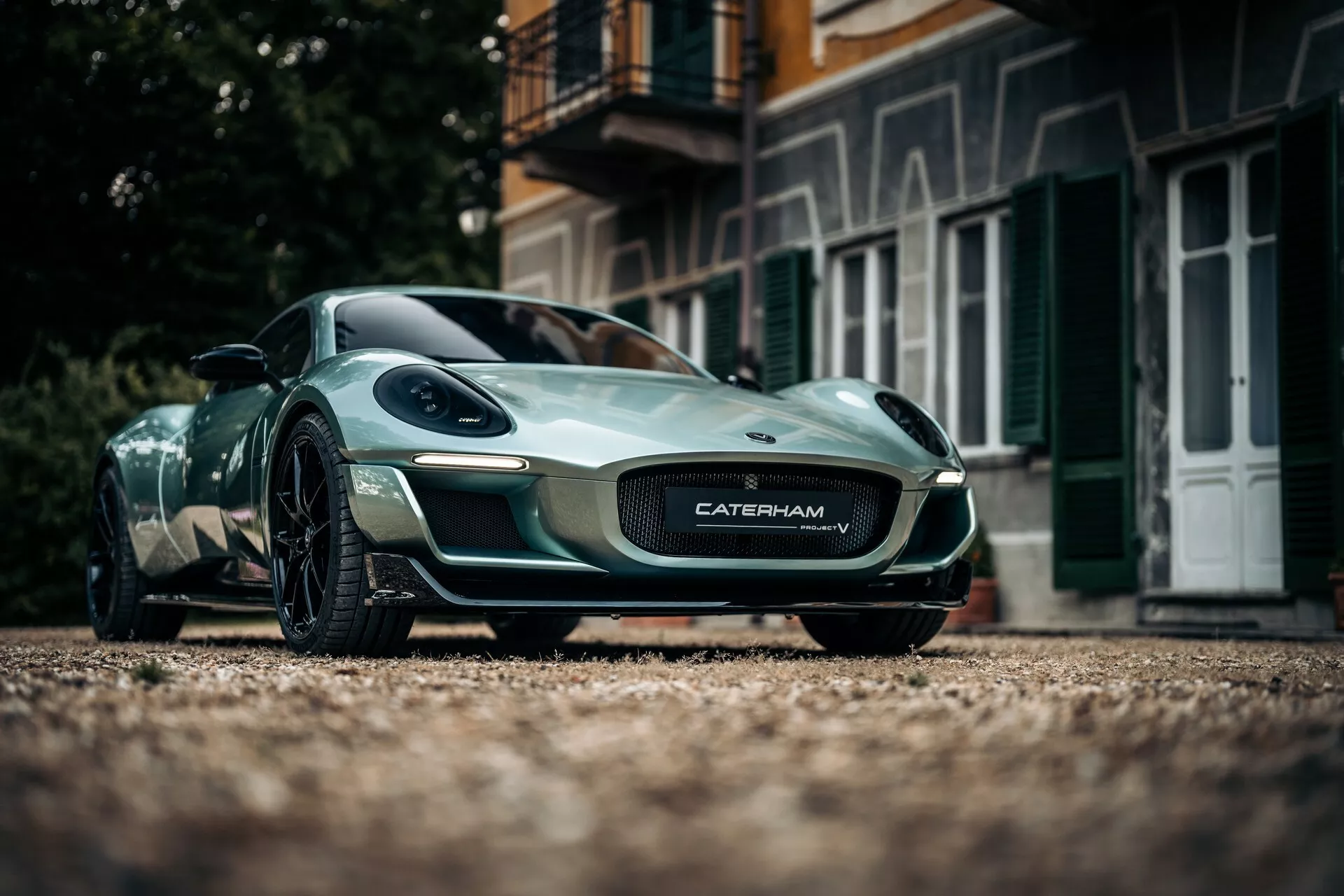
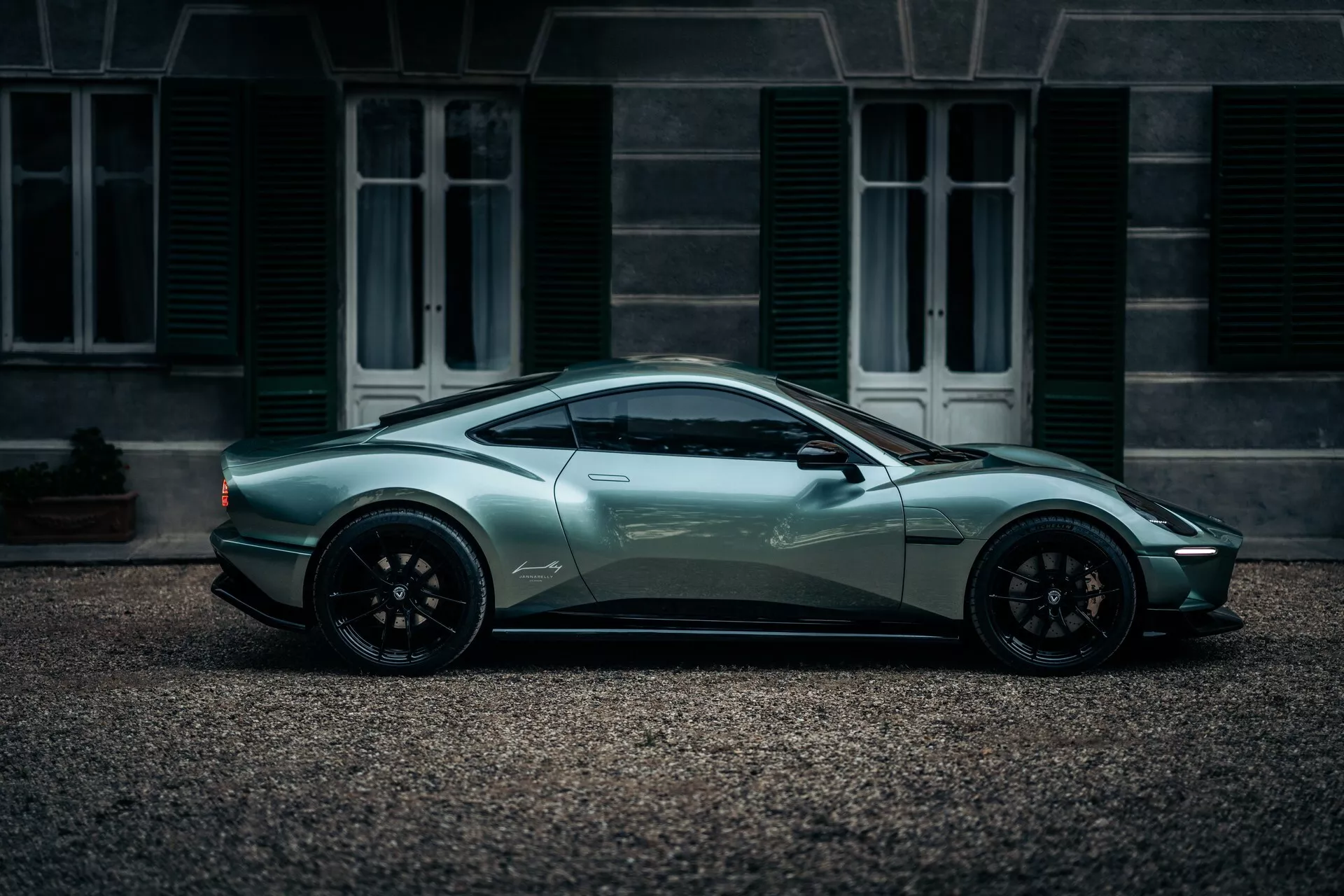
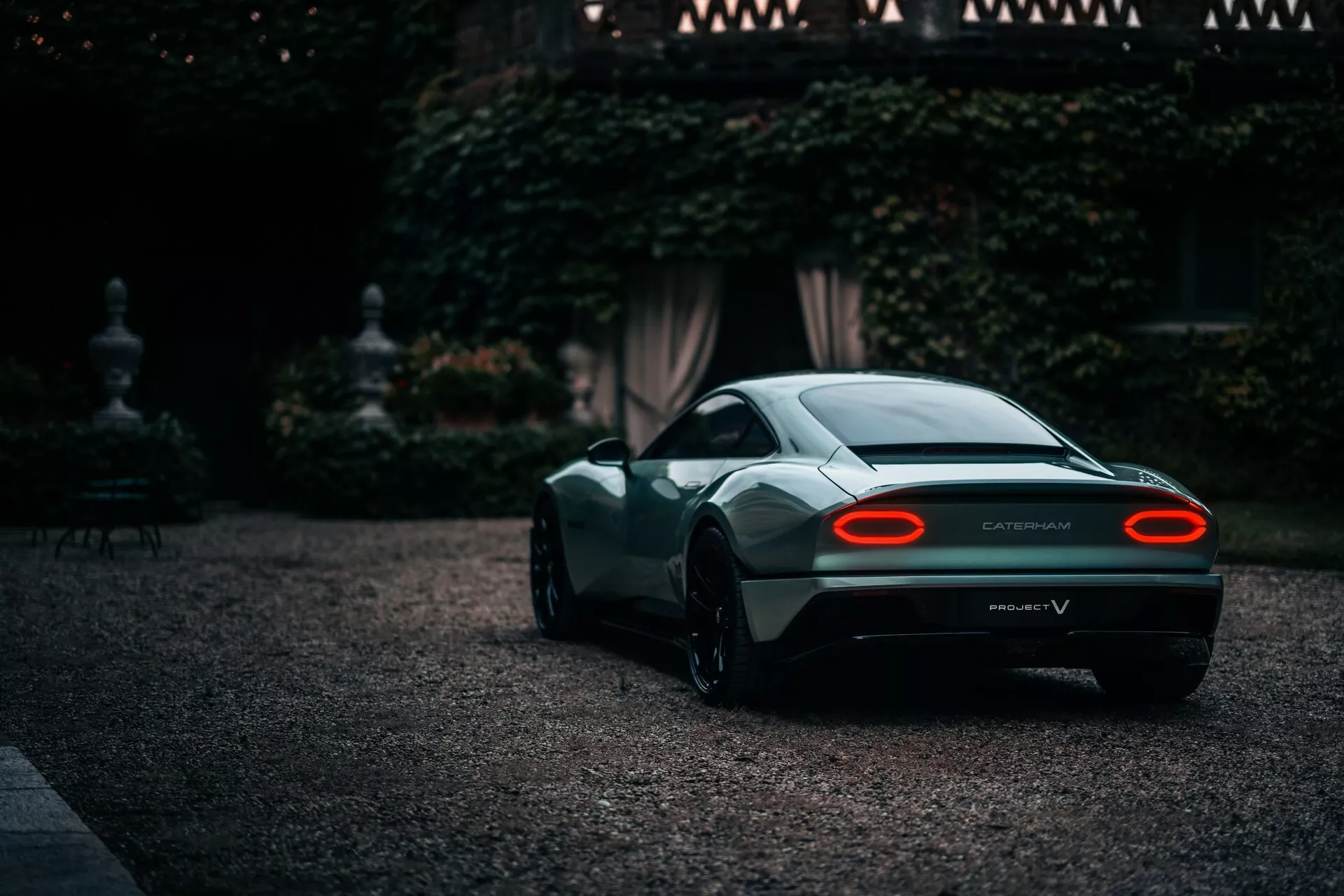
- Caterham says it’s finally taking the US market seriously.
- Project V uses twin 27 kWh batteries with a Yamaha motor.
- The 268 hp EV skips a skateboard layout for better feel.
It’s been more than two years since Caterham introduced its all-electric Project V concept, and while the wait hasn’t exactly flown by, the project is edging closer to production. The car is now on display at the Consumer Electronics Show in Las Vegas, and later this week, a working prototype will debut at the Tokyo Auto Salon. For American sports car fans, there’s also some promising news on the horizon.
Read: Caterham Won’t Let Go Of Its EV Dream Even If The World Already Has
Caterham has long been a niche name outside Europe, but that’s about to change. Speaking at CES, Justin Gardiner, the company’s overseas representative, confirmed that Caterham plans to bring the Project V to the US market. And it’s not a half-measure.
“You Guys Are All Loaded”
“We have ignored America as a market for 50 years, and that’s ridiculous, because you guys are all loaded,” Gardiner told Car and Driver. “We’re going to take America very seriously as of this week. We are looking to sell a lot of these over here.”
The Project V will be sold alongside the iconic Caterham Seven, but Gardiner notes that the firm needs to “future-proof” itself, preparing for the day when it’ll no longer be able to build the Seven.
Electric, but on Caterham’s Terms
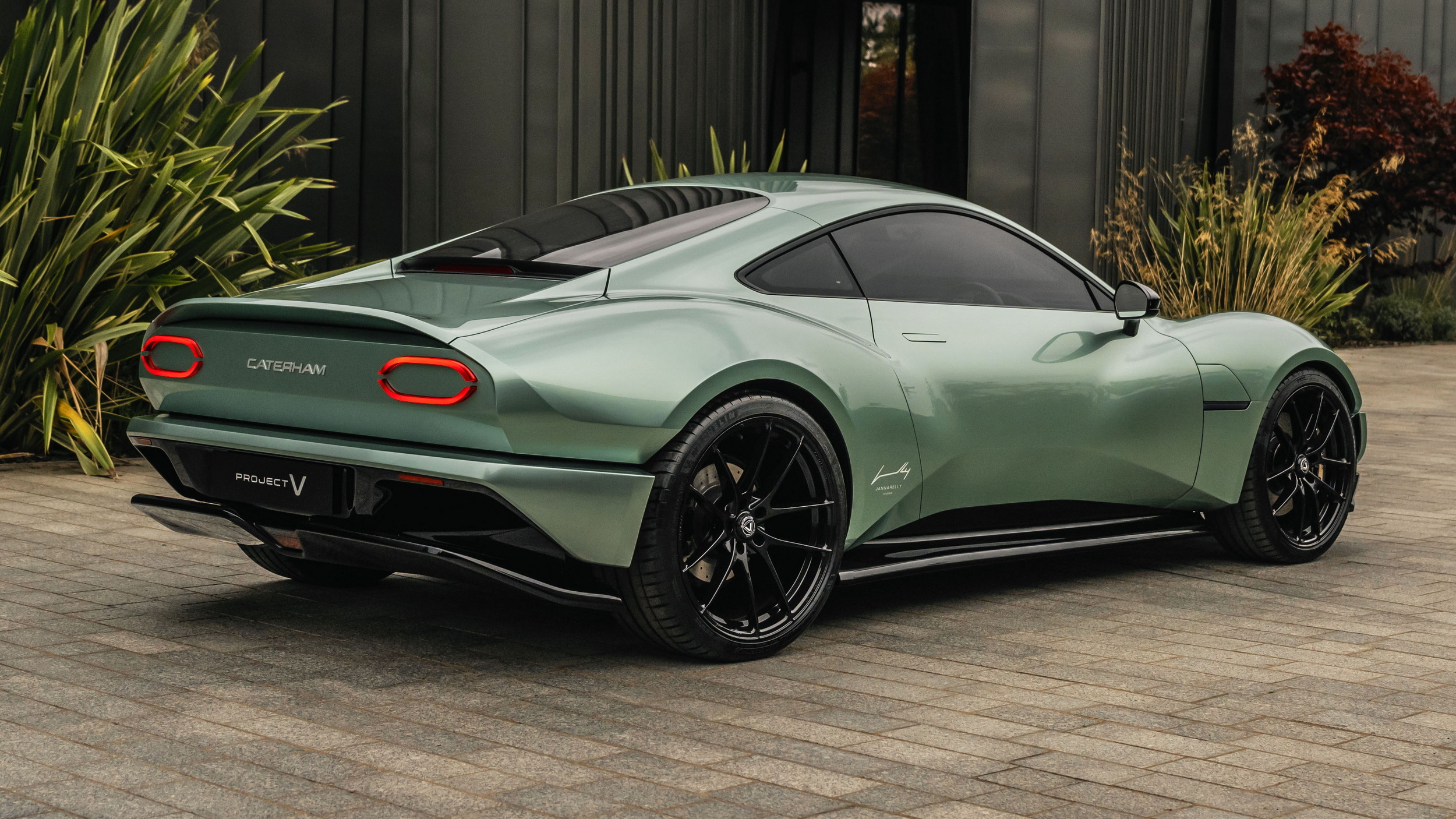
Staying true to its purist driving ethos, Caterham has engineered the Project V to feel nimble and alive behind the wheel. Instead of adopting a typical skateboard battery layout, the company went with a more unconventional approach.
Two liquid-cooled battery packs from Xing Mobility are mounted at the front and rear of the car, helping distribute weight in a way that echoes the dynamics of the Seven. Together, the packs provide just over 27 kWh and feed a 268 hp electric motor sourced from Yamaha.
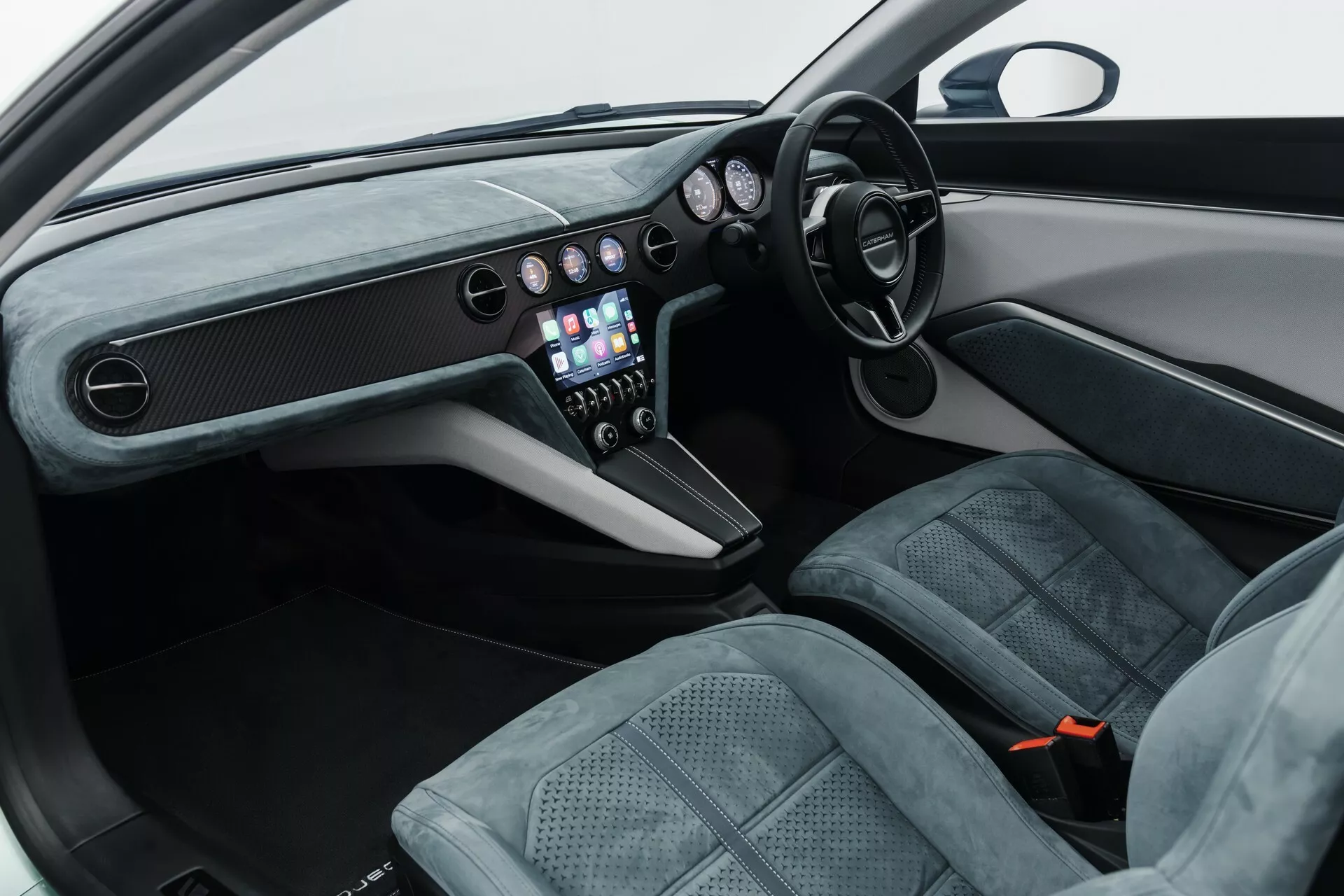
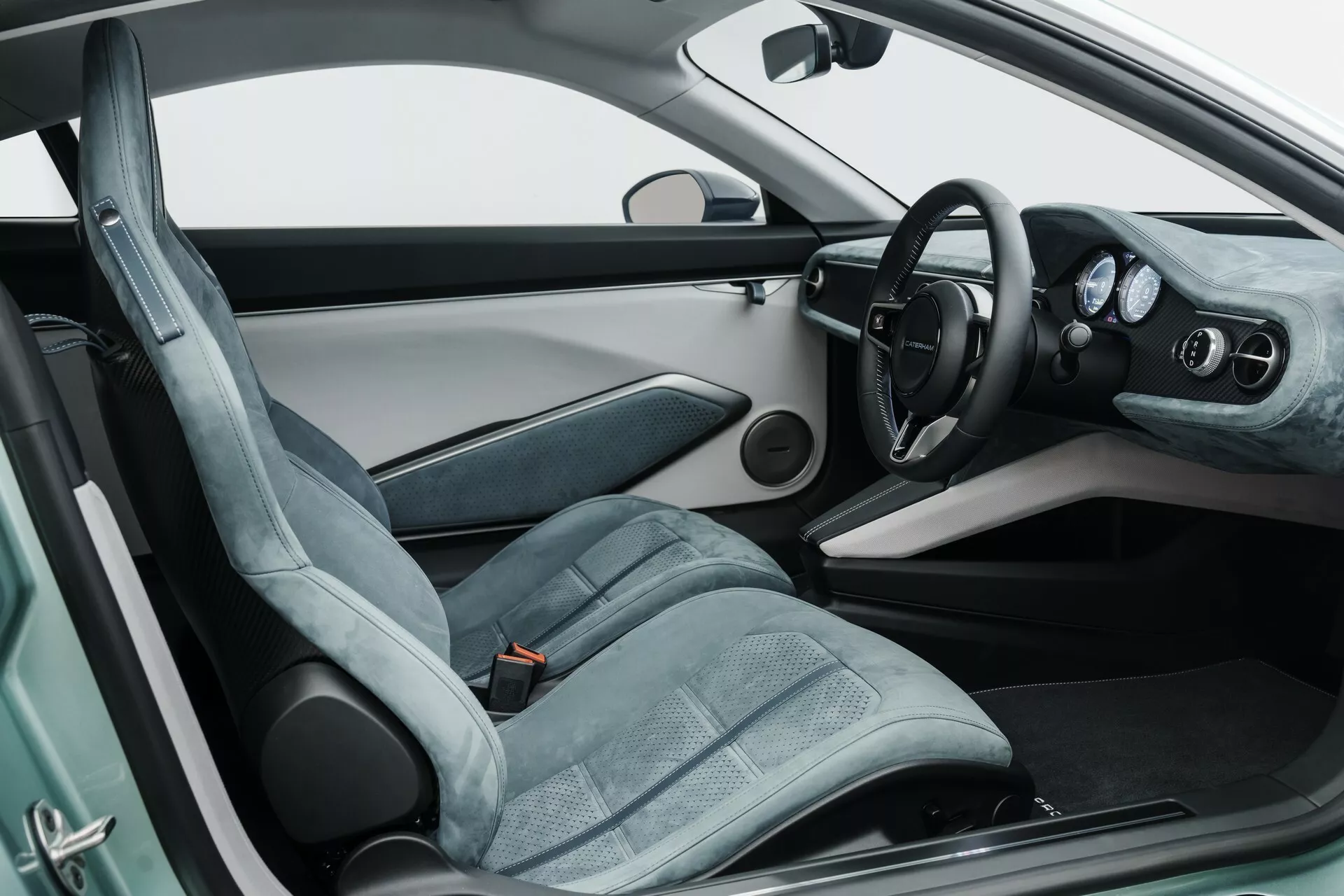
“Whereas every other EV manufacturer tends to put the batteries in the skateboard, we have absolutely deliberately put the driver’s seat as close to the ground as possible,” Gardiner told the magazine.
“While every other car manufacturer wants [the weight] all the way to the middle, we’ve deliberately pushed it all the way to the front and the back, because that’s the way it is in the Seven, and that’s what makes the Seven fun to drive. Polar momentum is the term, and we’re deliberately putting polar momentum into this car.”
Priorities Behind the Powertrain
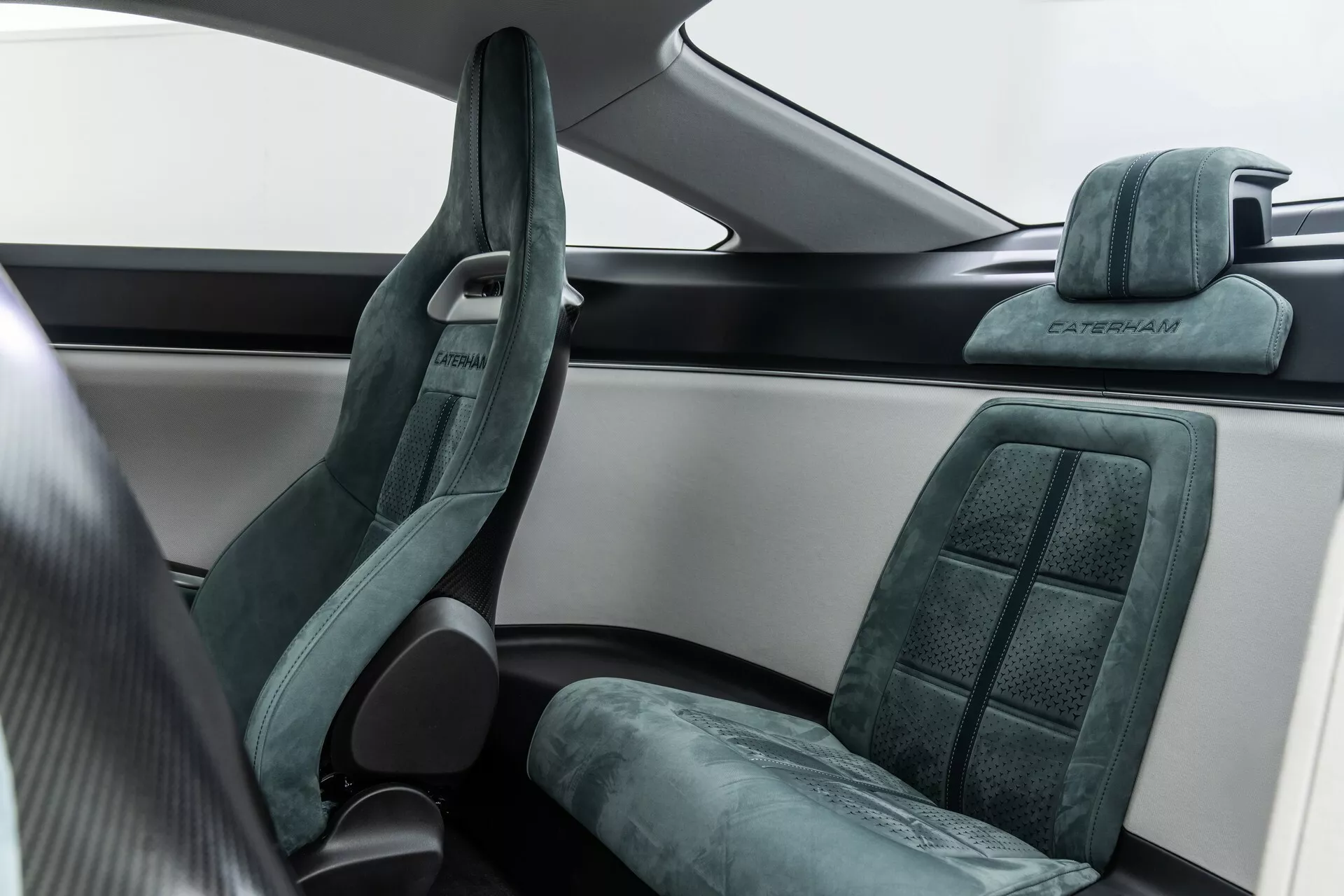

The battery setup is cooled using a dielectric liquid, which helps manage heat under aggressive driving conditions. Despite a relatively modest charging cap of 100 kW, Caterham isn’t particularly concerned with rapid top-ups.
As Gardiner puts it, the focus is on how quickly the battery can discharge, not how fast it can recharge. The target buyer isn’t thinking about long-distance commutes, they’re more interested in how hard they can push the car on a back road or track session.
As for pricing, there’s still no firm number for the US, but Gardiner expects the Project V will land somewhere around $135,000 when it arrives.