- Hyundai trims Inster pricing, but the value gap still lingers.
- Kona Electric sees price changes across the Australian range.
- Rival EVs still apply pressure despite recent pricing moves.
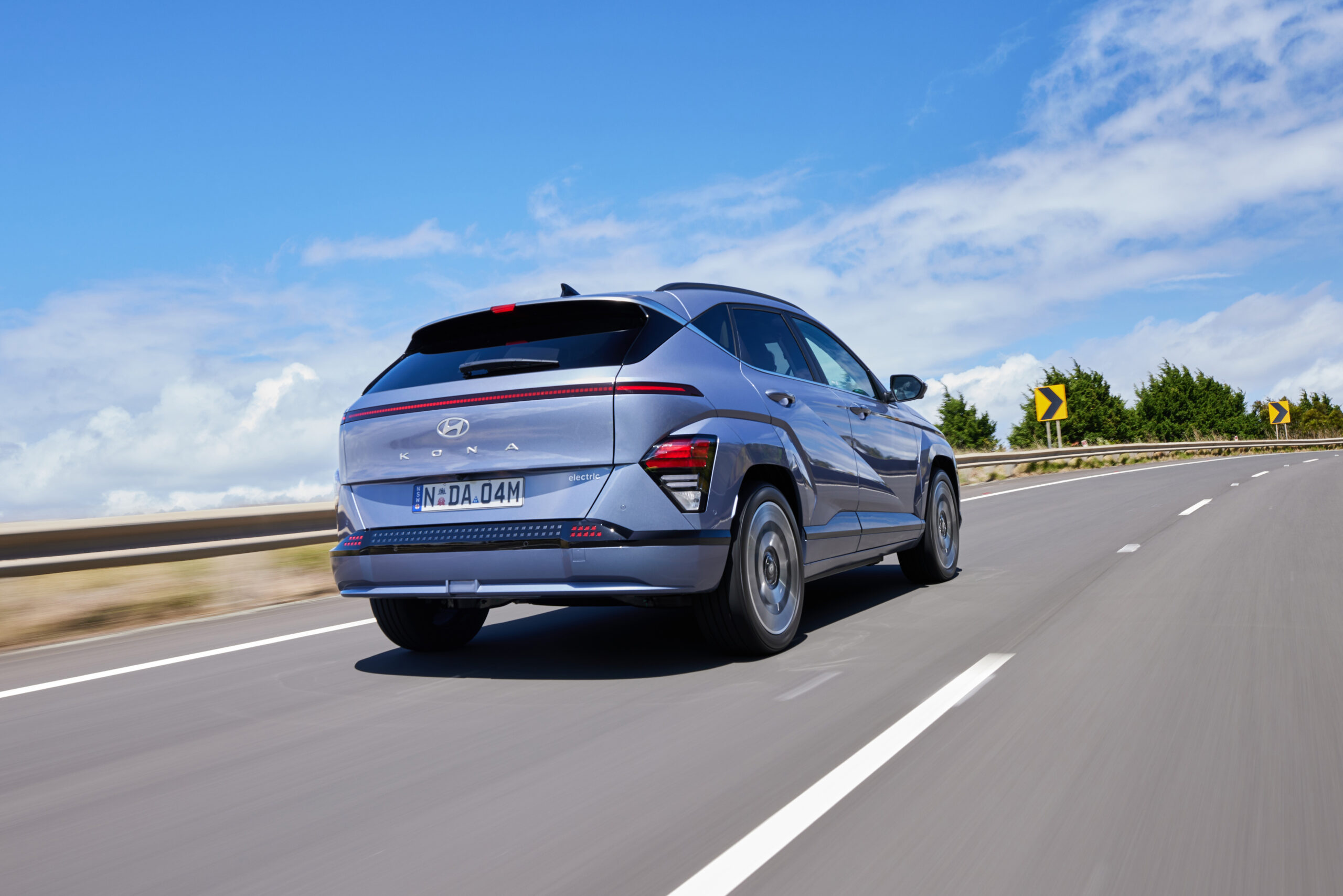
As electric vehicles flood into Australia’s increasingly crowded new car market, the pressure is mounting, particularly from aggressively priced models coming out of China. In response, Hyundai has rolled out some major price cuts to two of its more compelling EV offerings, the compact Inster and the updated Kona Electric.
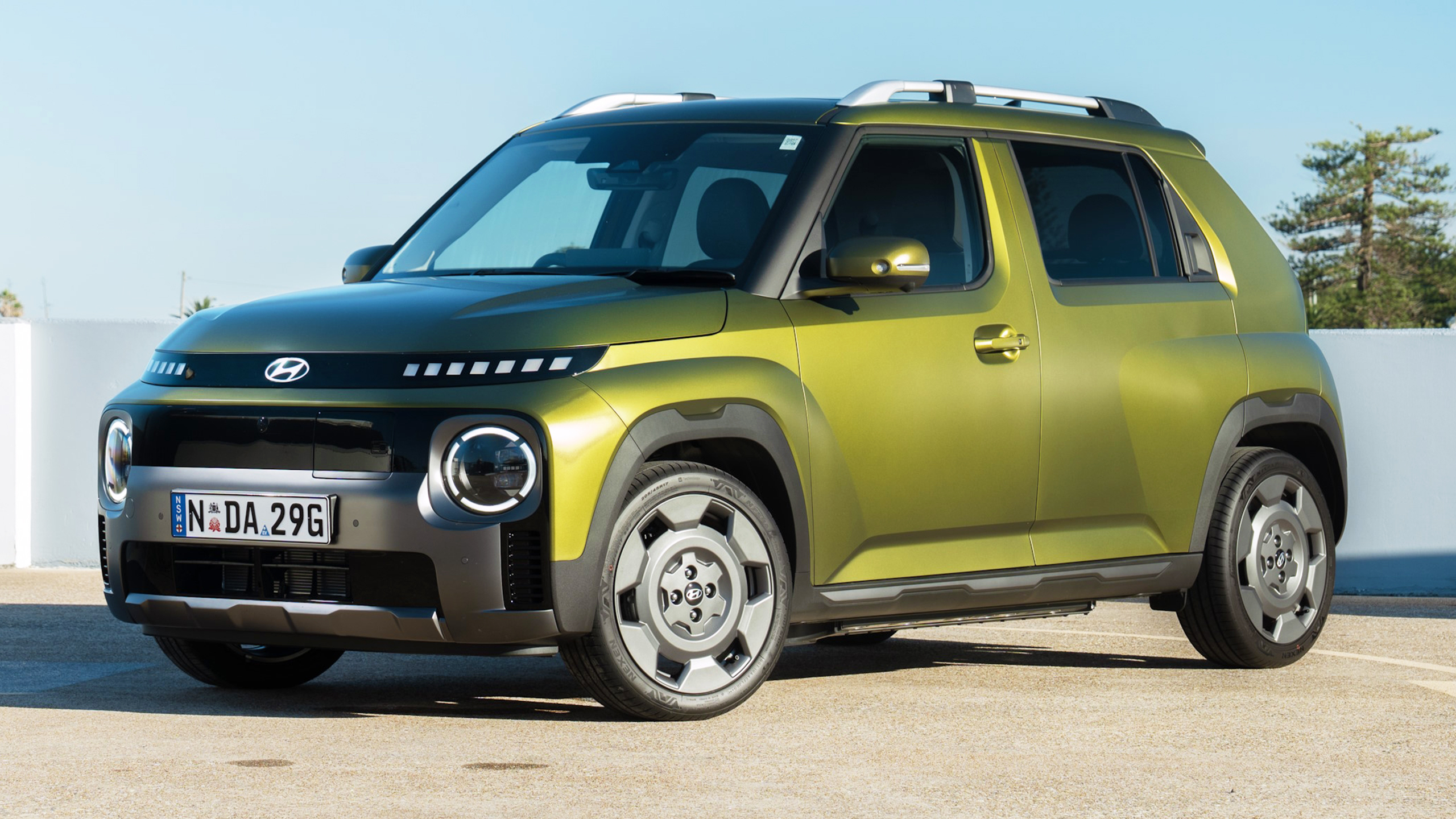
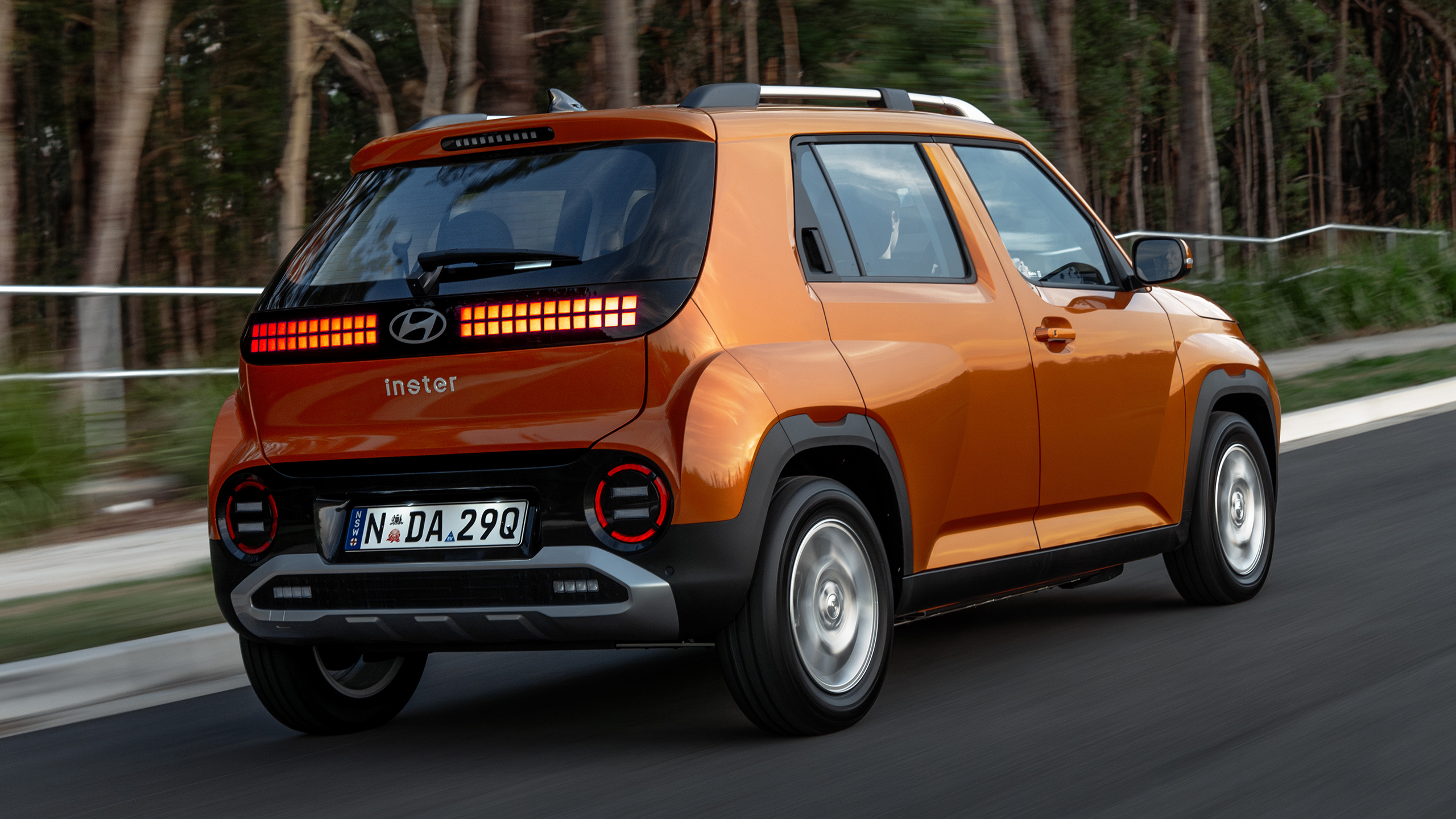
Starting with the pint-sized Inster, which we drove just a few months ago, price cuts mean buyers can now save upwards of AU$7,288 (equal to US$4,900 at current exchange rates).
The base Inster Standard Range now starts at AU$35,990 (US$24,200), and that figure includes all on-road costs. Even with the adjustment, it’s still undercut by the base BYD Atto 1, which starts from just AU$26,500 (US$17,800) in standard trim, or around AU$30,650 (US$20,600) for the Premium version.
Read: American Brands Shut Out As One Country Dominates World Car Of The Year Finalists
The Inster itself brings a lot to the table in terms of practicality. It makes excellent use of space and comes with a solid feature set for its size. But those strengths haven’t translated into strong sales, largely due to its steep pricing. Between June and December last year, just 467 units found homes in Australia, according to data from CarExpert.
Slashing Prices Across the EV Board
Even more significant price cuts have been made to the Hyundai Kona Electric and Hybrid. The entry-level Kona Electric Standard Range now lists at AU$45,990 (US$30,900), marking a price drop of more than AU$13,000 ($8,700). The Kona Hybrid also sees a notable cut, with prices falling to AU$39,990 (US$26,900).
The price cuts bring the Kona Electric cost to the Geely EX5, which starts at a touch over AU$44,000 (US$29,500). Elsewhere, Hyundai has slashed prices of the Kona Electric Extended Range by AU$13,357 (US$9,000) to $49,990 (US$33,600), including all on-road fees.
The price of the Kona Electric Premium has also been cut by AU$13,857 ($9,300), meaning it’s no longer available from AU$59,990 (US$40,300).
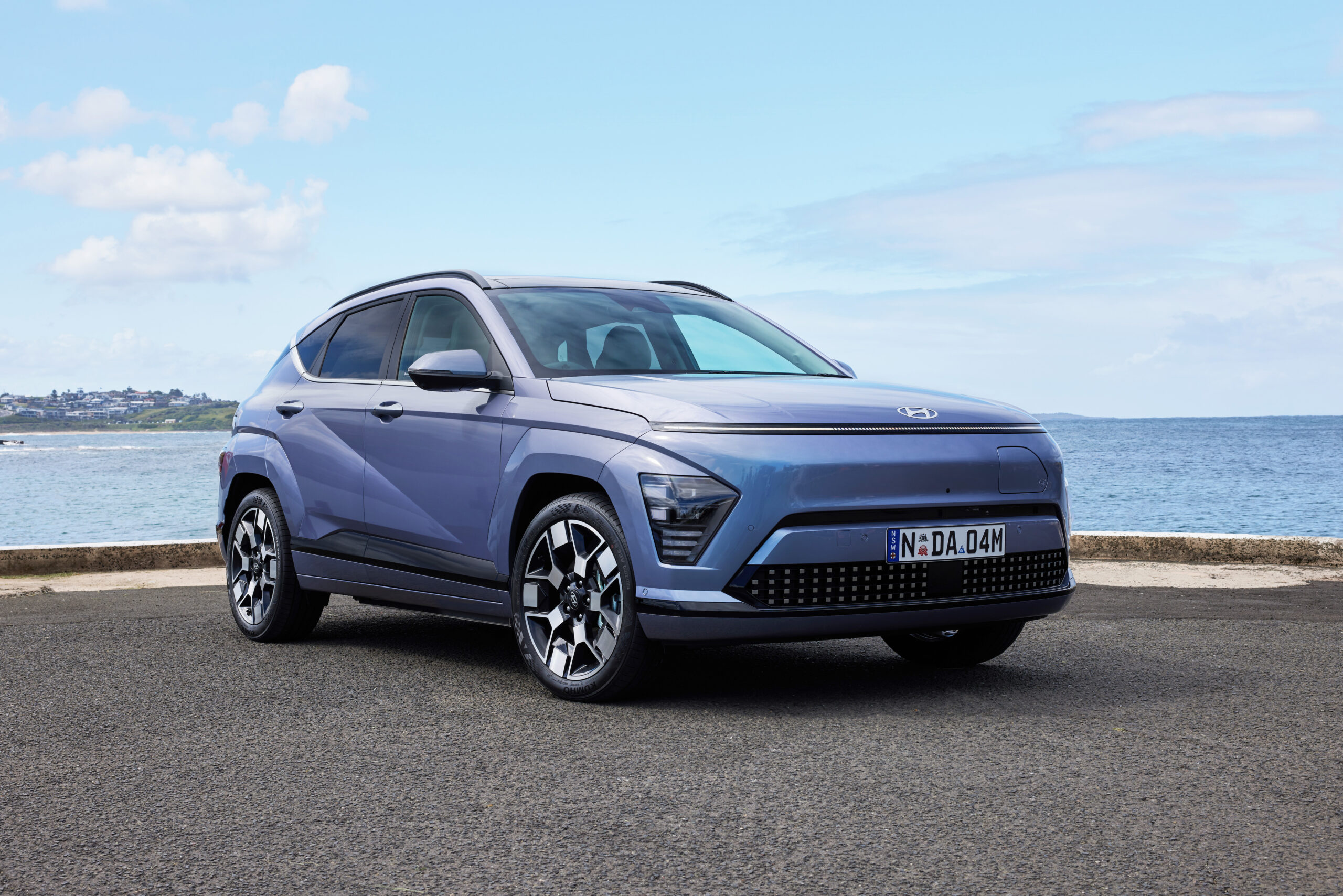
The sales figures reflect the challenges Hyundai has faced. Just 541 Kona Electrics were sold locally last year, making up only 2.4 percent of total Kona sales, hardly the breakout performance the brand had hoped for.
Lowering the barrier to entry not only helps the Kona Electric stay in the game against newer Chinese models, it also clears space for Hyundai’s incoming Elexio.
Built in China and priced from AU$59,990 (US$40,300), the Elexio now occupies the middle ground between the Kona Electric and the more premium Ioniq 5. Hyundai positions it as a rival to the Kia EV5, BYD Sealion 7, and Tesla Model Y, creating a more layered EV lineup with a clearer progression.