- Production shift frees space for new CLA at Rastatt factory.
- Big savings plan is underway, and this model plays a key role.
- A-Class will remain in production through at least 2028.
Mercedes isn’t quite finished with the A-Class. Although development of a successor is already in motion, the company recently decided to keep the current model in production beyond 2025. That alone marks a shift in plans, but it’s not the only development coming out of Stuttgart regarding its most compact model.
Read: Mercedes Bows To Buyers’ Pressure And Keeps Small Cars Alive
Soon, the A-Class won’t be rolling off a German assembly line. Instead of continuing production at its plant in Rastatt, Mercedes-Benz is shifting A-Class manufacturing to its facility in Kecskemét, roughly 100 kilometers (62 miles) outside Budapest, Hungary, Auto News reports
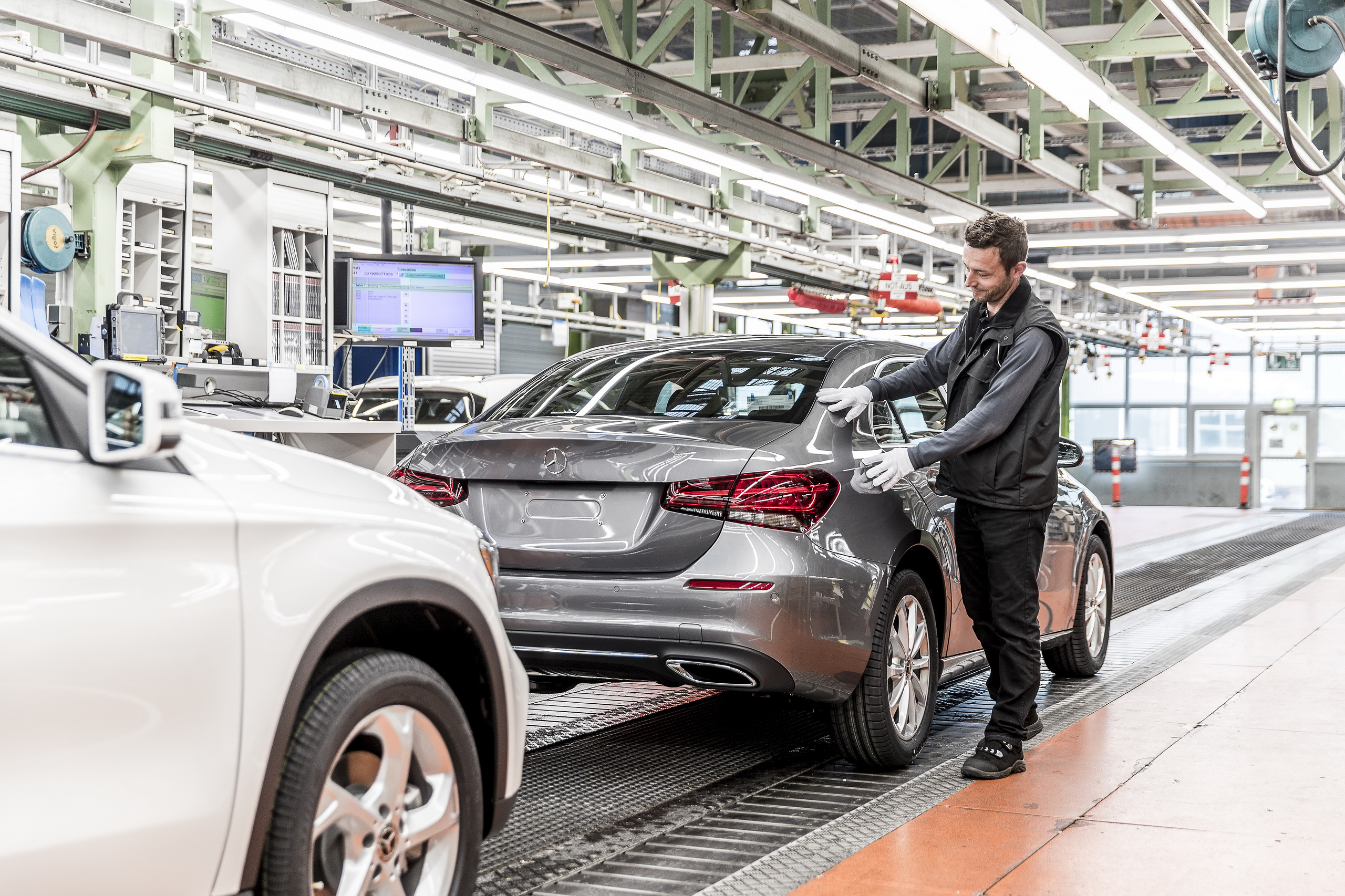
Relocating production from western to eastern Europe is, at its core, a financial move. Lower labor and operational costs in Hungary make it a more cost-efficient base for the A-Class, especially as Mercedes looks to protect margins on its most affordable offering.
Manufacturing at the Hungarian plant is set to begin in the second quarter of the year, with annual output projected to hit between 300,000 and 400,000 vehicles.
The company is currently pursuing a broad cost-cutting program as it looks to compete more aggressively with rising Chinese brands. The target is around €5 billion (approximately $5.9 billion) in savings by the end of 2027.
Extending the Lifespan
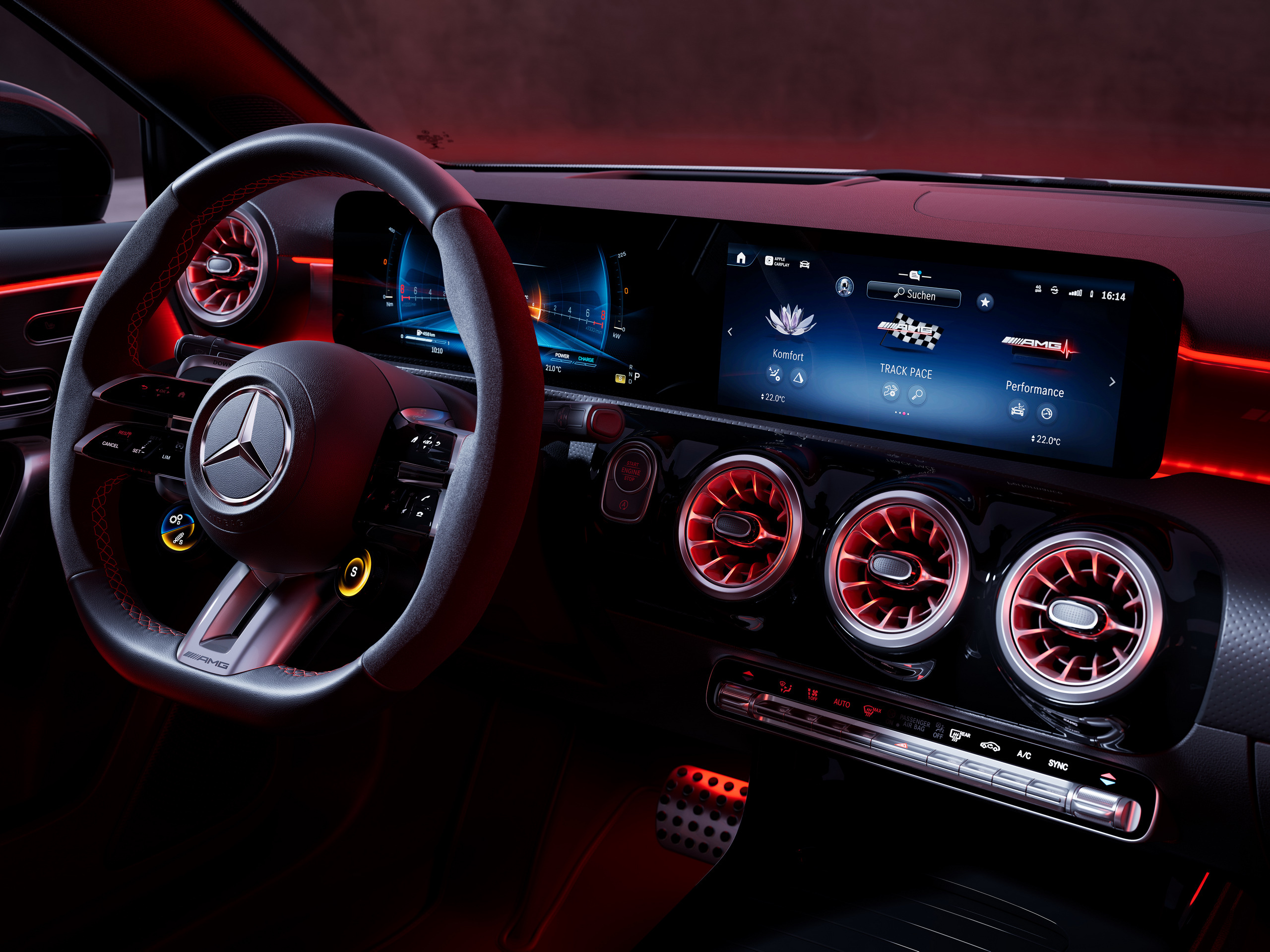
The current A-Class, which launched in 2018, will now stay in production through 2028. A successor is already on the drawing board. The next generation is expected to adopt the MMA platform, the same architecture underpinning the new CLA. That would allow Mercedes to offer both combustion and electric variants, maintaining flexibility across markets.
Interestingly, this decision comes after a period of uncertainty. Early in 2025, Mercedes announced that it would discontinue the A-Class after the current generation, as part of a plan to streamline its small car range.
A few months later, it appeared to pivot, with reports in September suggesting the brand’s new entry-level vehicle would be a compact SUV. Whether that plan is still in motion, or if the A-Class will continue in hatchback form, remains unclear.
Hungary’s Growing Role
The move to Hungary also serves another purpose. By relocating A-Class production, Mercedes frees up capacity at the Rastatt plant for upcoming MMA-based models, including the new CLA.
The expansion in Hungary will be accompanied by significant hiring. Around 3,000 new workers are expected to join the existing 4,500-person workforce at the Kecskemét site, further deepening the company’s investment in the region.