

- Cash-strapped Aston Martin is cutting up to one in five of its workers.
- Brand’s operational losses jumped from $134 million to $350 million.
- Job losses and delaying EV development make up the turnaround plan.
Aston Martin has always sold drama, but lately most of it’s been happening in the finance department. The British icon just confirmed it’s cutting up to 20 percent of its workforce after a bruising 2025 that saw losses widen and global tariffs take a hefty toll.
The numbers make for uncomfortable reading. Revenue fell 21 percent to £1.26 billion ($1.7 billion) versus 2024, operating losses grew 161 percent, from £99.5 million ($134.3 million) to £259.2 million ($350.4 million). On a reported basis, the company posted a £493 million ($665.6 million) loss for the financial year (2025).
Furthermore, output dropped 10 percent to just 5,448 cars, compared with more than 6,600 just two years ago. That’s not shaken and stirred, it’s properly rattled.
Tariff Roadblocks
“An unprecedented backdrop of geopolitical uncertainties and macroeconomic pressures, including heightened tariffs in the US and China, weighed on our performance,” CEO Adrian Hallmark admitted. In other words, building gorgeous, expensive grand tourers and luxury SUVs and launching supercars without the security of a big automaker group owner is hard enough, and a trade war definitely doesn’t help.
Related: Aston Martin Sells Its Own Name To Its Own F1 Team
Those tariffs have been particularly disruptive. The new US import rules, beginning 12 months ago shortly after President Trump took office, were so bad that Aston actually stopped sending cars across the Atlantic briefly, though the UK PM Keir Starmer did eventually negotiate a deal with Donald Trump.
“I don’t want to blame Donald Trump for all of our woes, but he was certainly a big part of the problem that we faced last year,” CEO Adrian Hallmark told Bloomberg. “We set off to get to that breakeven point in 2025 — we missed it by quite a margin.”
And over in China, the ultra-luxury market cooled dramatically, especially for Western brands. Asia Pacific volumes fell 21 percent, underlining just how fragile demand has become in what used to be a growth region. China was singled out as especially subdued, with additional changes to luxury car taxes from July 2025 compounding the slowdown.
EVs Can Wait
To steady the ship, Aston is swinging the cost-cutting axe. Sending one in every five workers packing is expected to save around £40 million ($54 m). The company also anticipates roughly £15 million in associated transformation cash costs tied to the restructuring program.
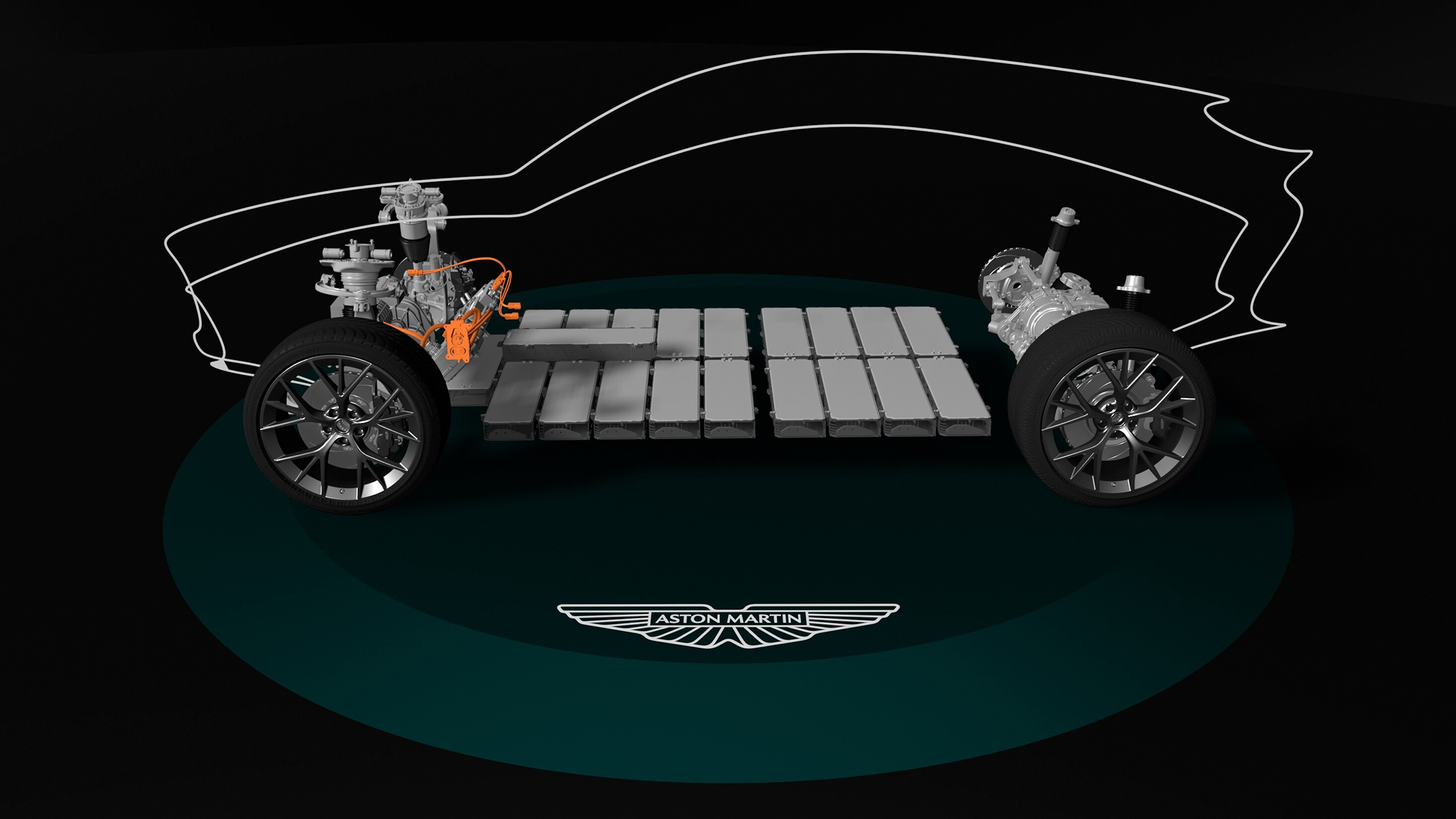
It is also trimming future spending by delaying its EV plans, a move that will reduce its five-year development budget from £2 billion ($2.7 bn) to £1.7 billion ($2.3 bn).
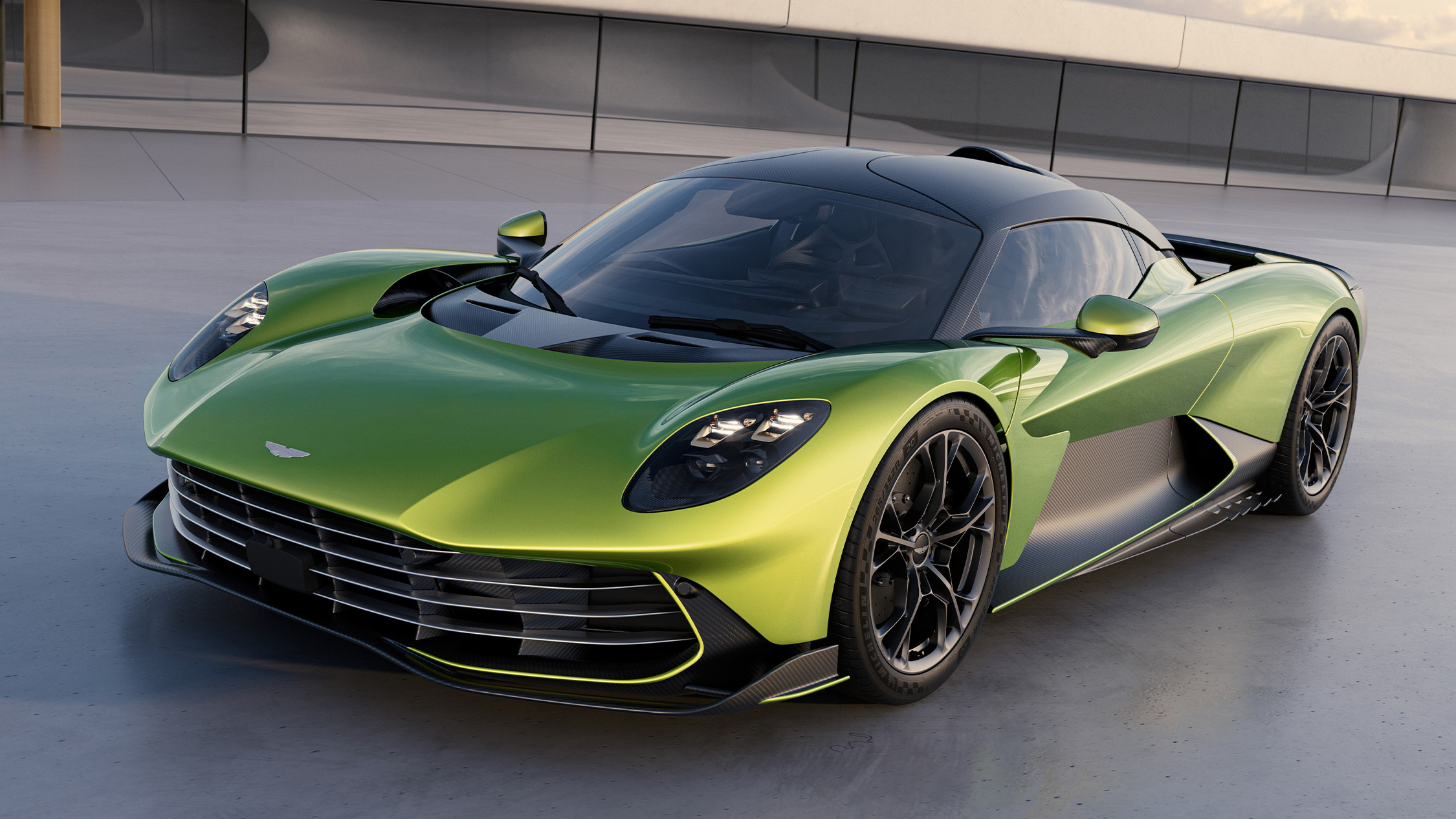
There is some glimmer of a silver lining. The Valhalla hybrid supercar finally entered production, with 152 deliveries in Q4 helping boost average selling prices. A further 500 Valhalla deliveries are expected in 2026, which the company says should materially improve product mix and margins.
“In FY 2026, we expect to deliver a material improvement in financial performance,” Hallmark says. Let’s hope so.