

- China’s court says driver assist never legally replaces the driver.
- Using cheat gadgets to fake attention may increase liability.
- Sleeping or using a phone while using automation can lead to charges.
Autonomous driving tech is getting better all the time, and confidence in it has grown alongside those advances. Despite that progress, China’s highest court just laid down the law. No matter how good it gets, the human behind the wheel is still legally responsible for what happens while driving. It’s a ruling that could have wide-ranging effects.
The Supreme People’s Court of China has released a new set of guidelines focused on road safety, and one of the key takeaways directly addresses the growing use and misuse of driver-assist systems.
A Clear Line On Legal Responsibility
According to the ruling, activating assisted-driving features does not transfer the role of “driver” to the vehicle itself. Instead, the person who activated the system remains the legal operator and carries full responsibility for safe operation.
More: China Is Banning Tesla-Style Door Handles
The decision, first reported by Autohome, comes as advanced driver-assistance systems become increasingly common across China’s fast-growing EV and tech-heavy vehicle market.
Authorities specifically referenced situations where drivers disengage from the task altogether after enabling automation-like features, including playing with phones, sleeping, or otherwise failing to monitor the road.
Crackdown On Smart Driving Gadgets
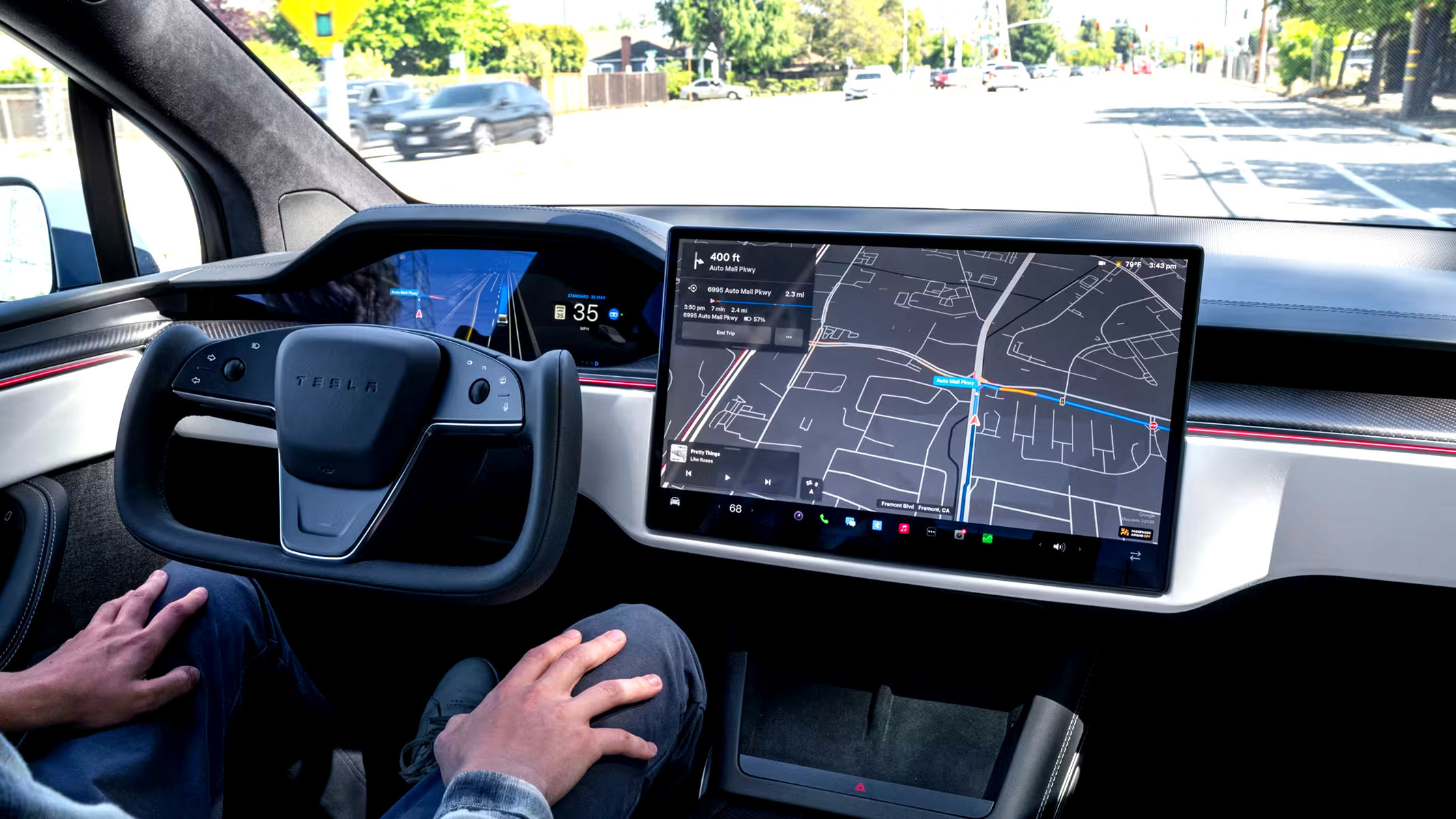
The guidance also targets what the court called “Smart driving gadgets” that allow drivers to trick driver monitoring systems into thinking that the driver is engaged or paying attention to the road. This ruling essentially ends any question about responsibility, regardless of whether a human driver is using a cheat device or not. If they’re in the driver’s seat, it’s up to them to ensure the vehicle moves safely around its environment.
Interestingly, this echoes what several courts in the U.S. have already found. Plenty of individuals have sued Tesla, specifically calling out the way that its CEO and the brand itself have spoken about Autopilot and the arguably misleadingly named Full Self-Driving (Supervised) over the years.
More: China Does What Many Drivers Wish Someone Would Do About Car Screens
In the vast majority of cases, Tesla has come away completely victorious in arguing that the driver is responsible for monitoring the car and its autonomous features. While a ruling from last year in Florida decidedly went against the automaker, that case is still tied up in appeals.
Global Implications For Automakers
This move from the Chinese government could send ripples into other parts of the world. After all, the nation’s recent ban on retractable door handles and yoke steering wheels, along with a pending decision that could require automakers to use physical buttons instead of relying completely on touchscreens, will almost certainly influence how cars are designed worldwide.