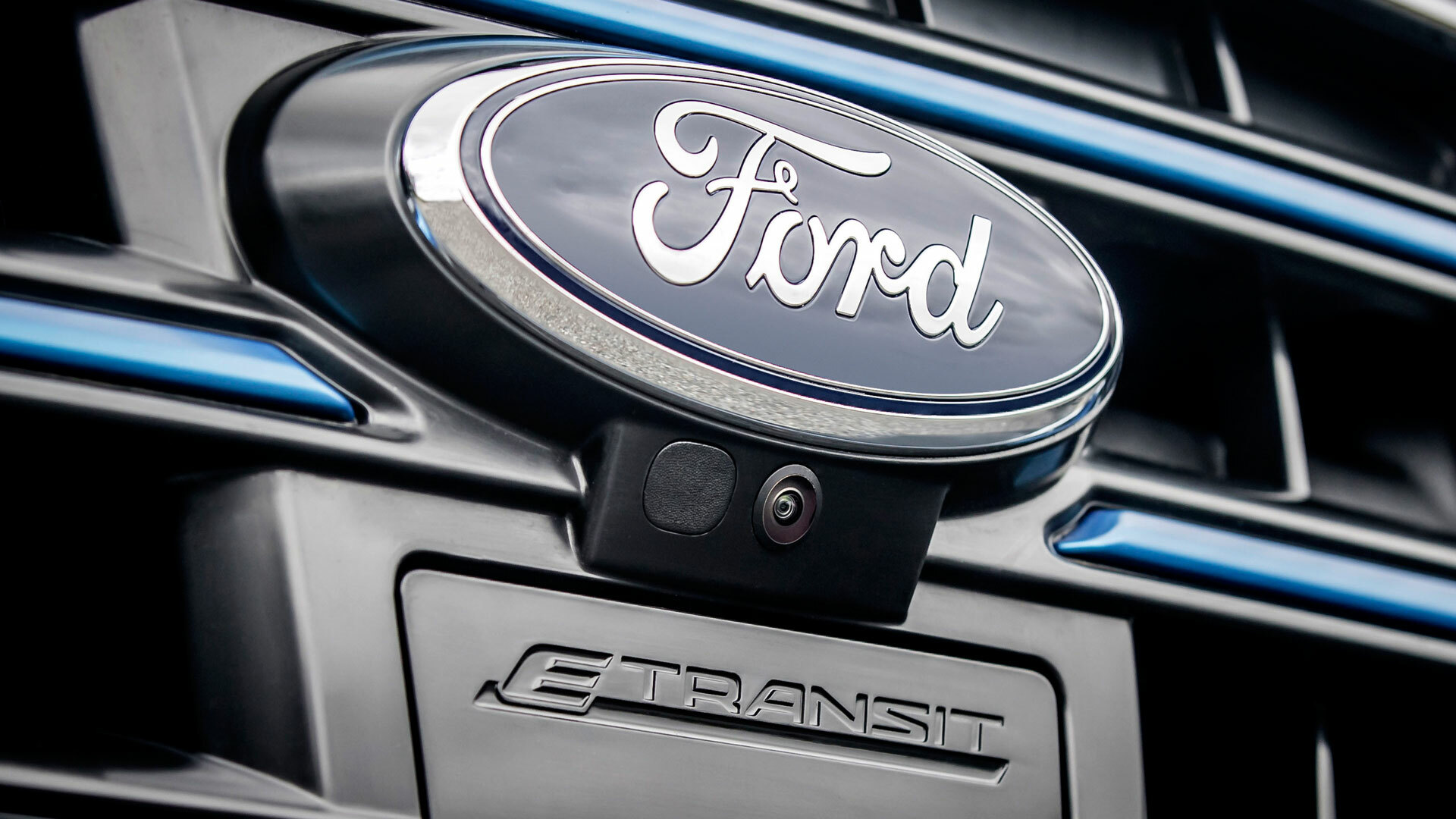









- New plan aims to help the EU better compete with China.
- Ford wants the UK and Turkey included in the rules.
- It warns narrow definitions could disrupt supply chains.
The European Union wants to supercharge local manufacturing with its new ‘Made in Europe’ strategy. Ford, however, thinks the small print could use some work. The carmaker argues that lawmakers must ensure the new industrial policy also includes the UK and Turkey, neither of which are EU members but both remain deeply embedded in Europe’s manufacturing backbone.
Earlier this month, more than 1,100 business leaders and CEOs across Europe co-signed a newspaper article published throughout the bloc, backing locally manufactured products. The proposal, known as the Industrial Accelerator Act, aims to help the EU compete more effectively with cheaper imports from overseas.
Read: The EU Blinked And Gas Cars Live To See Another Generation
Shortly after signing on, Ford of Europe president Jim Baumbick raised concerns that the ‘Made in Europe’ definition might be too narrow if it excludes Turkey and the UK.
“Ford supports strengthening Europe’s industrial base, but the planned ‘Made in Europe’ rules must remain open to trusted partners like the U.K. and Türkiye,” he said, according to Daily Sabah. “Our European factories depend on deeply integrated supply chains in the U.K. and Türkiye, and excluding them would weaken production inside the EU itself.”
A Question Of Definition

Ford treats Turkey and the UK as core pieces of its European supply chain, largely because it builds plenty there. This is not a token presence. It is production that feeds directly back into the wider network.
In the UK, the Dagenham and Halewood plants turn out diesel engines, transmissions, and electric drive units. In Turkey, Ford operates several factories with local partner Koç Holding, producing models such as the Transit, Transit Custom, and Courier. These are workhorses of the lineup, not niche side projects.
Turkish officials, unsurprisingly, would prefer not to be written out of the script.
“Europe strengthening its own industry is understandable,” said Nail Olpak, head of the Foreign Economic Relations Board in Turkey. “But we cannot accept a scenario in which Türkiye, which has been integrated with European industry for 30 years and has strong production capabilities, is excluded because of this approach.”