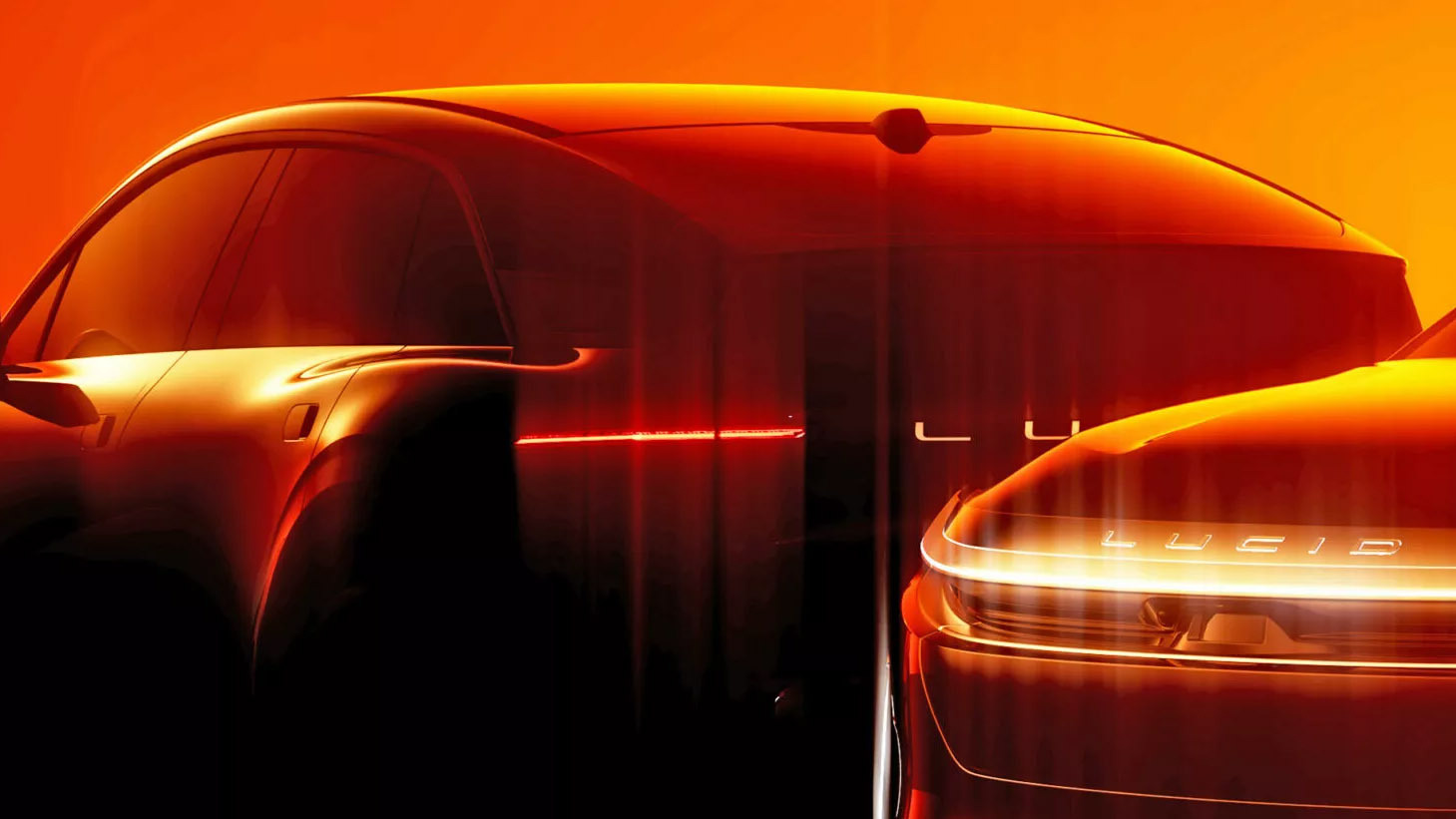


- Layoffs focus on salaried corporate roles.
- Arizona factory workers are not affected.
- Profitability now defines Lucid’s strategy.
The automotive industry never slows down, and EV brands feel that pressure more than most. Lucid is responding to the market and to its own position by cutting 12 percent of its workforce. The move comes as it attempts to tighten spending and move closer to profitability as it ramps up Gravity production.
The layoffs were confirmed to Bloomberg in an emailed statement, following the leak of an internal memo from interim CEO Marc Winterhoff that circulated within the company and was seen by Techcrunch.
In the memo, Lucid addresses the cuts head on. “Saying goodbye to colleagues is never easy,” Winterhoff wrote. “We are grateful for the contributions of those impacted by today’s actions, and we are providing severance, bonus, continued health benefits, and transition support to help them through this period.”
More: Lucid Built Its First $50K Midsize EV Prototypes, But Still Hasn’t Shown A Single One
Bloomberg reports that the majority of workers affected are salaried and corporate roles. Hourly workers tied directly to manufacturing, logistics, and quality operations at Lucid’s Arizona facility are not expected to be part of this reduction. That’s not all that shocking, given the brand’s need to ramp up production of the Gravity SUV and continue development of its Midsize platform.
“Importantly, today’s actions do not affect our strategy,” Winterhoff wrote. “Our core priorities remain unchanged, and we continue to focus on the start of production of our Midsize platform. With disciplined execution, we are also focused on further expansion into the robotaxi market, continued ADAS and software development, and growth in sales of Lucid Gravity and Air across existing and new geographies.”
A Murky Future
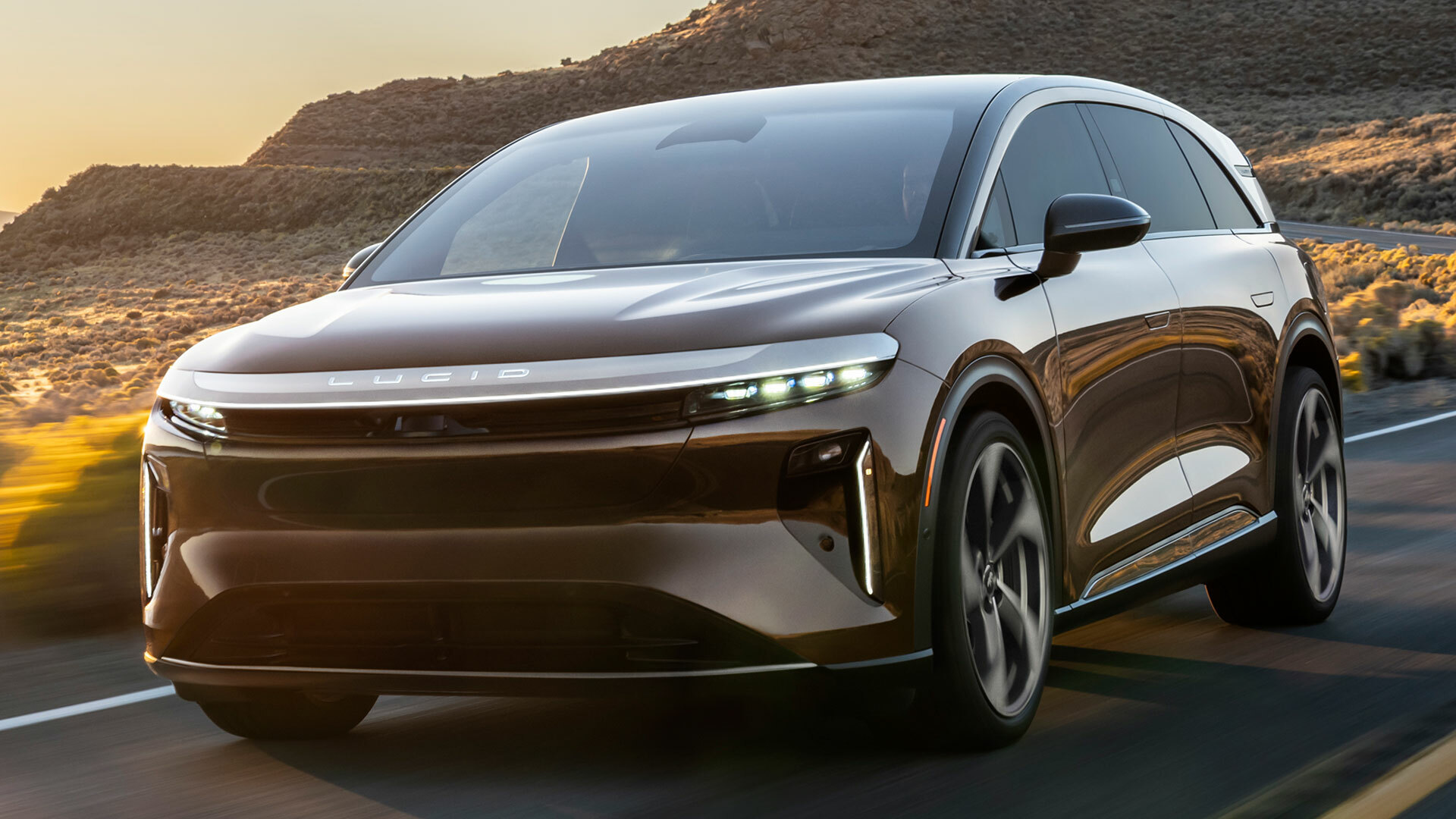
Right now, Lucid’s momentum is almost entirely pinned on the Gravity SUV. It undoubtedly broadens appeal beyond the ultra-luxury Air sedan expanding its reach to a more popular segment. That said, it’s not exactly what most buyers would consider mainstream or affordable.
That’s why the Midsize platform is so key to Lucid’s future. Tesla’s Model 3 and Model Y turned a niche player into a volume powerhouse, and Lucid is hoping for a similar inflection point.
Rivian is following a similar playbook with the R2. By the end of the year, we should have a clearer picture of who is getting closer to that goal. In a cooling US EV market, profitability is no longer a nice to have. It is the whole game.