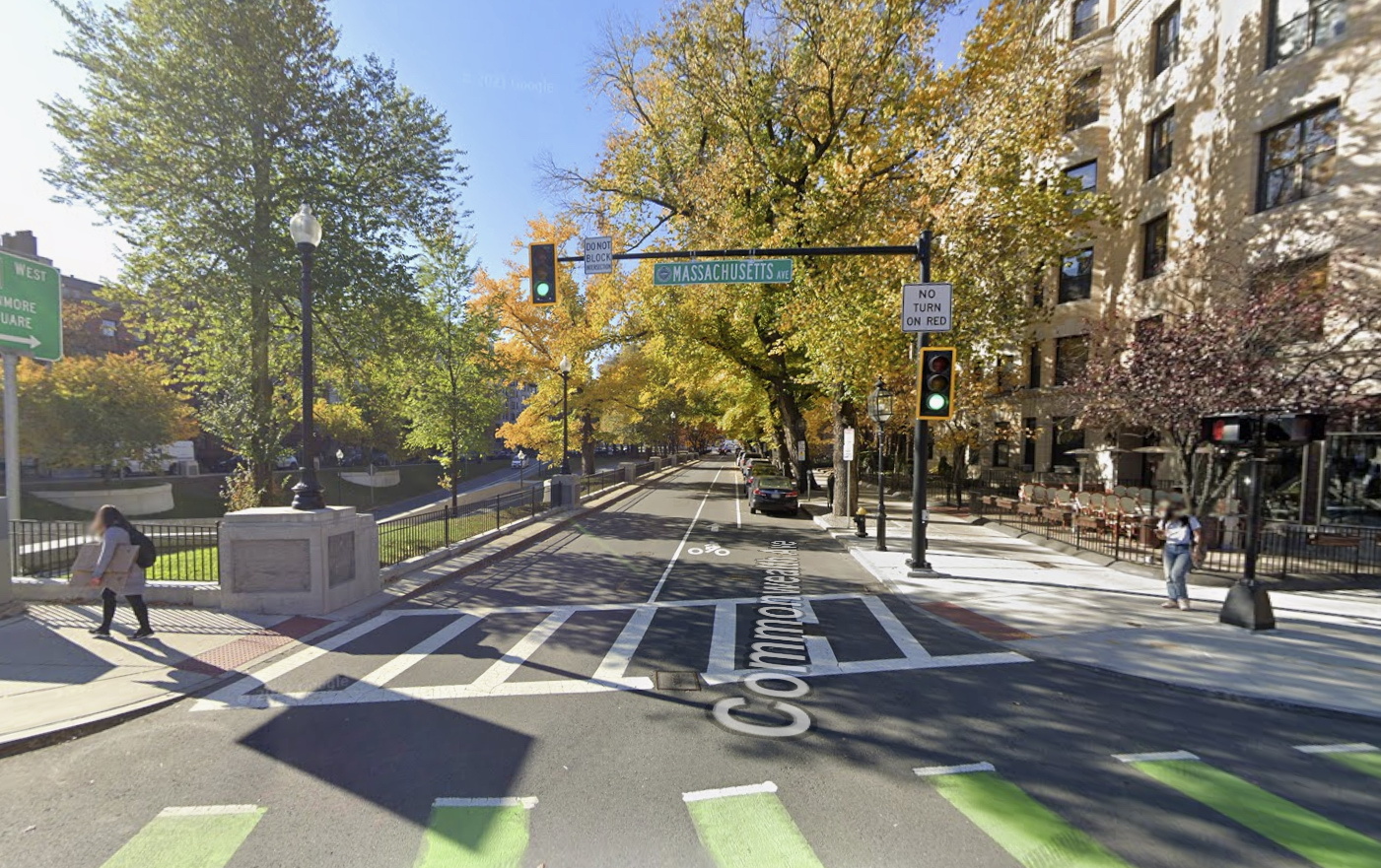


- Lawmakers push speed cameras despite privacy concerns.
- Supporters say cameras save lives; critics warn on bias.
- New limits aim to curb misuse; equity concerns linger.
Massachusetts already allows police to track vehicles through widespread automatic license plate readers. What the state hasn’t allowed to this point, at least for now, is similar technology that can automatically ticket drivers who are speeding or blowing through red lights. That disconnect is now at the center of a debate in the government.
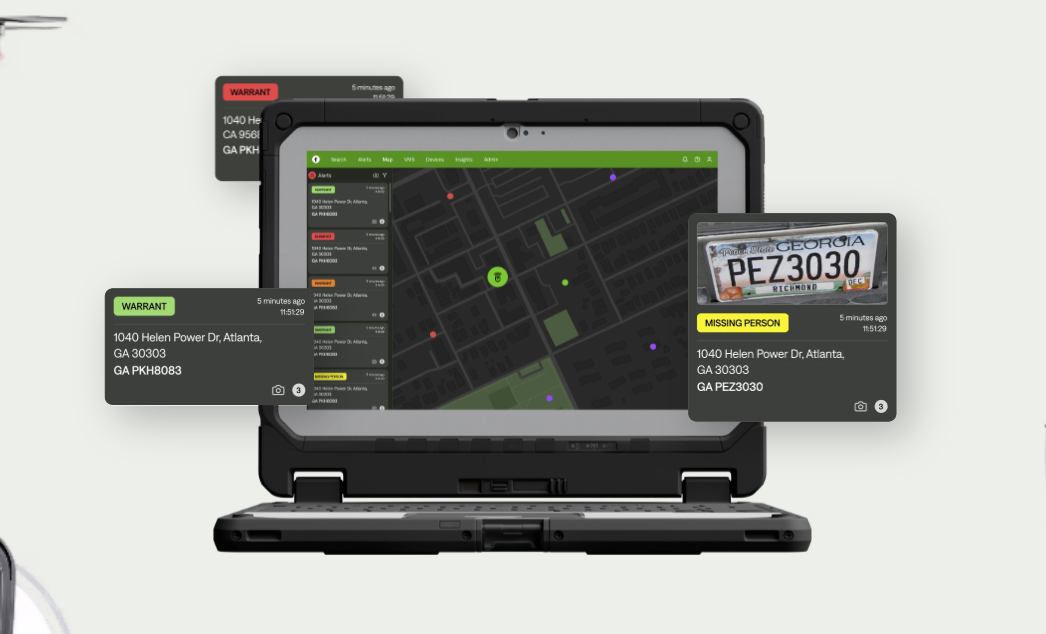
More: Flock Traffic Cameras Track Everything, Except The Cops Misusing Them
A mix of Democratic lawmakers, traffic-safety advocates, and Governor Maura Healey are backing legislation that would finally bring automated traffic enforcement to the state. Supporters argue the logic is simple: if cameras can already monitor where cars go, why not use them to reduce crashes and save lives?
Tracking Versus Ticketing Debate
According to the Boston Globe, State Representative Steven Owens put it bluntly, saying police can legally track vehicles, but cameras catching traffic violations are somehow “out of bounds.” For many lawmakers, that feels backwards. If anything, tracking people should be more out of bounds, but traffic cameras could do genuinely positive work. The proposals on the table vary.
One plan allows speed cameras only near school zones and active construction sites. Drivers caught going 6 mph or more over the limit in school zones or 11 mph over in work zones could face fines between $25 and $100.
Cities would be limited to roughly one camera per 5,000 residents, meaning Boston alone could deploy around 135 devices. More expansive bills would go further, letting cities place cameras on any roadway and use them for red-light violations or blocked intersections, with fines rising as high as $150.
The Critic’s View
Understandably, not everyone is on board with this push. Privacy advocates rightly call out concerns over privacy, data sharing, and overall mission creep. They say that without strict oversight and clear reporting requirements, camera enforcement could create more issues than it solves.
Lawmakers have tried to address those fears with specific language about what photos get taken, how they can be used in court, and the requirements of destruction after cases are resolved. At this point, Bostonians will have to see if traffic cameras survive the ongoing budget process. If they do, it’ll require folks to slow down to avoid an automated ticket.