











- Mazda switched to angled stitching to save on production costs.
- CX-5 gains a bigger screen with Google connectivity and voice.
- Price for base 2026 CX-5 rises to $29,990 before destination.
As tariffs put pressure on the market, companies are quietly rethinking the little things. Small design tweaks and material swaps are becoming tools of survival, allowing companies manage costs without triggering price sticker shock. In Mazda’s case, even the stitching on a steering wheel is up for reconsideration.
It’s part of a wider push to absorb a 15 percent US tariff without cutting too far into profits on one of Mazda’s key models.
Read: Only $90 Separates The New CX-5 From The CX-50
As Mazda chief financial officer Jeffrey Guyton explained, most of the company’s steering wheels have traditionally featured leather stitched in a straight horizontal line, carefully aligned along a curve. But Mazda discovered that customers don’t seem to care about this detail and aren’t put off by the angled stitching used by some competitors.
So for the all-new CX-5, Mazda has started using angled stitching, which is less expensive to produce.



“That’s great attention to detail from Mazda, but when we look at it, our customers are not really valuing that approach more than our competitors, but it costs us more money,” Guyton revealed in an interview with Auto News. “Our competitors have an angled appearance to the stitches, but the same leather.”
Where The Money Goes
Guyton noted that Mazda has “put the money where the customer is going to see it,” describing the stitching change as just one of “many, many, many” cost-cutting measures. Another example involves the SUV’s steel structure, which benefited from Mazda’s close collaboration with Nippon Steel.
CX-5 Tech Gets An Upgrade
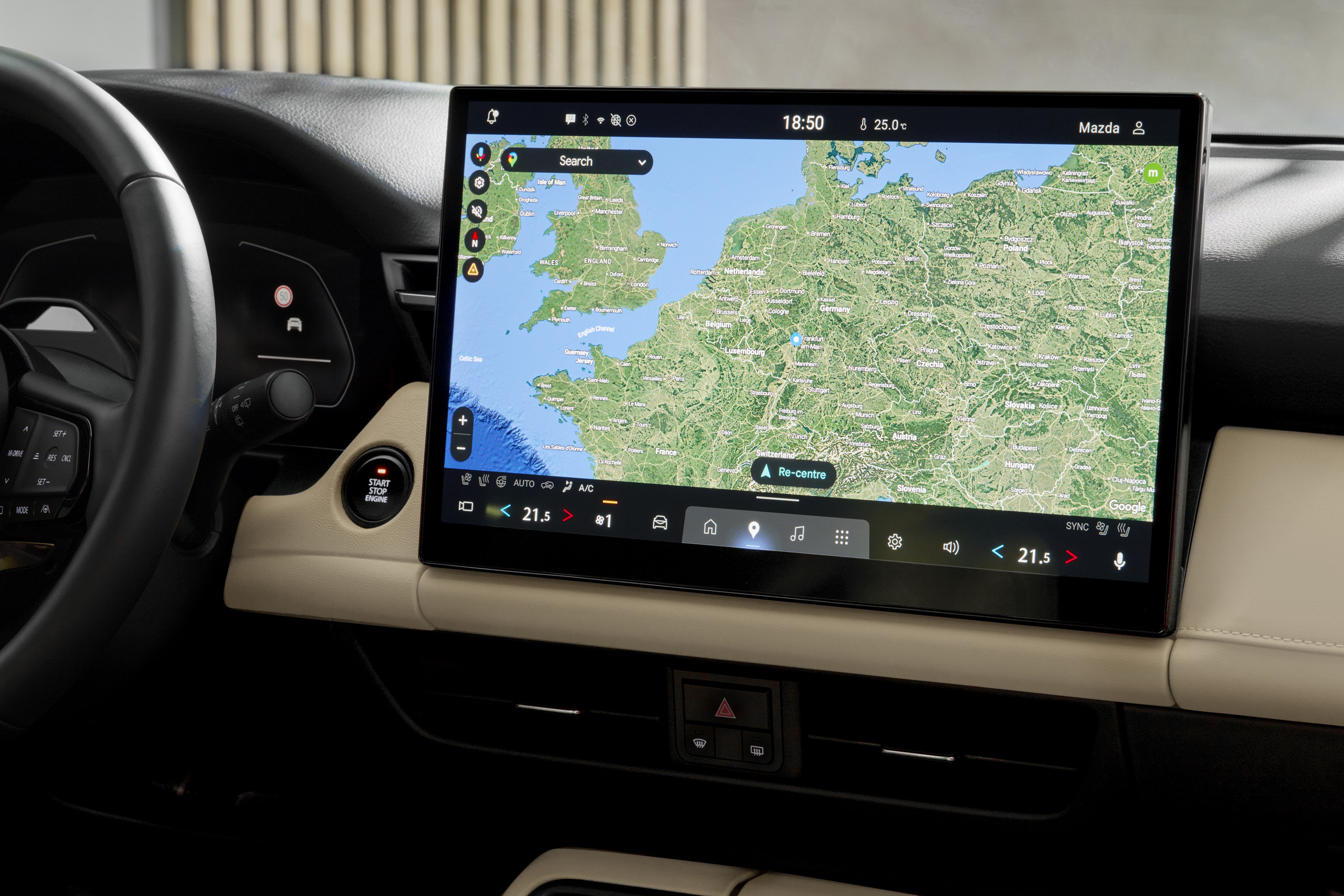
One place Mazda has added clear value is in the new CX-5’s much larger infotainment display, now featuring Google connectivity and improved voice recognition.
Production of the new CX-5 for the US market began in January, slightly delayed from December to allow more time for quality verification. Given that the CX-5 accounts for a quarter of Mazda’s global sales at around 350,000 deliveries last fiscal year, the company is taking no chances.
“Our foremost challenge now is safely delivering the new CX-5 to customers and to the market, so that we can deliver the profit target that we have set,” CEO Masahiro Moro said during a financial results presentation.
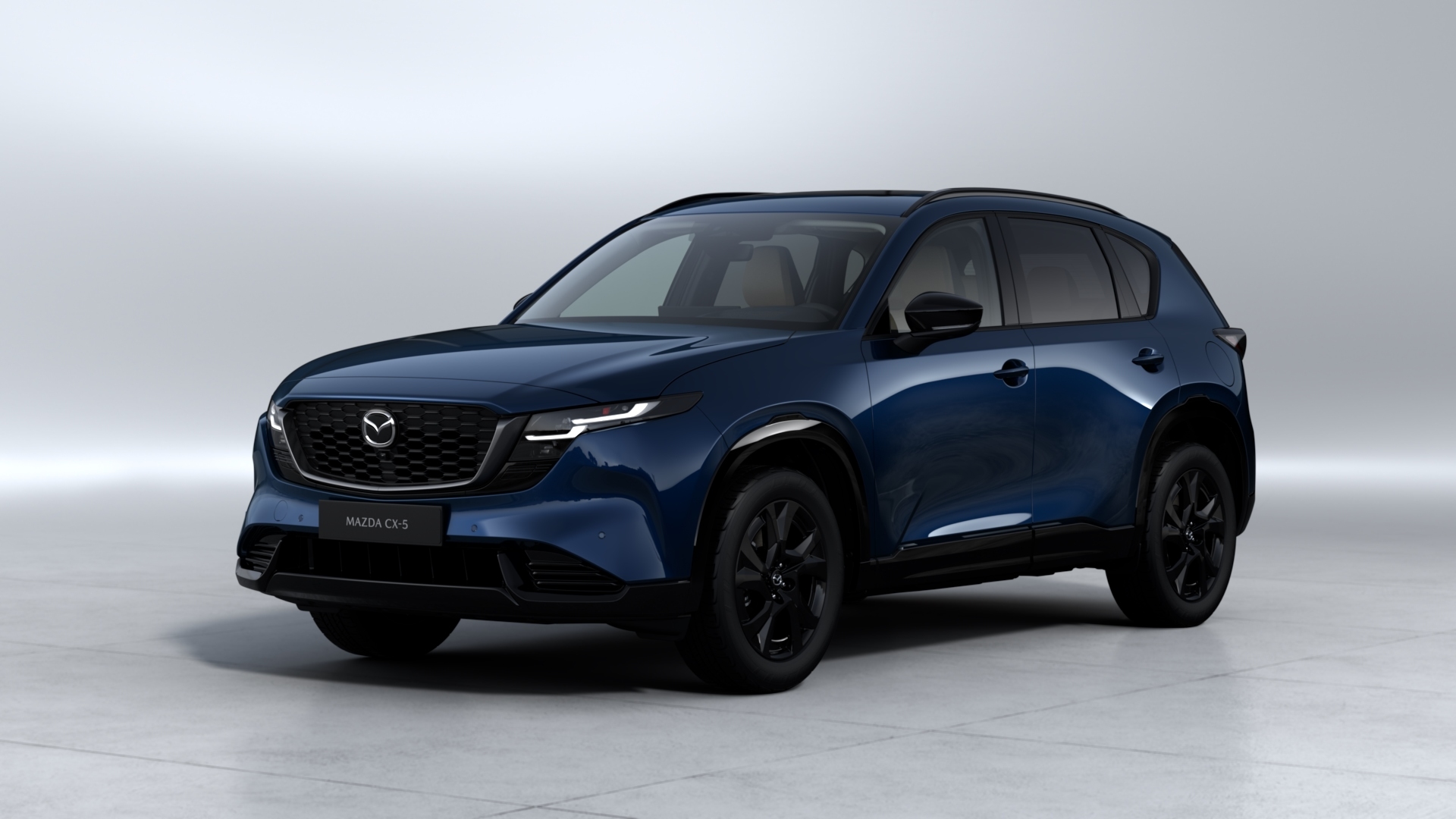
Prices for the base 2026 CX-5 2.5 S start at $29,990, not including a $1,495 destination fee, $940 above the previous model. Also available are the 2.5 S Select at $31,990, the 2.5 S Preferred at $34,250, the 2.5 S Premium at $36,900, and the 2.5 S Premium Plus at $38,990.
A Tough Quarter For Mazda
The cost-cutting drive comes as Mazda contends with a difficult financial year. Operating profit dropped 32 percent to ¥30.8 billion (approximately $209 million) in the quarter ending December 31, while net income fell 45 percent to ¥30.6 billion (about $208 million).
For the full fiscal year ending March 31, Mazda expects operating profit to sink 73 percent to ¥50 billion (roughly $340 million), and net income to fall 82 percent to ¥20 billion (around $136 million). Net tariff costs for the fiscal year are projected at ¥162.5 billion, which translates to approximately $1.1 billion.


