










- Porsche may cancel its electric 718 due to rising program costs.
- Audi’s Concept C depends on the same shared EV platform.
- Dropping the platform could delay or derail Audi’s sports car.
It’s a new year, and for Porsche, it begins with a leadership shakeup that might reshape more than just boardroom priorities. The brand has a new CEO, Michael Leiters, and within days of stepping in, he’s reportedly reconsidering the future of the all-electric 718 Boxster and Cayman.
That would be a huge reversal of course for the automaker, but here’s the real kicker: new reports suggest the unceremonious end of Audi’s new Concept C sports car before it ever reaches production.
Read: Porsche’s New CEO Might Kill The Cayman, Boxster EVs Before They Even Launch
Leiters has reportedly begun a sweeping review of Porsche’s operations as sales slump in China and profit margins took a big hit. One of the biggest question marks is the electric 718 program, which has been plagued by delays, ballooning costs, and battery supply issues following the bankruptcy of Swedish cell supplier Northvolt.
Electric Sports Cars in Limbo
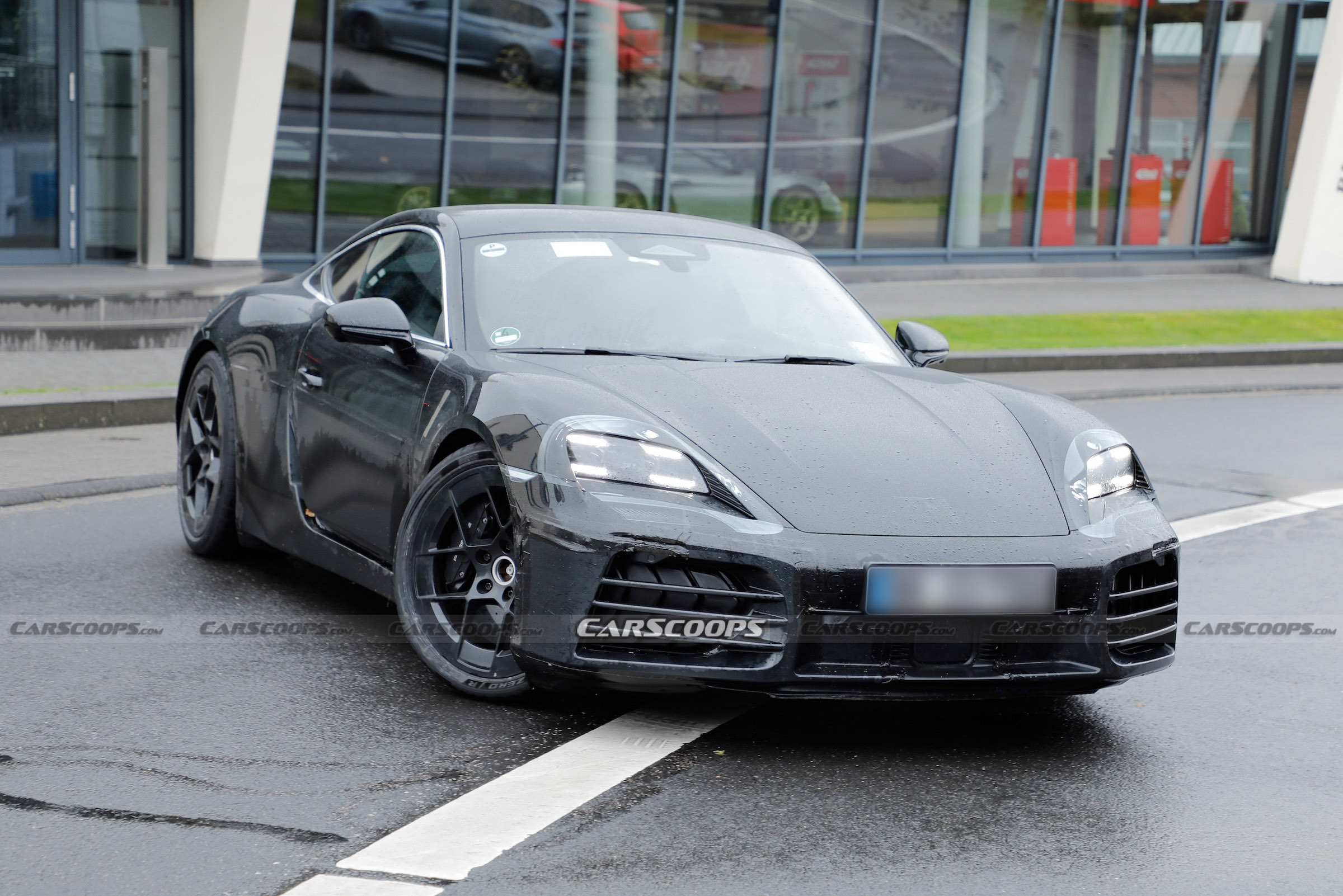
Insiders told German publication Handelsblatt that the battery issue has become particularly thorny, and finding a viable replacement would come with significant cost increases. Some within Porsche lay blame at the feet of former CEO Oliver Blume, saying he let the program’s problems drag on for too long.
More: Porsche Posts Its Biggest Drop In Sixteen Years
According to sources cited by Bloomberg, Porsche is now actively debating whether continuing development of the electric Cayman and Boxster even makes financial sense.
Audi CEO Gernot Döllner has tied much of his turnaround strategy to a new halo model known internally as Concept C and rumored to revive the TT nameplate and centering much of its future design around it. And the trouble is that it’s engineered around the same Porsche-developed EV platform intended for the electric 718.
Can Audi Go It Alone?
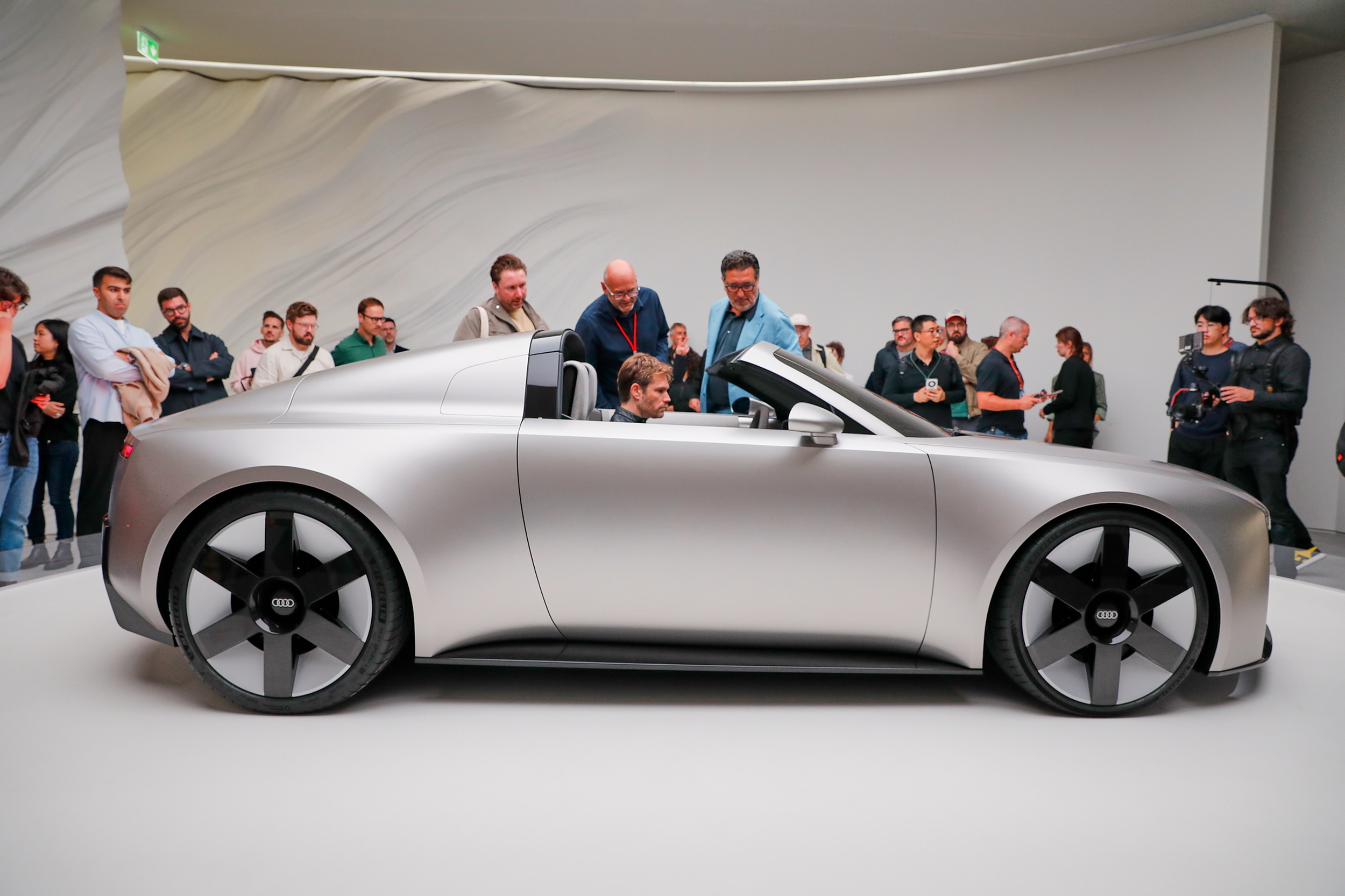
The shared architecture was supposed to deliver cost savings and accelerate development. Without it, Audi may be forced to either shelve the Concept C entirely or buy and finish the platform independently.
Insiders told the German publication indicate that such a move could cost Audi a nine-figure sum. There’s no telling how long it would take Audi to sort out the development and get a production car ready to roll. Help isn’t coming from any other direction, either.
Volkswagen Group’s next-generation SSP platform, which will underpin most future EVs across its brands, isn’t expected to be ready before mid-2028. All of this is going on as Porsche is struggling to manage shifting industry sands. Sales of the Taycan have fallen off a cliff in China, and tariffs are making things a lot harder in the U.S. as well.

Projections for China, once Porsche’s biggest growth engine, have been cut from 100,000 units to just 30,000 to 40,000 in 2026, with the brand recently deciding to shut down more than a third of its dealerships in the country.
More: The Concept C Is So Close To Production Audi Got It Street Legal
Audi, for its part, publicly showcased the Concept C in Milan last September during a high-profile launch event complete with celebrity appearances. At that event, Döllner described it as “the first visible evidence of Audi’s transformation as a company.” He emphasized that the model marks a break from the brand’s past design language and lays the groundwork for what comes next.
Concept C is Key to Audi’s Lineup

That foundation isn’t limited to design either. The Concept C’s tech platform is intended to underpin Audi’s future lineup. Originally, the sports car was scheduled to launch in 2027.
The big question now is whether Döllner will stick with Leiters’ cost-cutting approach or push ahead with Concept C, even if it means spending hundreds of millions to take over and finish the platform on Audi’s own terms by 2027.
For now, both companies are staying quiet. Porsche says no final decisions have been made, while Audi declined to comment on the Concept C’s future.