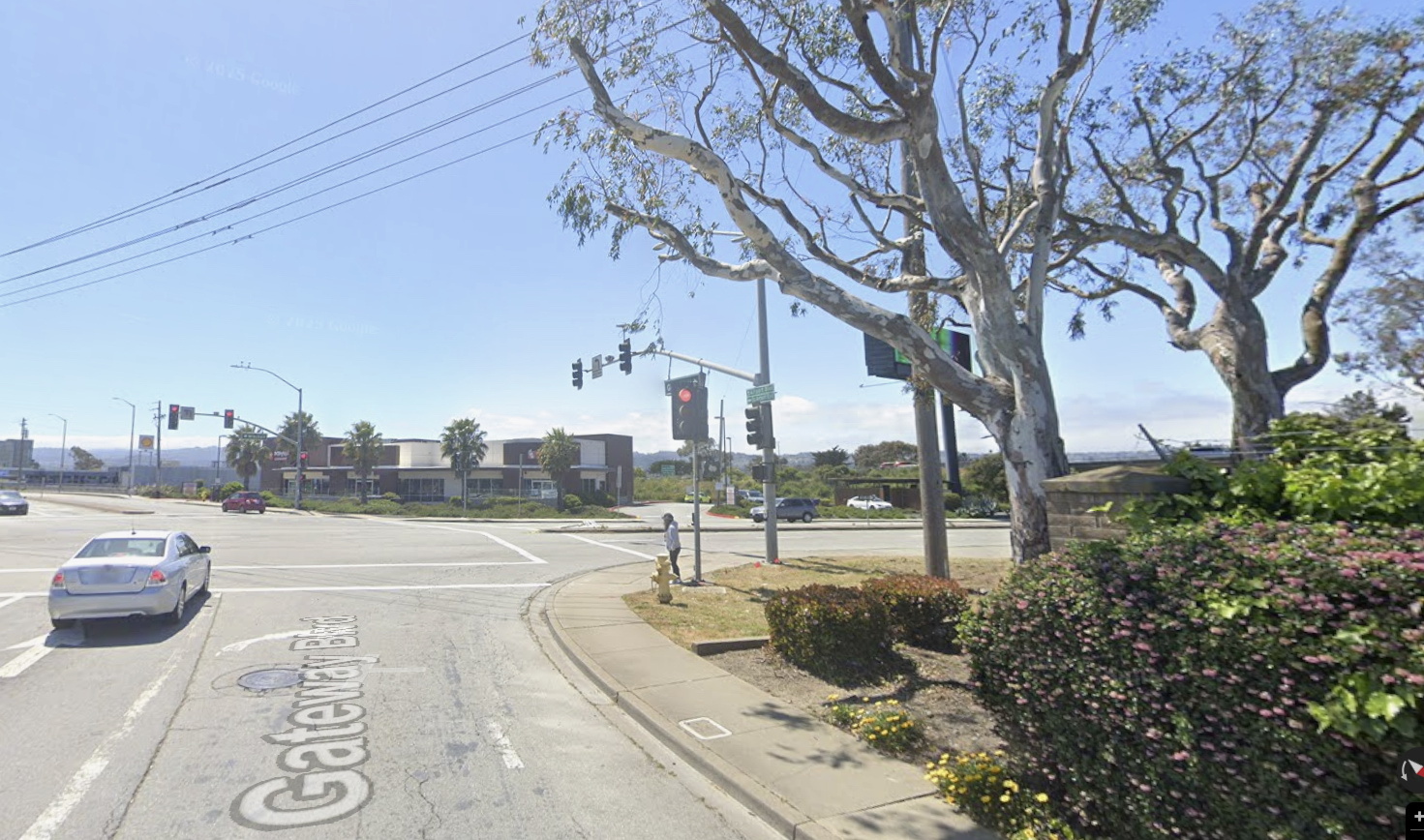


- Automated cameras produced the bulk of San Francisco’s citation increase.
- Early data shows meaningful local speed reductions at camera sites.
- Cameras raise enforcement numbers but don’t fully replace police work.
San Francisco switched on speed cameras in 2025 to handle enforcement that would otherwise fall to police officers already stretched thin. When officials installed cameras at 33 roads and intersections last year, they pitched it as a light tap on the shoulder for drivers to be more careful, not the start of a citation conveyor belt.
The results, however, told a different story. Speeding citations jumped by 369 percent, rising from just over 26,000 to 122,000, a level the city had not seen in a decade.
Cameras Eclipse Traditional Policing
According to city data obtained by the San Francisco Chronicle, speed cameras generated 91,000 citations in just five months. For context, the San Francisco Police Department issued around 20,000 tickets in a full year, while red-light cameras accounted for about 10,000 annually. Put another way, these cameras didn’t just help to take the load off; they became the biggest enforcement source several times over.
More: A 45,000-Ticket Scandal Threatens To Kill Every Traffic Camera In Arizona
Officials with the San Francisco Municipal Transportation Agency (SFMTA) say this was expected. The agency rolled the program out gradually, beginning with warnings before shifting to fines in August. First-time offenders clocked between 11 and 15 mph over the limit still receive warnings. Go more than 15 mph over, and you’ll get a ticket immediately.
SFMTA believes citations will taper off as drivers adapt. Early data suggests speeding at 15 camera locations dropped by 72 percent after installation. That’s a dramatic shift for a city that missed its 2022 “Vision Zero” target to eliminate traffic deaths and had watched enforcement crater since 2016 amid staffing shortages and increased paperwork requirements.
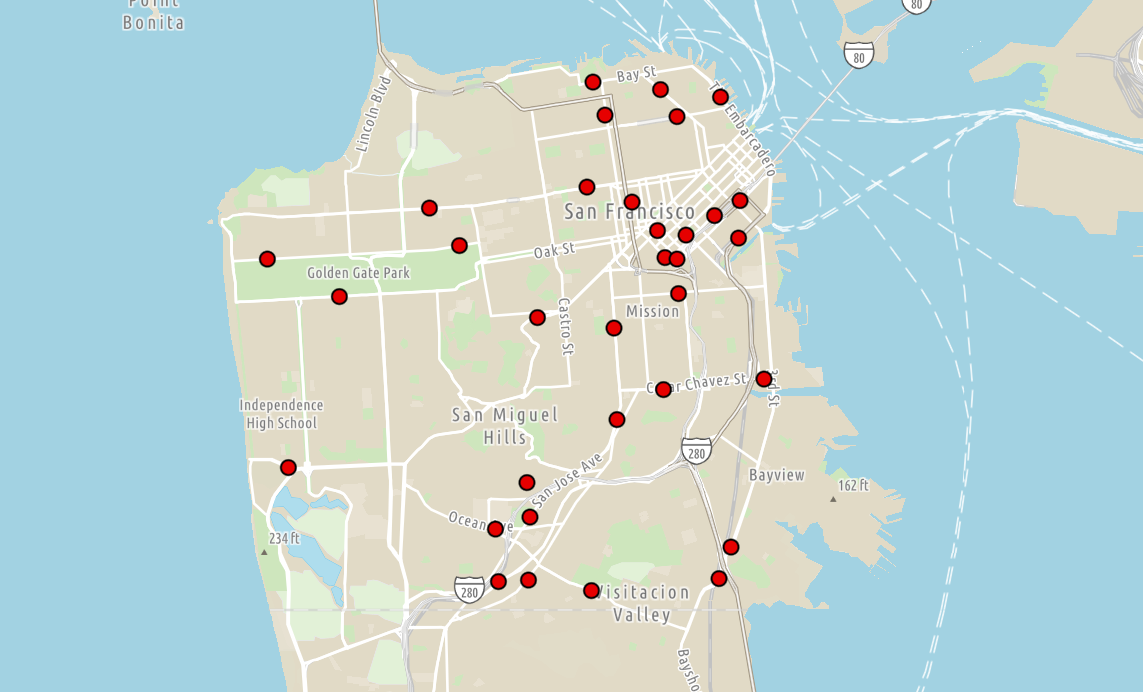
It’s worth noting that data suggests that speed cameras do increase safety and reduce crashes. That said, the IIHS specifically calls on cities to ensure that camera programs are geared “toward increasing safety, not revenue.” For San Francisco, it might be a bit of both.
How Much Could The Cameras Bring In?
While we can’t know the total revenue as government officials haven’t yet released it, one analysis suggested that during the first month, and with 16,555 citations issued, the city would make $1.2 million if all were paid. By that math, we’re talking about a figure not too far off from $10 million. Granted, not everyone will pay their fine, but there’s no question that San Francisco is about to get a big infusion of cash.