









- ALPR networks are being criticized over their use in immigration enforcement.
- More than 50 cities have removed or rejected the ALPR camera systems.
- Privacy concerns for all individuals are driving a growing backlash nationwide.
Traffic cameras pop up in the news more and more lately. This time, though, it’s not because they’re collecting copious amounts of revenue or that they’re being hijacked by criminals. Instead, there’s a new question linked to immigration enforcement.
Are those entrusted with such an important task gaining access to and then using these cameras lawfully? Some municipalities aren’t confident of that, and it’s creating a split across the United States.
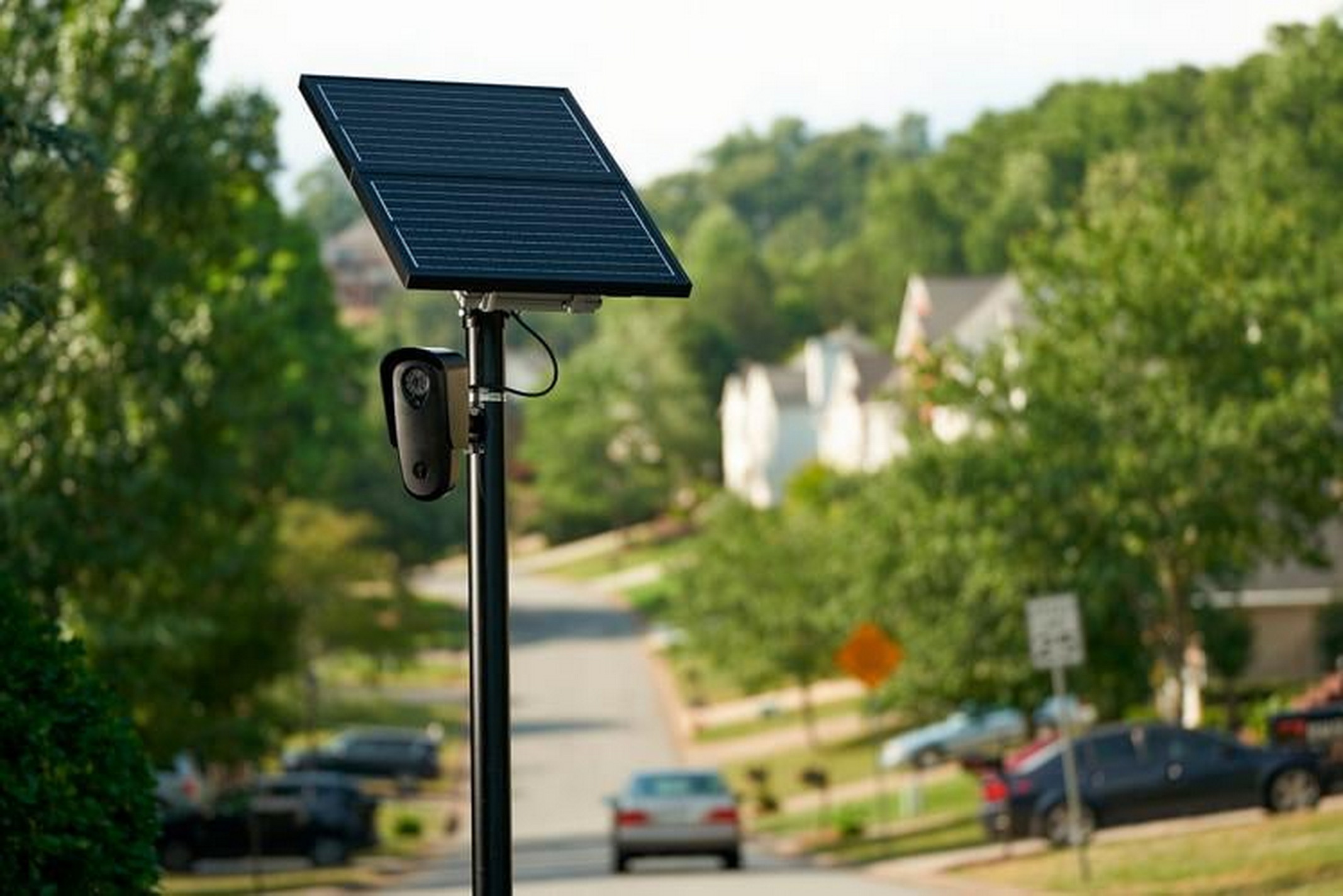
The controversy centers on Flock Safety, one of the largest suppliers of AI-powered license-plate reader systems in the country. Its cameras are used by thousands of police departments and private communities, but concerns about how the data can be shared, especially with federal agencies, have pushed dozens of cities to shut the systems down.
Read: Flock Traffic Cameras Track Everything, Except The Cops Misusing Them
For its part, Flock says that it’s done what it can and that some things are just out of its hands. The company barred federal agencies from its national and state lookup tools last August. “It is a frustrating thing to have so much attention directed at us, specifically when the underlying issues have nothing to do with our technology or our company,” Dan Haley, Flock’s chief legal officer, told the Financial Times.
That said, it hasn’t stopped a wave of concern from citizens who don’t enjoy what they see as a mass surveillance state growing before their eyes. 53 cities across 20 different states have deactivated or rejected Flock cameras. 38 of those have taken place in the last six months, and that’s to say nothing of other camera systems and companies rejected by local governments.

Regardless of which side a local municipality might fall on, the technology isn’t slowing down. Companies are expanding beyond license-plate readers into drones, gunshot detection systems, and real-time crime centers that combine multiple data feeds into a single live surveillance network.
Supporters say tools like these make communities safer. Opponents say they risk turning everyday driving into something that can be tracked, stored, and searched, and the fight over immigration enforcement is making that debate more heated than ever. Flock believes that soon, the public will accept this new level of surveillance. It’s gone as far as to call it a “very rational trade-off.” It remains to be seen if that will be the case or not.