









- Australia says fuel still flowing but rationing remains possible if conflict worsens.
- Panic buying blamed for shortages despite normal supply levels across country.
- Oil shock could push more buyers toward EVs if prices stay high due to conflict.
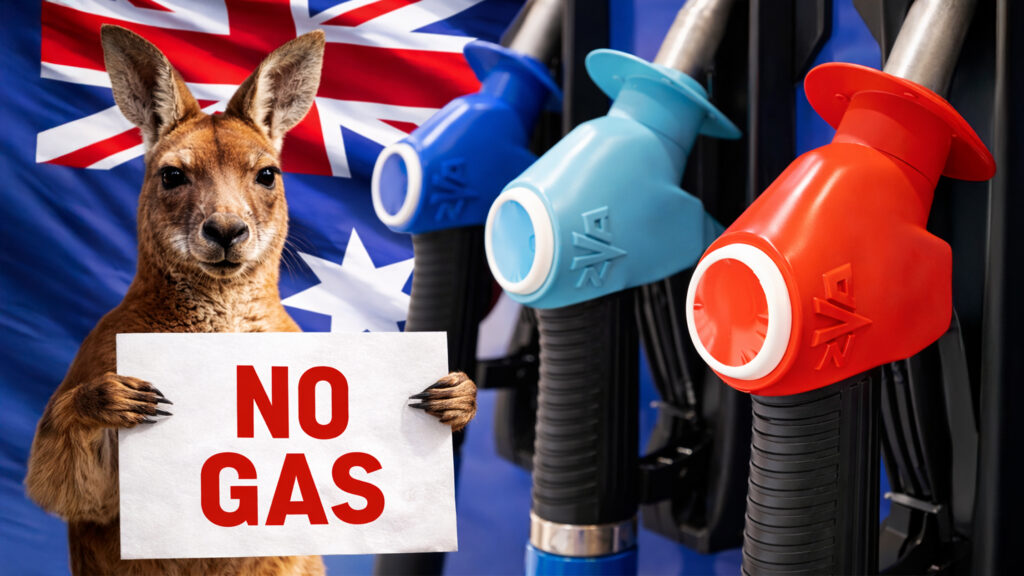
Australia’s government is trying to calm nerves after admitting fuel rationing isn’t off the table. But before any Aussies start hoarding jerry cans and turning their swimming pools and hot tubs into open-air gasoline depositories, officials would like to persuade you that supply is still flowing. The bigger issue, they say, might actually be drivers overreacting.
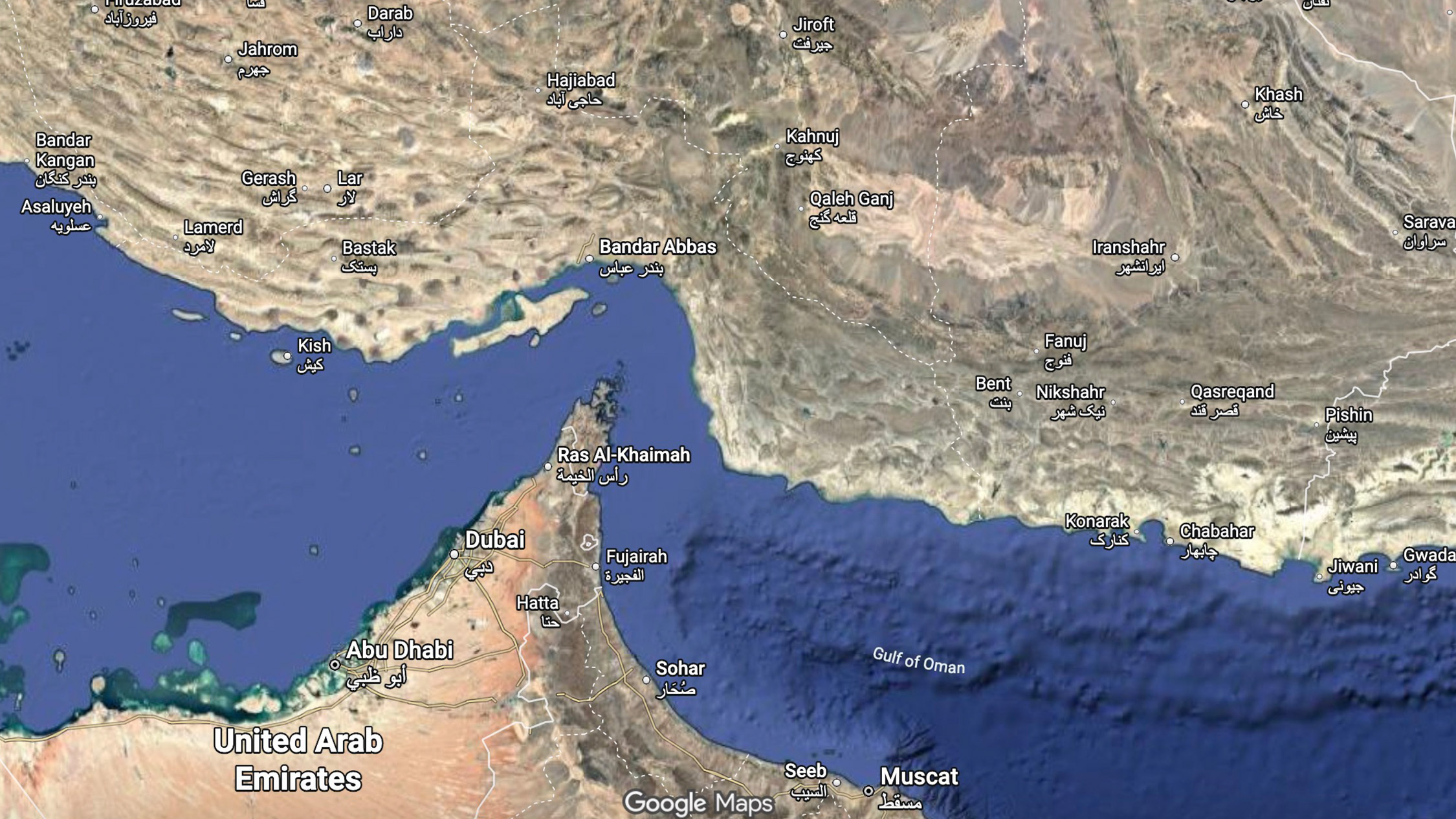
The concern, as if you didn’t already know, stems from the ongoing conflict involving Iran, which has disrupted one of the world’s most critical oil routes. With the Strait of Hormuz effectively shut because tankers aren’t willing to risk being fired on, global supply has taken a major hit, sending prices climbing and sparking fears of shortages and Australia’s first fuel rationing since 1979.
Related: EV Searches Jump 20% In One Week Of Rising Gas Prices
“Obviously [the prospect of rationing] is a function of how long this conflict continues, and that’s not something that I can answer in terms of what’s going to happen,” Australia’s Deputy Prime Minister Richard Marles told 9 News.
“We are taking the measures that we’re taking right now, and it is a matter of people just going about their business normally and calmly.”
Stations Running Dry
But that’s like telling a first time EV driver not to bother recharging if there’s still 10 miles (16 km) of remaining range indicated. Some regional areas have already seen service stations run dry, though officials say that’s less about a lack of fuel and more about a surge in demand. Government officials say suppliers had enough fuel for typical usage, just not for the recent spike in buying. In other words, the shortages may be self-inflicted.
To keep things moving, the government has already dipped into its reserves, releasing about 20 percent of stored fuel and temporarily loosening quality rules so more supply can enter the system. Higher-sulphur fuel is now allowed for a limited time, all in the name of keeping pumps running.
Prices Under The Microscope
Meanwhile, regulators are taking a hard look at prices, which have also risen in other countries, including the US. The Australian Competition and Consumer Commission (ACCC) has called in major fuel retailers to explain sharp increases at the pump, with Chalmers warning that any wrongdoing will be met with serious penalties. Fines available to the watchdog for misconduct have already been increased two-fold since the conflict began, 9 News says.