












- NHTSA says required impaired driving detection tech still is not ready.
- Lawmakers ordered the rule in 2021, but regulators cite false positives.
- Alcohol detection and driver monitoring systems still face hurdles.
2026 is only a couple of months old, yet a federally mandated ‘kill switch’ in cars has already become a huge story, as the NHTSA is openly admitting that the technology isn’t ready for primetime. It turns out that fear over potentially stranding thousands of sober drivers was enough to force the government to push back its timeline on anti-drunk driving tech.
This story traces back to at least 2021. That year, the government directed the NHTSA to create a federal safety standard requiring automakers to install technology capable of passively detecting driver impairment. Once detected, the surveillance tech would prevent the vehicle from being driven.
The law initially gave the NHTSA three years to sort this out. It’s still trying to get the job done, and a new report from the administration lays out the issue.
Proposed Impairment Detection Technology
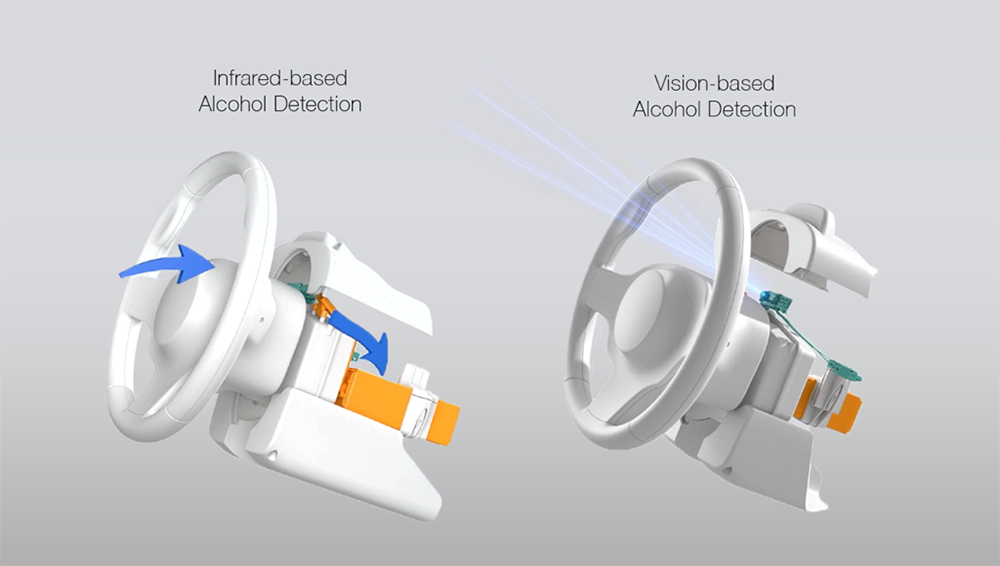
According to the report released this month, regulators reviewed multiple approaches, including breath sensors, touch-based alcohol detectors, camera-based driver monitoring systems, and behavior-tracking software that looks for signs of impairment such as erratic steering. None of them currently meets the legal requirement for a system that works passively, accurately, and without requiring driver input.
“NHTSA is committed to establishing well-defined requirements that also minimize false positive detections and driving restrictions for sober drivers. Currently, detection technology around the legal limit continues to have an error rate that would be unacceptably high…” the agency said.
More: Denmark In Panic Over Chinese Buses With A Kill Switch
“While NHTSA has not made a final determination about the necessary level of accuracy, even a 99.9 percent detection accuracy level could result in millions to tens of millions of instances each year where the technology would incorrectly prevent or limit drivers from operating their vehicles, or fail to prevent or limit impaired drivers from doing so.”
That’s about as on the nose as anyone could ask for. The NHTSA knows that the tech doesn’t exist yet, so it’s not going to make a rule requiring it. That’s not to say that at some point down the road this tech won’t exist. It’s almost certainly going to happen, but for now, it won’t until accuracy levels are high enough that they won’t, in high numbers, strand sober drivers or let impaired ones drive.