- A report suggests automakers are leaning toward larger, pricier vehicles.
- Ongoing supply chain disruptions continue to weigh heavily on the industry.
- Some buyers are stretching loan terms longer to manage rising prices.
Unless you’ve been under a rock for the past decade, you’ll know that average car prices have risen. Across major markets, the average price of a new vehicle has gradually increased. In some countries, including the USA, the average transaction price for a new car is more than $50,000. That number in and of itself gives you an idea of how dramatically the market has changed compared with the past decade.
Industry data shows that average transaction prices climbed roughly 40 percent between late 2018 and last year, highlighting just how quickly costs have escalated.
More: Car Repair Costs Are Exploding And It’s Not Just About Tariffs
The reason why car prices have gone up, though, isn’t just because of inflation or rising costs. In fact, according to a recent report from Reuters, industry analysts say the price increase is not the result of one issue. Instead, it is a combination of trends all over the automotive industry that have caused prices to rise over time.
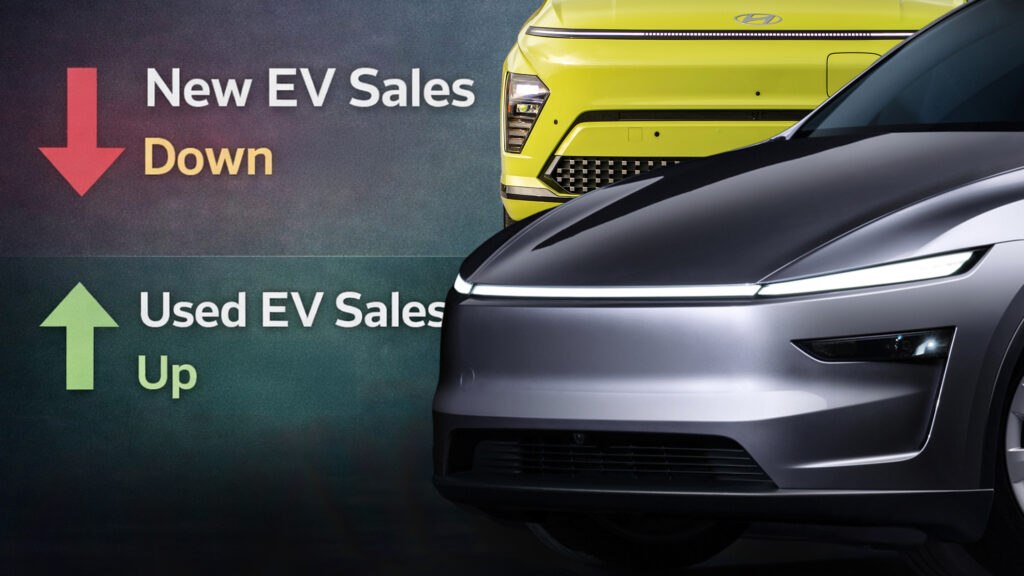
The impact is also reshaping the market itself, with fewer lower-income buyers able to afford new vehicles and more turning to used options instead.
The Focus On Bigger Vehicles
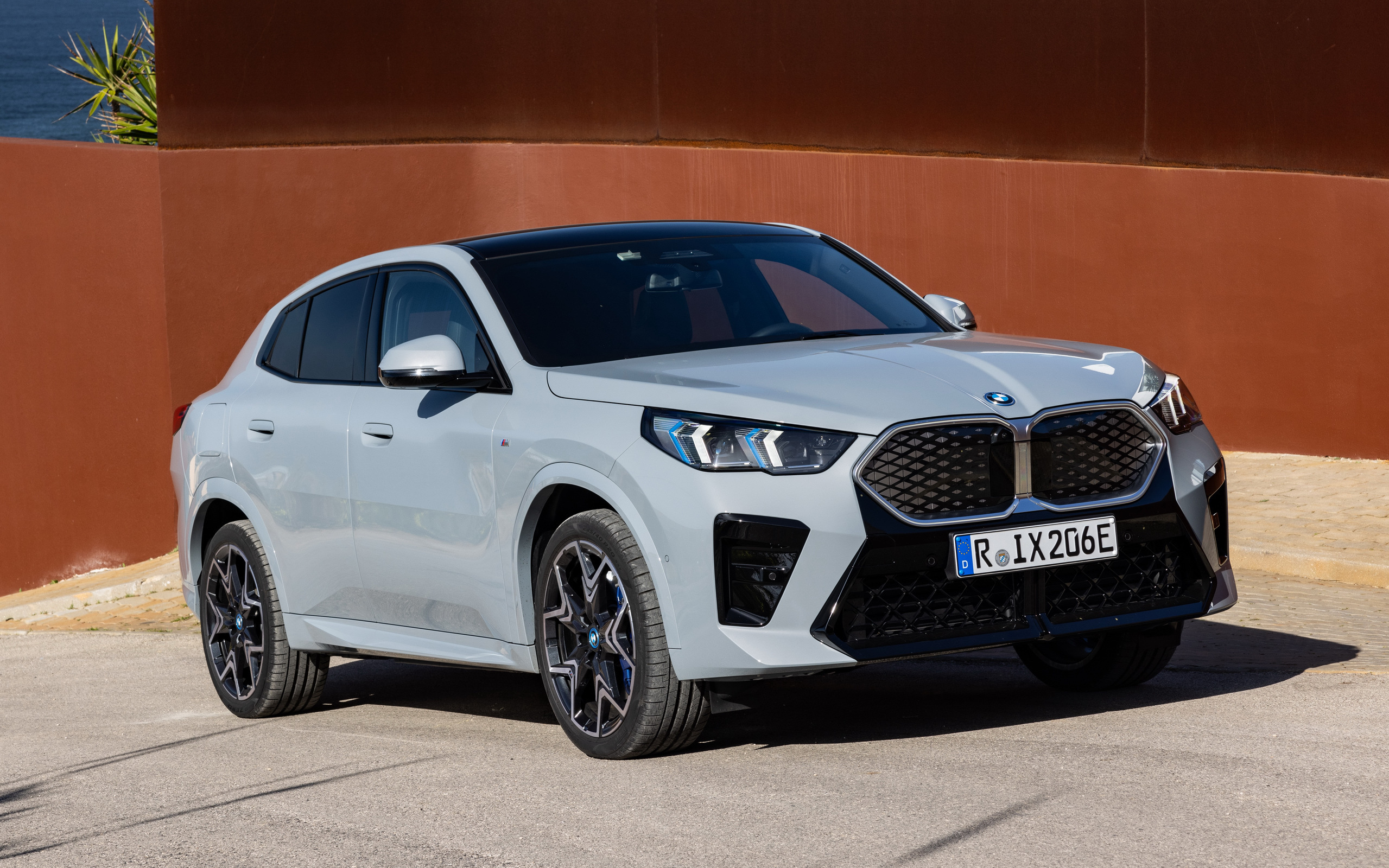
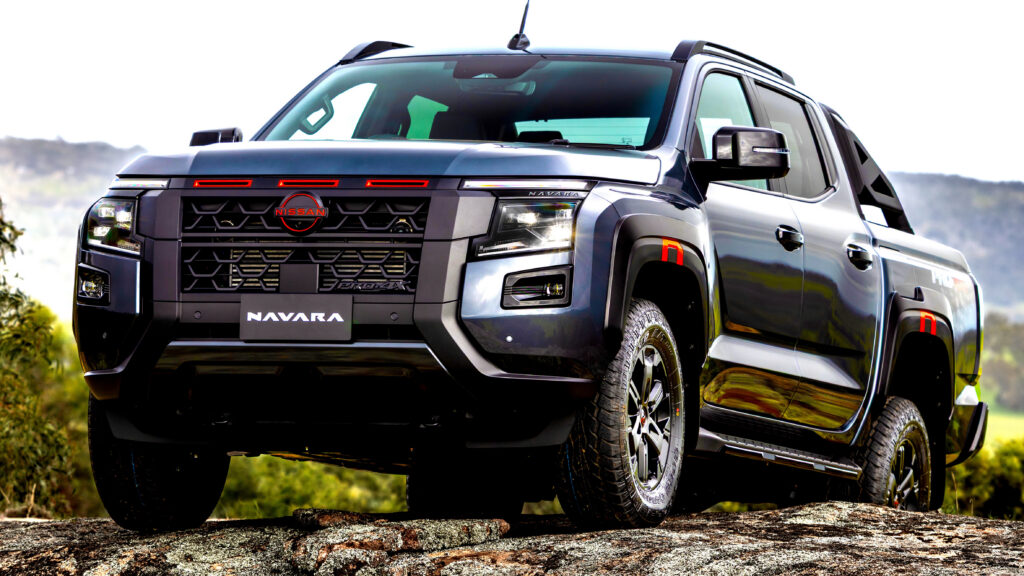
One of the major reasons for the price spike is the nature of the vehicles that automakers are making. Car companies have slowly drifted away from small and affordable models and instead focused their attention on SUVs, crossovers, and pickup trucks. These larger vehicles bring about a higher profit margin, which is far more appealing to the shareholders and executives at the head of these automakers.
Some industry estimates suggest profit margins on large SUVs and pickups can exceed 20 percent, reinforcing why automakers continue prioritizing them.
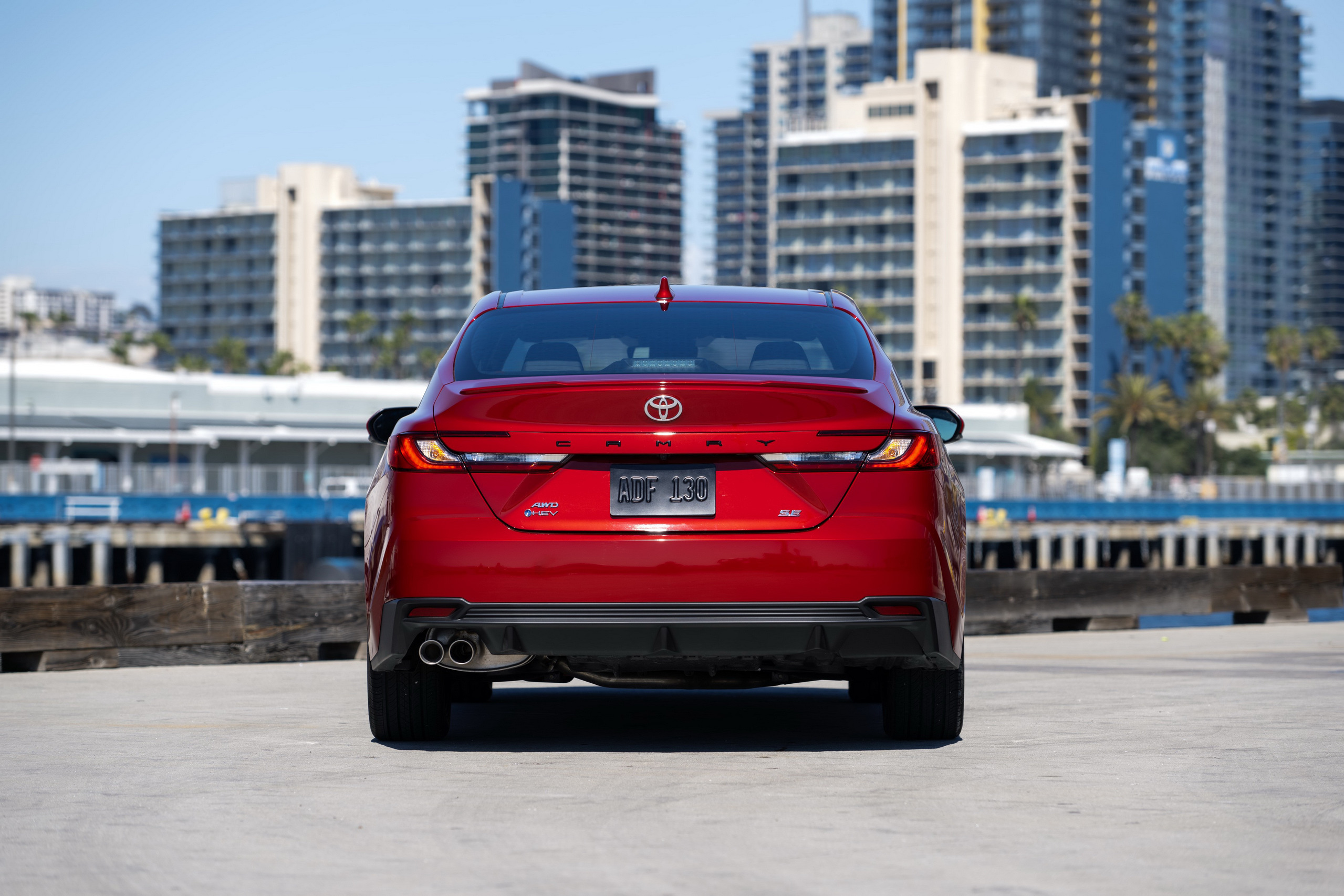
There’s a trend of extinction in the auto world: entry level sedans and compact cars have silently vanished from the market. As cheaper models are cut from showroom floors, the average new car price will naturally increase. Even customers who prefer smaller cars have fewer budget-friendly car choices today.
See: Toyota Corolla Prices Jumped Nearly 40% While Wages Rose Just 10% In Japan
Another factor is the increasing amount of technology in modern automobiles. Today’s cars include advanced driver assistance systems, digital infotainment screens, sensors, cameras, and connectivity features that were luxury options a few years ago. These technologies make vehicles safer and easier to drive but increase the cost of manufacture. Increased production costs often result in retail prices increasing as well.
Economic Factors

Supply chain disruptions of the past few years also played an important role. During the semiconductor shortage, automakers struggled to get all the components needed to offset their car production capabilities. Fewer cars on dealer lots enabled companies to have better control over prices. Even though improvements have been made in production since then, prices have not fully adjusted back to previous levels.
Costs have also gone up behind the scenes. Raw materials, shipping, and manufacturing costs have all increased in the last several years. Automakers have responded by making adjustments to prices in multiple models to save their margins.
For consumers, the result is obvious. Many buyers are also now purchasing longer auto loans simply to make their monthly payments manageable. Seven-year loan terms are growing more common, with people trying to juggle higher prices and limited budgets.