

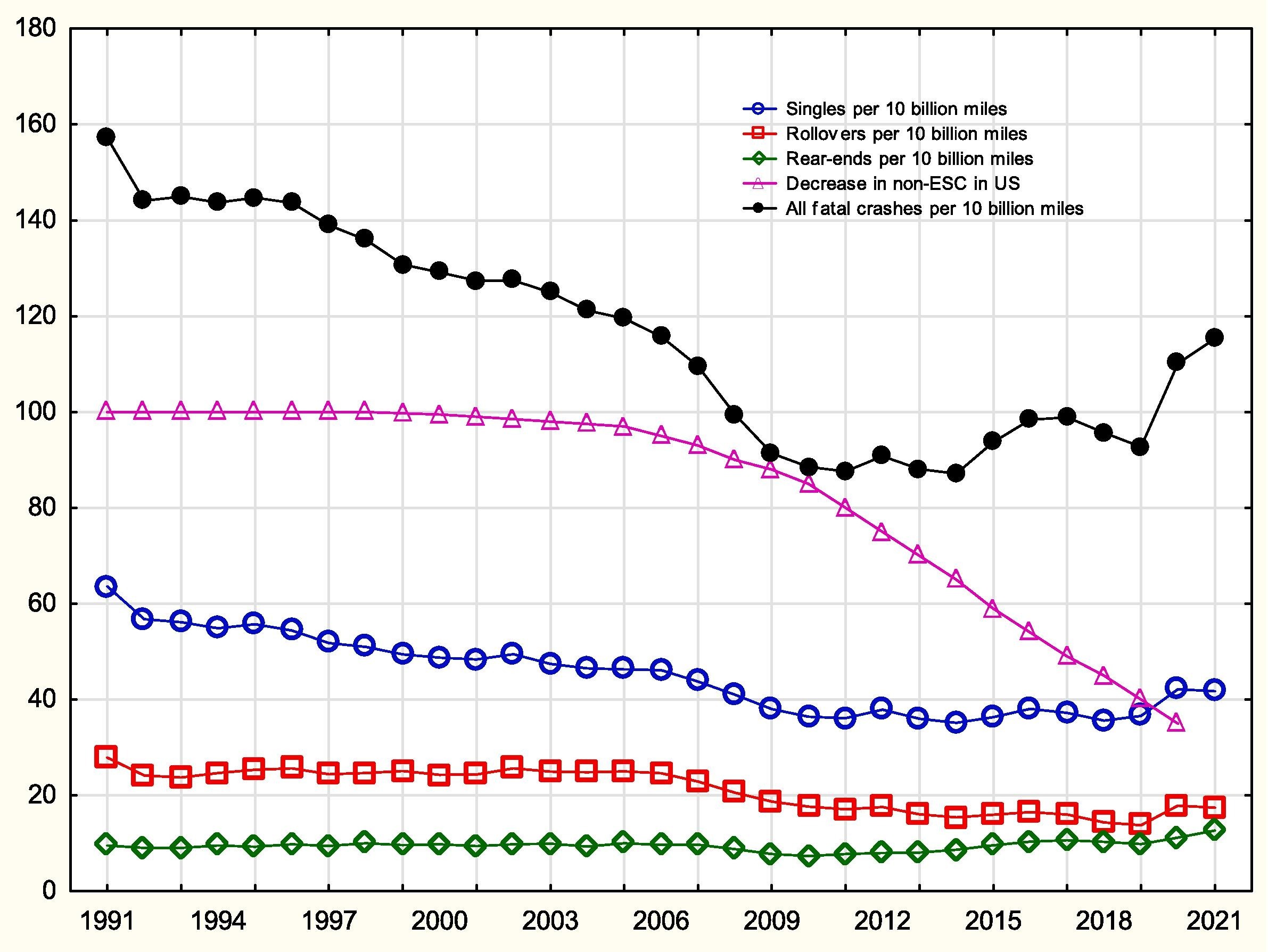
- Modern stability control has cut single-vehicle crashes by at least 30 percent.
- Crash likelihood grows more from speed variance between cars than absolute speed.
- Limits designed for the worst drivers on the road end up penalizing everyone else.
Speeding adds danger to an already inherently dangerous activity. That’s not controversial, and it’s not worth pretending otherwise. Driving at any speed above walking pace is potentially unsafe. The faster a vehicle is moving, the less time a driver has to react and the greater the consequences when something goes wrong. Physics can’t be cheated, and no amount of software or sensors can fully override that fact.
What has changed dramatically is everything else around speed.
More: Speeding Tickets Fell By Half In Massachusetts, Drivers May Not Like Plan B
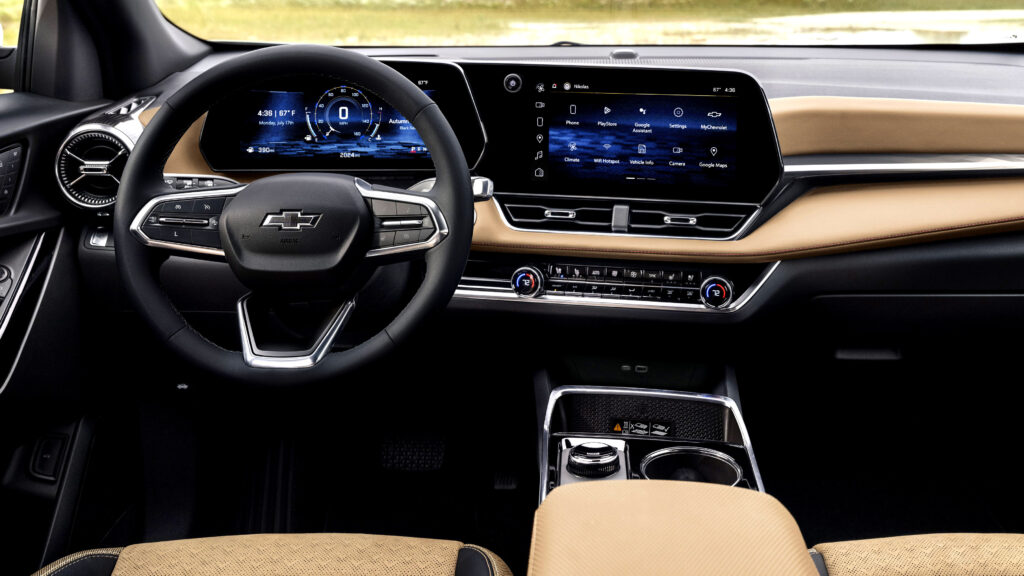
Modern vehicles process thousands of data inputs per second. They stop shorter, handle better, and protect occupants inside and outside far better than the cars that many speed limits were originally designed around. Stability control, advanced braking systems, and modern tire compounds have stretched the margin between normal driving and loss of control.
Just one of those technologies, electronic stability control (ESC), has cut single-vehicle crashes by at least 30 percent, according to some studies. Despite that, speed limits across much of the U.S. remain static, enforced as rigid numerical thresholds rather than guidelines shaped by conditions, road design, and actual driver behavior.
That mismatch has created a strange reality. Millions of drivers exceed posted limits every day without incident. Data from AAA indicates that at least 40 percent of drivers admit to going 15 mph or more over the limit in the last month. Speed, because it’s easy to measure, has become a stand-in for safety, even when it’s clearly not the whole story. And that’s happening while genuinely dangerous behaviors like texting at speed, aggressive lane changes, and tailgating often go unpunished unless something goes wrong.
This isn’t an argument that speed is harmless or that limits should disappear. It’s an argument that the way we regulate speed is outdated. And that the evidence has been staring us in the face for years.
Cars Have Changed, Even If Physics Hasn’t
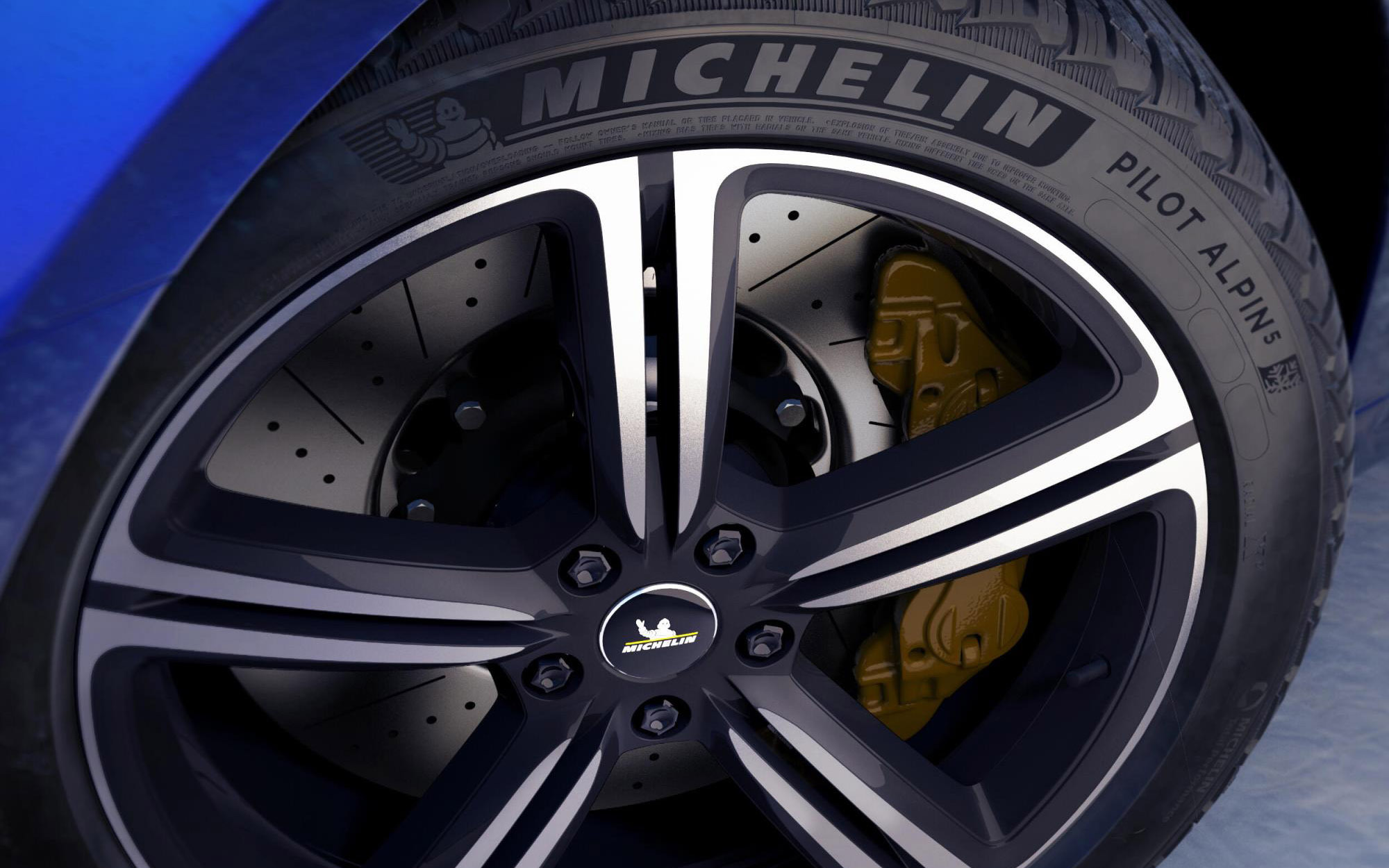
No modern car can defy the laws of motion, but pretending today’s vehicles behave like their 1990s counterparts is equally dishonest. Electronic stability control is now mandatory. Braking systems are vastly more capable. Tires sold on ordinary family sedans are rated for sustained speeds well above anything legally permitted on U.S. highways. Many vehicles sold here are engineered for countries where sustained high-speed travel is normal, not exceptional.
Under the right conditions (light traffic, clear weather, good visibility), modern vehicles are capable of traveling at higher speeds without suddenly falling outside a safe operating window. That doesn’t mean mistakes aren’t more costly at speed. It does mean that the relationship between speed and danger is more nuanced than speed limit signs suggest.
That said, none of this applies equally everywhere. In dense urban environments where pedestrians and cyclists share space with vehicles, even small increases in speed dramatically increase fatality risk.
The difference between 25 and 40 mph can be the difference between survivable injury and certain death for a pedestrian. Rural, limited-access highways engineered for uninterrupted traffic are not the same as neighborhood arterials, and policy shouldn’t treat them as if they are. Still, states and cities understand that things aren’t the way they were decades ago.
The System Already Admits Speed Isn’t the Whole Problem
If speed itself were inherently unsafe beyond a certain number, we wouldn’t see exceptions quietly baked into the system. Texas posts limits as high as 85 mph on select rural highways, roads specifically engineered for modern vehicles and traffic flow.
Despite dire predictions, those stretches did not produce the disaster critics warned about. While traffic volumes increased significantly after the limit was raised, crash rates per mile remained comparable to, and in some segments lower than, those of similar rural Texas highways.
Read: Cars Got Safer, So Missouri Wants To Let Them Go Even Faster
Arizona lawmakers are once again debating whether speed limits should even apply on certain rural roads during daylight hours. These aren’t fringe experiments; they’re public governmental acknowledgments that context matters.
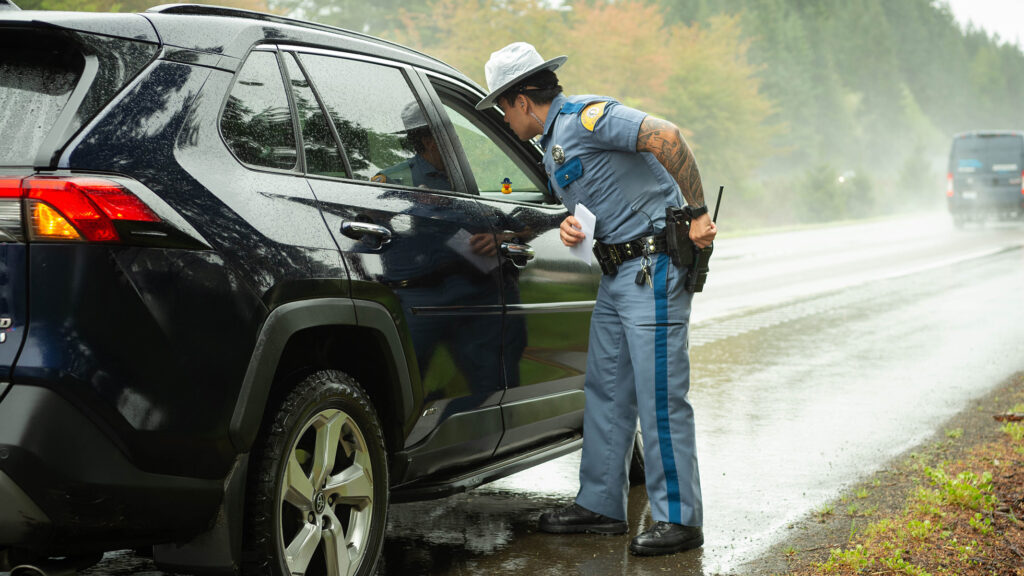
Law enforcement behavior tells a similar story. Police officers routinely exceed posted limits outside of active pursuits, operating under the assumption that speed alone does not equal danger. The public is told speed kills, while the system itself applies that rule selectively.
While some will argue whether or not that’s blatant hypocrisy, we can call out what isn’t a debate. It’s an admission that the numbers aren’t the whole story. Part of that equation is the way that roads are designed.
Roads Tell Drivers How Fast to Go
Traffic engineers have long acknowledged an uncomfortable truth: drivers don’t choose their speed based on signs. They choose it based on how a road feels. Have you ever considered why Florida has arrested dozens of folks under its Super Speeder law despite the harsh penalty and plenty of coverage?
Wide lanes, long sightlines, gentle curves, and large shoulders subconsciously encourage higher speeds. Narrow lanes, tighter geometry, visual friction, and roadside obstacles naturally slow drivers down. This is why self-enforcing road design has become a core principle in modern urban planning.
That approach focuses on designing roads in a way that naturally encourages speed compliance. Again, we have plenty of data to support how good it is at actually decreasing speeding and increasing safety. And it’s why posting a low limit on a road engineered like a runway (many states provide examples of this mismatch) rarely works.
When the overwhelming majority of drivers exceed the posted speed on a given stretch of road, it’s worth asking whether the problem is mass lawlessness or poor design and outdated assumptions. Of course, when enforcement generates substantial revenue, it inevitably raises questions about whether design and policy are aligned.
For example, the city of Richmond, Virginia, recently announced that it issued over 102,000 speeding citations in school zones during 2025. The overwhelming majority came from two schools that sit on busy four-lane roads, one of which is a highway, and the other of which is a turnpike. School zones are the worst place to be speeding, but location and infrastructure matter. For the city of Richmond, it mattered to the tune of over $6 million.
Enforcement Targets What’s Easy, Not What’s Dangerous
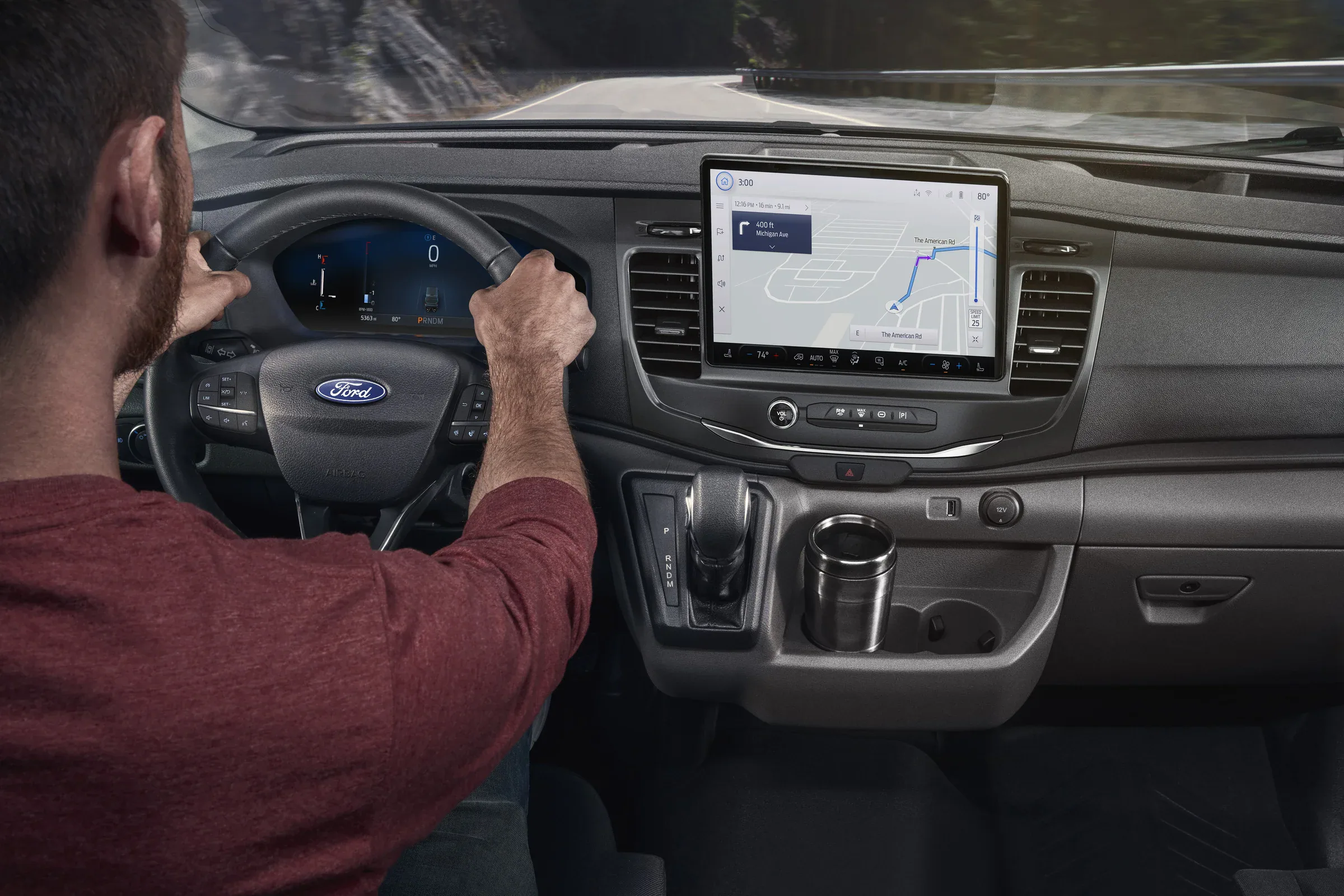
Modern speed enforcement is efficient, consistent, and blunt. “X miles per hour over in an X zone” requires no judgment, no nuance, and very little explanation. But convenience isn’t the same as effectiveness.
A driver cruising at 82 mph in light traffic on a straight highway is far easier to ticket than a driver texting at 65, tailgating at 70, or weaving unpredictably through lanes. Yet those behaviors are often far more likely to cause crashes.
Research has repeatedly shown that speed variance, large differences in speed between vehicles, is more dangerous than absolute speed alone. Crash severity rises with speed, but crash likelihood increases sharply when speeds vary widely.
Read: Just Eight AI Traffic Cameras Caught 29,000 Offenders In Just a Few Weeks
In fact, that’s one reason that we see states, like Georgia, aiming to increase minimum speeds on the highway. Artificially low limits that most drivers ignore can actually increase that variance, creating rolling obstacles rather than smoother traffic flow.
It’s also important to separate two different risks. Crash severity increases with speed. That’s physics. But crash likelihood is often influenced by speed differentials, distraction, and roadway design.
A high-speed impact is more likely to be fatal, but a chaotic flow of traffic with wide speed differences can make crashes more likely in the first place. Both factors matter, and treating speed as the only variable oversimplifies a far more complex equation.
Blanket Limits Protect Bad Drivers And Punish Everyone Else
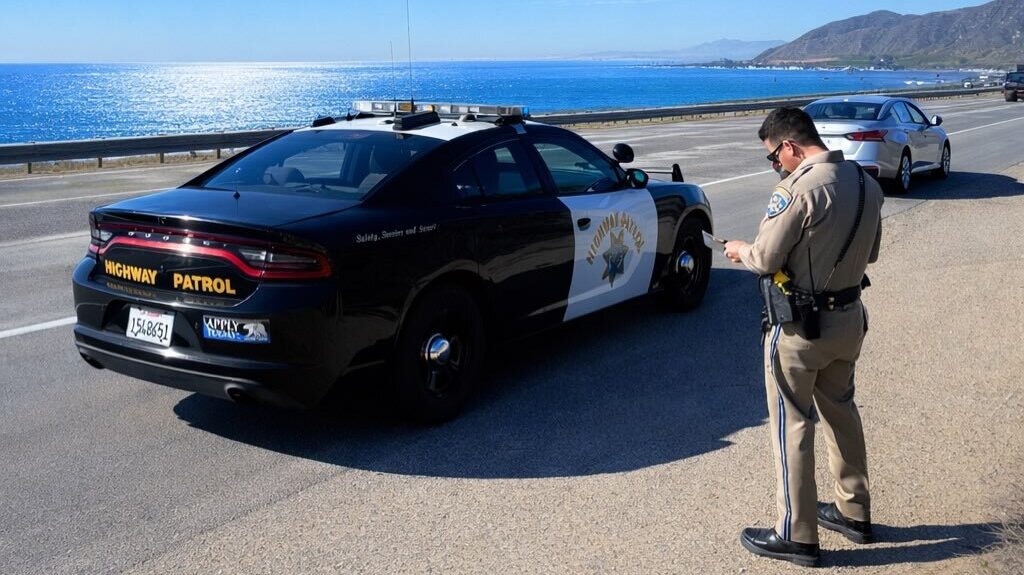
Speed limits are designed to accommodate the least competent drivers among us. That’s understandable. Public roads must be safe for everyone, including those with poor judgment, limited ability, or limited skill.
But designing rules solely around the lowest common denominator comes at a cost. It flattens nuance, erodes respect for traffic laws, and treats competent drivers operating under safe conditions the same as genuinely reckless ones.
Other countries address this imbalance by demanding higher driver competency through stricter licensing and training. The U.S., by contrast, compensates with blunt regulation. Essentially, it uses speed limits as a safety net for shortcomings elsewhere in the system.
Imagine if simply obtaining a driver’s license in the U.S. were so hard that the worst 60 percent of drivers currently on the road couldn’t meet the requirements. Road safety would shoot through the roof automatically.
Sure, public transportation would need to improve, insurance companies would riot, and automakers would suffer due to far slower sales and comically diminished demand. Don’t worry, this will never happen, but it’s worth considering just how much safety would improve overnight.
The Real Question We Avoid Asking
Speed can be dangerous. That’s not the debate. The real question is whether pretending all speed is equally dangerous regardless of road design, conditions, or behavior, still makes sense in a modern driving environment.
We already know the answer. Our roads, our cars, and even our enforcement practices quietly admit it. The problem isn’t that drivers don’t respect speed limits. It’s that speed limits, as currently conceived, no longer reflect reality.
Rethinking them doesn’t mean endorsing recklessness. It means acknowledging what actually makes roads safer. More importantly, it means having the honesty to regulate accordingly. For those of us who see these flaws in the current system, it means talking about them, sharing this information, and acting in harmony with those thoughts.
Sources: Journal of Safety Research, NHTSA