








- BYD leads all Chinese brands in Germany with 64 percent name recognition.
- Fewer than 1 percent of Germans can identify Deepal, Omoda, or Jaecoo.
- Lynk & Co has operated in Germany five years with only 11 percent awareness.
While the Chinese have proven they can build some excellent cars, this alone will not guarantee them international success. Breaking into established markets brings a different set of challenges. As these firms are discovering in Germany, simply making the public aware of their existence is both difficult and expensive.
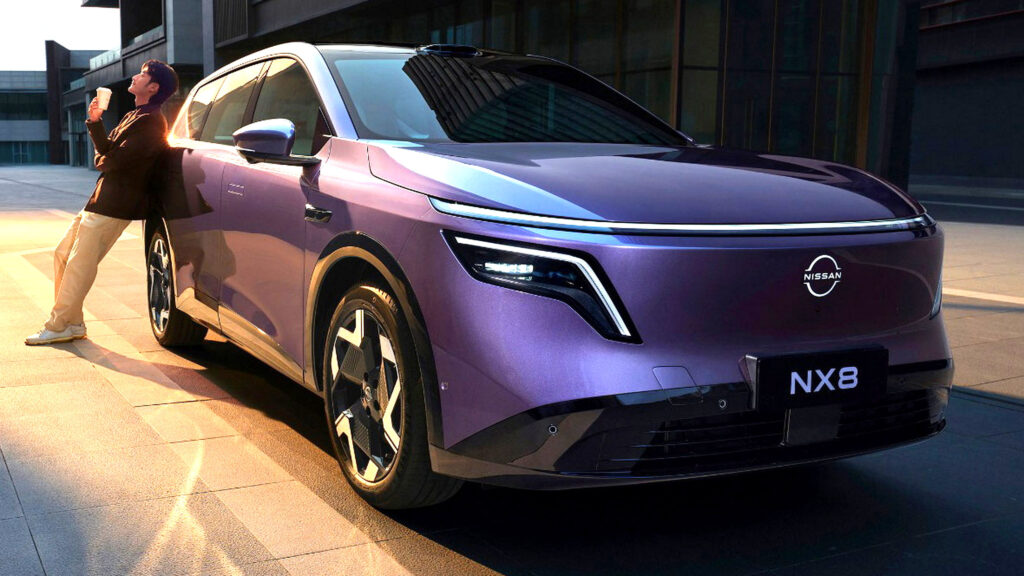
A recent study shows that, in some cases, Chinese car manufacturers remain largely unknown to local buyers. Fewer than 1 percent of 5,000 survey respondents said they were familiar with Deepal, Omoda, and Jaecoo. Similarly, only 11 percent recognized Leapmotor and Lynk & Co, even though the latter has been selling cars in Germany for more than five years.
Read: One in 10 New Cars Sold in Europe Last Month Was Chinese
Martin Fassnacht, a marketing professor at WHU-Otto Beisheim School of Management, told Auto News Europe that new carmakers must invest heavily to gain a foothold. Companies may need to spend hundreds of millions of euros within their first five years in Germany. Over a decade, that figure can climb to €1 billion ($1.1 billion), and even that level of spending does not guarantee success.
Big Deal Sponsorships
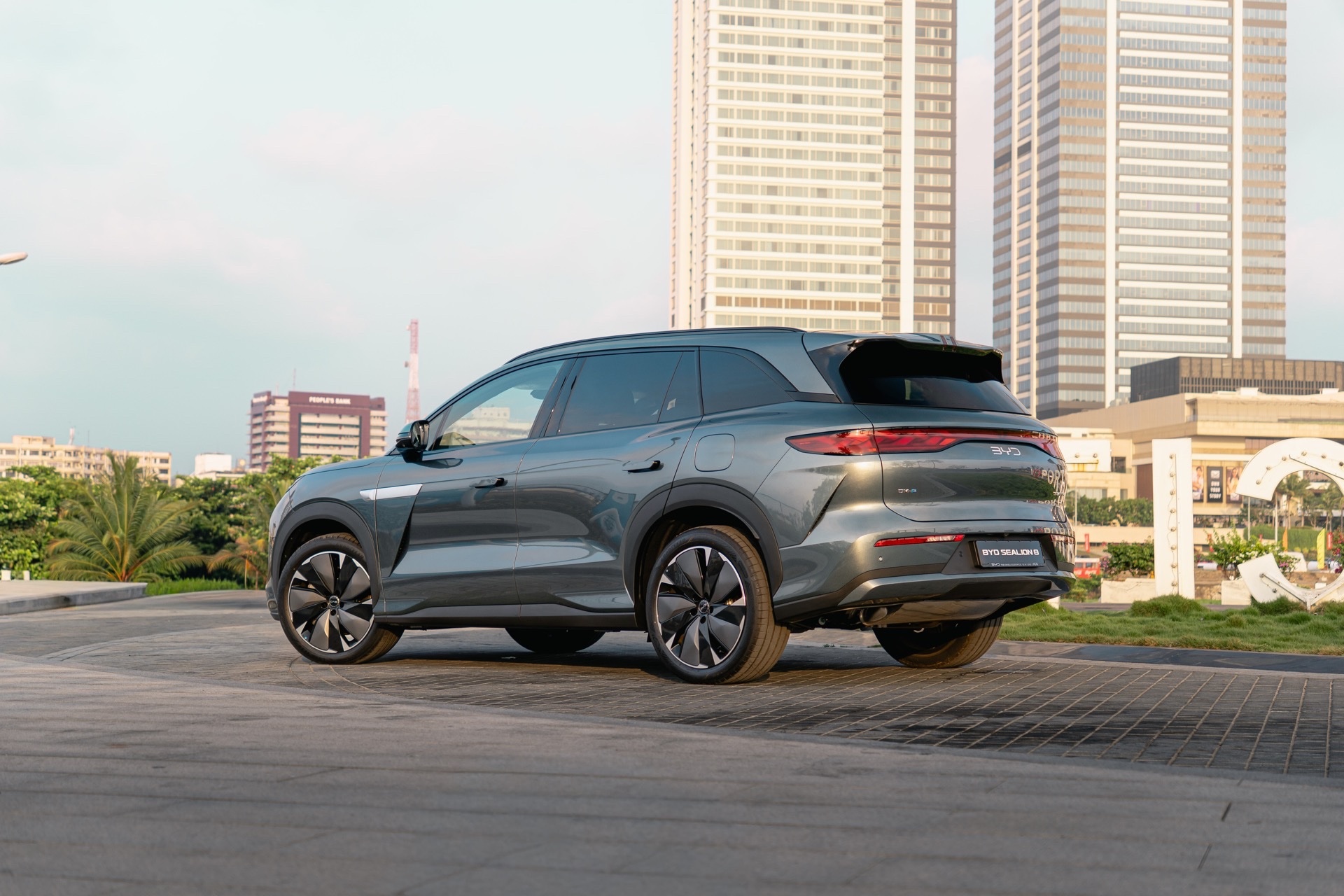
Among Chinese brands currently selling vehicles in Germany, BYD appears to have made the strongest impression. In the survey, 64 percent of respondents said they were aware of the company, helped in a big part by its sponsorship of the UEFA European soccer tournament, according to Auto News. MG is also ahead of most competitors, with 26 percent recognition among local buyers.
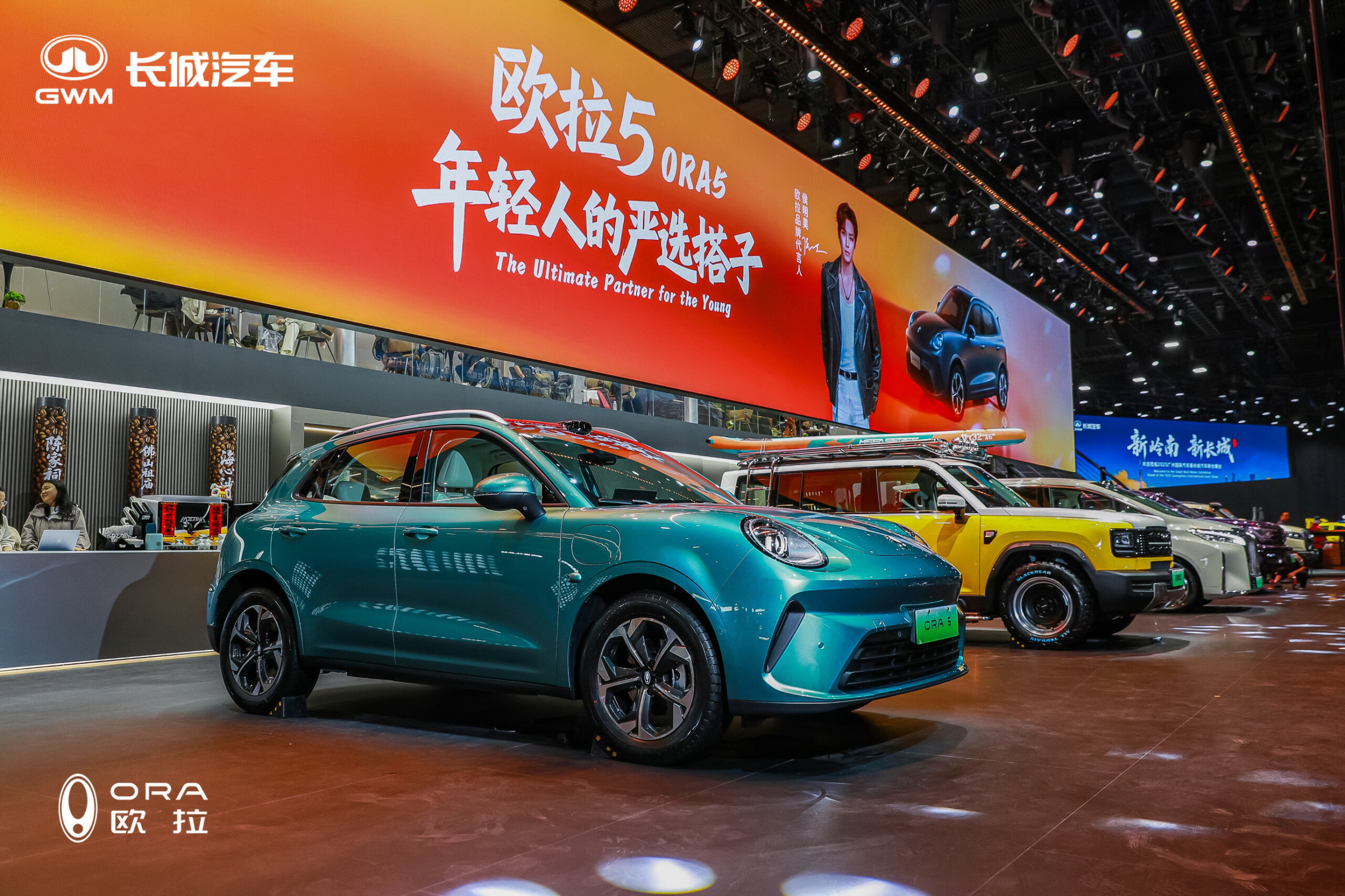
New marketing campaigns will be key if these brands want to establish themselves as serious players in Europe’s largest single-car market. Great Wall Motor is planning a big marketing push for its Ora and Wey brands, and Changan is also investing millions into its own media campaign.
Of course, brand recognition is only part of the equation. Fassnacht adds that new entrants must also compete aggressively on price to gain traction. So far, many of their models have been priced too high, especially compared to how affordable they often are in China.