- Honda will pay each of the 20 plaintiffs $7,500 to settle the lawsuit.
- Lawyers in the class action are seeking nearly $36 million in fees.
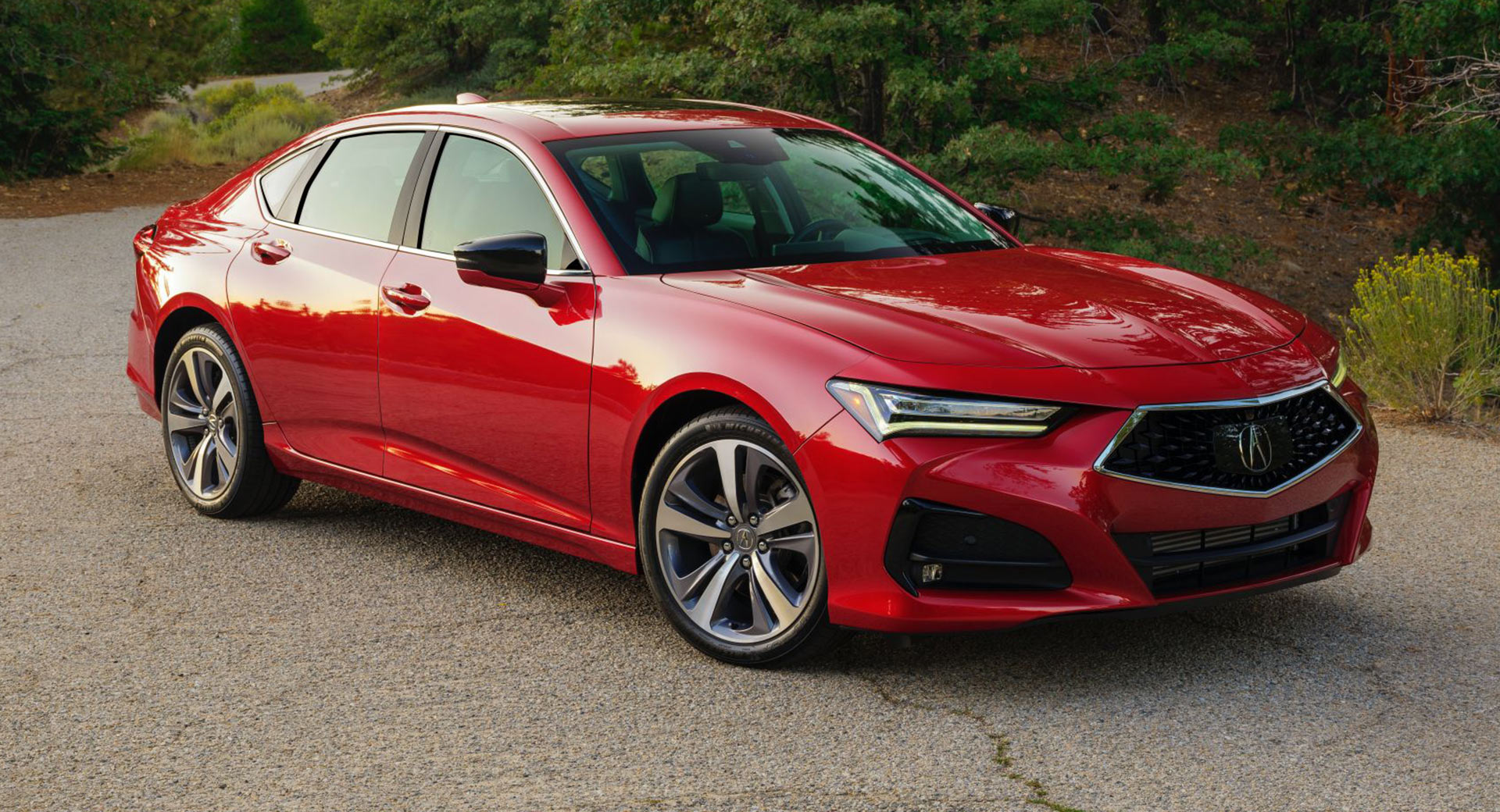
- Affected models include the Acura TLX, and Honda Passport, and Ridgeline.
Honda is closing in on a settlement over the Idle Stop system fitted to a number of its vehicles, and while the company won’t walk away clean, the cost to it is almost beside the point. The bill runs north of $36 million, and the lion’s share goes to the lawyers.
In Honda and Acura vehicles, the Idle Stop system is designed to shut off the engine after the car sits stationary for more than two seconds, then restart it when the driver lifts off the brake. The idea is simple enough, saving fuel in stop-start traffic and at intersections. The lawsuit, however, claims the system does not always follow through, with some cars failing to restart when the brake pedal is released, leaving drivers stuck.
Read: These Honda Owners Got $7,500 For A Problem You Might Still Have
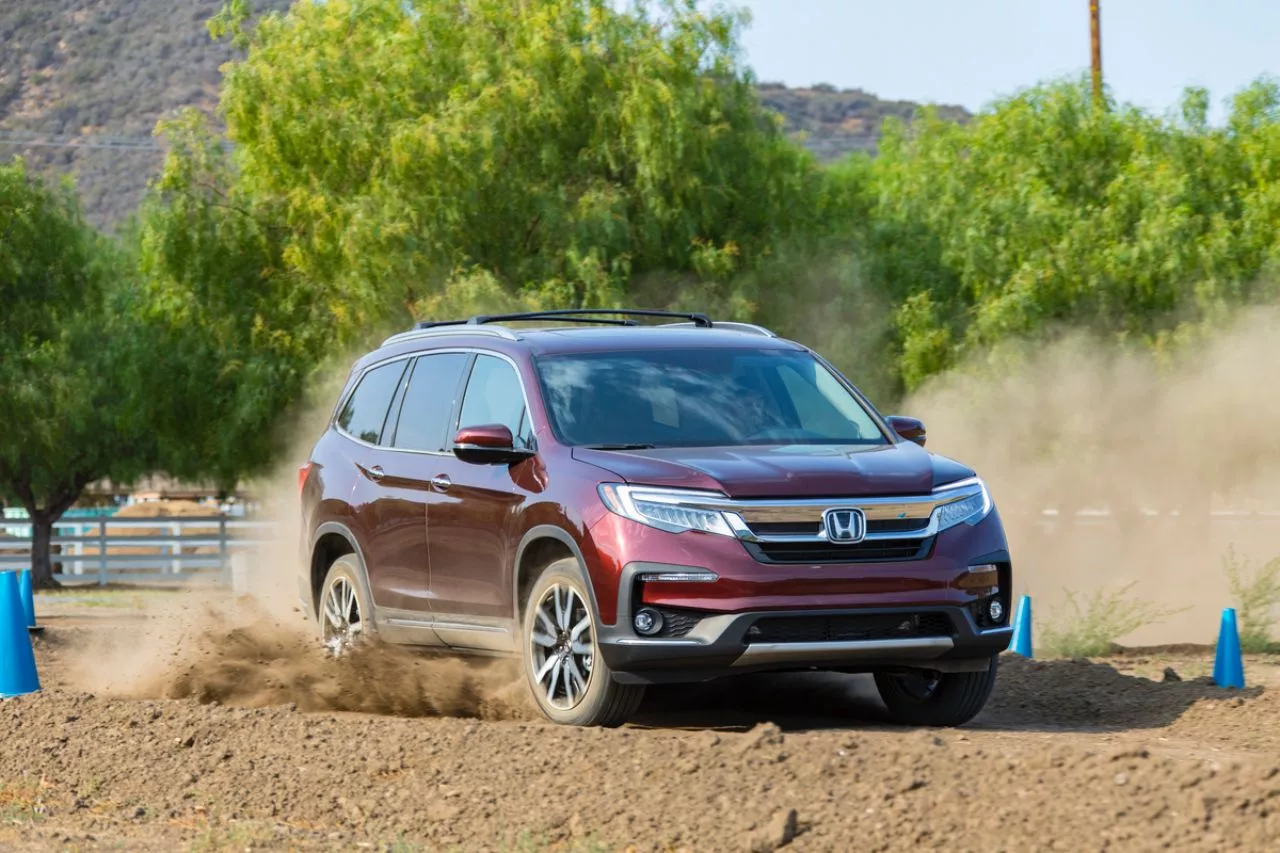
Five vehicles are named in the lawsuit. These are the 2015-2020 Acura TLX, 2016-2020 Acura MDX, 2016-2021 Honda Pilot, 2019-2021 Honda Passport, and 2020-2021 Honda Ridgeline.
None of this is new to Honda. The company has been wrestling with the problem for several years, and in 2022 and 2023, it pushed out 10-year warranty extensions for the Idle Start systems, while also offering free starter motor replacements. The new settlement will retain these warranty extensions and free start motor replacements.
Plaintiffs And Lawyers Get Paid
The warranty extension is only applicable for 10 years from the date the affected Honda or Acura model first entered service. Owners of 2015 and 2016 models that have already hit this 10-year mark will receive 24-month and 18-month extensions, respectively.
Through this new settlement, which is scheduled for a final approval hearing on June 1, Honda will pay each of the 20 plaintiffs $7,500, for a total of $150,000, Carcomplaints notes.
This is just a drop in an ocean compared to what the attorneys involved in the case could walk away with. They are seeking $35,250,00 in fees, in addition to $823,131.24 in expenses, an absolutely staggering amount. If you’ve ever wondered why law firms are often so eager to pursue class action claims like this, now you know why.