- Hagerty estimates the US is home to more than 43 million collectible cars.
- Around 12 million enthusiast vehicles could change hands within 15 years.
- Estate lawyers say classic cars often trigger bitter inheritance disputes.
While property and art often come under scrutiny for wealth transfer, it turns out that approximately 12 million classic cars with a value of $570 billion will transfer from one generation to the next within the following 15 years. A component of what’s called The Great Wealth Transfer, this amazing cachet of cars from yesteryear will be transferred as part of estate plans, inheritances, gifts, and the like. That sits within an estimated $90 trillion transfer from the Silent Generation and baby boomers to their heirs.
Hagerty estimates that there are over 43 million collectible cars in the United States. They define a collectible car as one that is desirable for its legacy, design, and performance. That gives you a broad spread of vehicles that can easily span a century!
Read: One Late Petrolhead’s Incredible Classic Car Collection Goes Up For Auction In Tampa
That means if you’ve got a classic (or modern classic) in your garage that fulfills even two of those three criteria, you’re potentially sitting on an appreciating asset. Hagerty also estimates the US collectible-car market carries roughly $1 trillion in total insurable value.
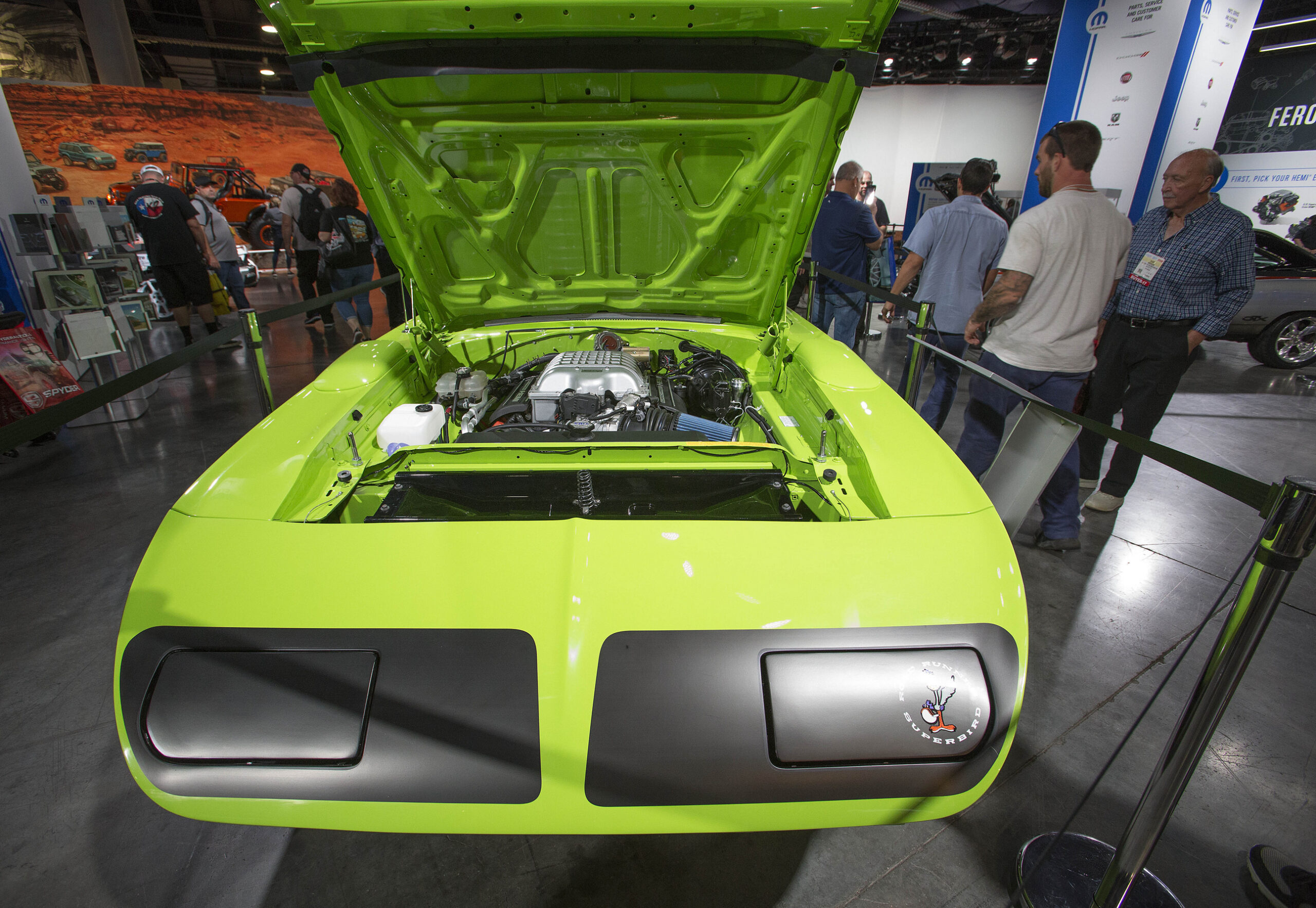
Of course, maintenance matters, and this doesn’t come cheap. As reported by Bloomberg, an anonymous owner of a 1965 Studebaker disclosed that he’d spent over $40,000 on storage and maintenance. He eventually sold the car earlier this year after years of costs that exceeded its market value.
“The amount of money it cost to just get it running was ridiculous,” he told the outlet. “I would have rather put the money into cars I liked.”
Classics Are Appreciating Worldwide
It’s not just in the US either. The report highlights the story of Benjamin Charles from Cambridgeshire, England. He is the custodian of a 1962 Jaguar E-Type that his father bought for just £700 in 1972 and that came into Charles’ hands in 2018. That would translate to roughly $11,300 in today’s money. Despite Charles having to spend a packet on an engine rebuild (£4,500 / $6,000) he’s still very much up on the deal, with Series 3 E Types going for around $57,000 according to Classic.com, and some examples trading for double that.
Further afield, in Manila, Miguel Cervantes had long coveted his wife’s grandfather’s 1984 Mercedes-Benz 300TD wagon. He offered to buy the car in 2018, only to be greeted by a curt “No.” When the grandfather passed away in 2024, however, a family member offered Cervantes the chance he’d been waiting for.
“At first I couldn’t believe it,” Cervantes said of the moment the car was offered to him, “but now it is with us, undergoing a full restoration.”
More Money, More Problems
Not every story has a happy ending. In addition to being incredibly valuable, cars can carry buckets of sentimental value. This inevitably means that disputes can arise. Some family disputes can be long-drawn-out, bitter, and minefields to navigate. Klaus Gottlieb, an estate-planning attorney in California, knows this all too well. He related in one instance, “the parent had planned but wasn’t specific enough, which left room for interpretation, and there was a lot of value at stake,” he explains.
Different family members might also see the car as a different thing. Grief therapist and author Claire Bidwell Smith says, “For one sibling, it might feel like a sacred connection to the person who died…For another, it might represent responsibility, burden, or even resentment tied to the relationship.”
Some heirs may also face tax only if they sell an inherited car for more than its value at the time of the previous owner’s death. Bloomberg reports that the US has no federal inheritance tax, and the federal estate tax kicks in only on estates above $15 million per individual. For the overwhelming majority of inherited cars, that means the keys change hands without the IRS taking an interest.