










- Toyota halts Lexus electric sedan development amid slowing global demand.
- Next-gen technologies remain alive, but are more likely to be rebooted in an SUV.
- Lexus is still on track to deliver a flagship luxury electric coupe successor to the V10 LFA.
The auto industry’s EV reality check is definitely not over. The latest brand to backtrack on its electric rollout is Lexus, whose parent company Toyota has axed plans for a next-generation battery-powered sedan that was supposed to showcase some of the company’s most advanced electric and construction technology.
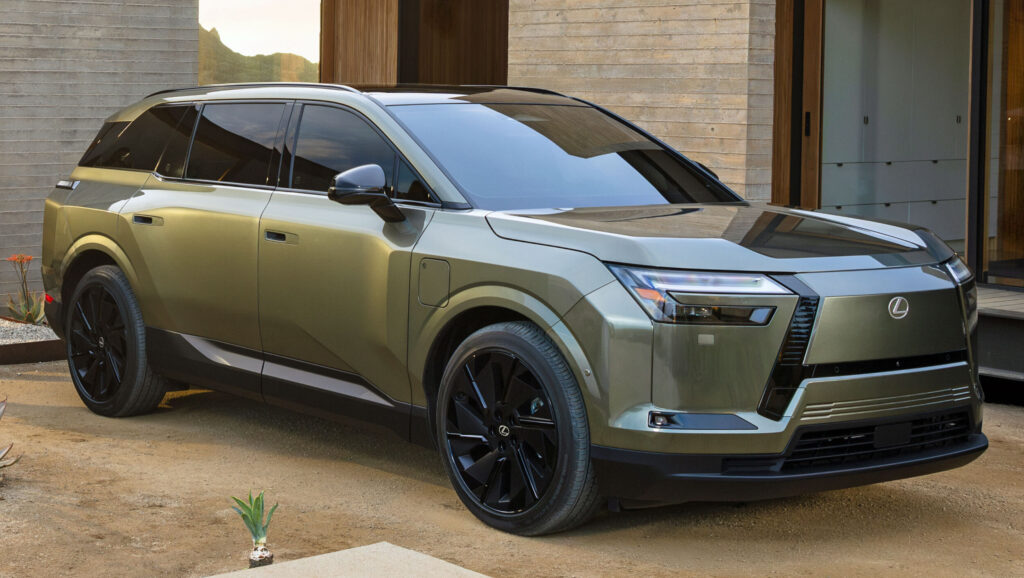
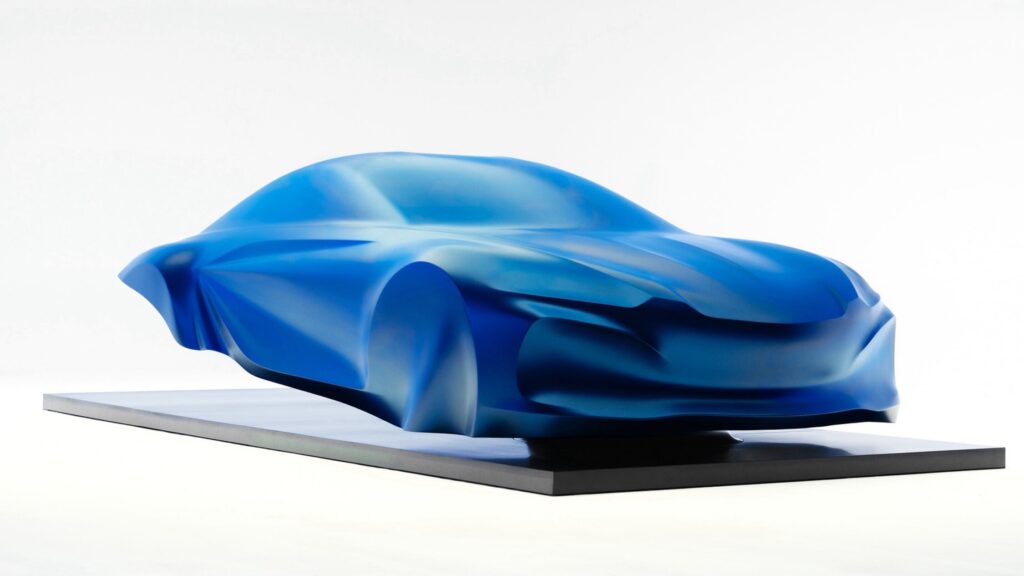
The casualty appears to be the production version of the Lexus LF-ZC concept (shown below), a sleek electric sedan unveiled in 2023 that was going to spearhead Lexus’s next wave of battery-powered luxury vehicles. Production had originally been scheduled to begin this year before reportedly being pushed back to 2027. Nikkei Asia first reported that the project to build a rival to BMW’s i3 sedan has been shelved altogether, something Toyota has since confirmed to Automobilewoche.
Related: Lexus Exec Basically Confirmed A GX 550h Hybrid, But It May Lose What Buyers Love Most
That’s not because Toyota has given up on the technology itself. The company is reportedly continuing development of both gigacasting manufacturing techniques and solid-state batteries, two technologies heavily associated with the canceled sedan. Instead, Toyota appears to be reconsidering where those innovations make the most business sense.
And right now, the answer isn’t hard to find. Buyers continue flocking to SUVs while traditional luxury sedans struggle to gain traction, particularly in the EV segment, regardless of what younger Americans say they want. If Toyota eventually launches a next-generation electric vehicle featuring those advanced technologies, there’s a good chance it’ll ride higher off the ground, according to Nikkei Asia.
Sales Are Bigger, So Are Concerns



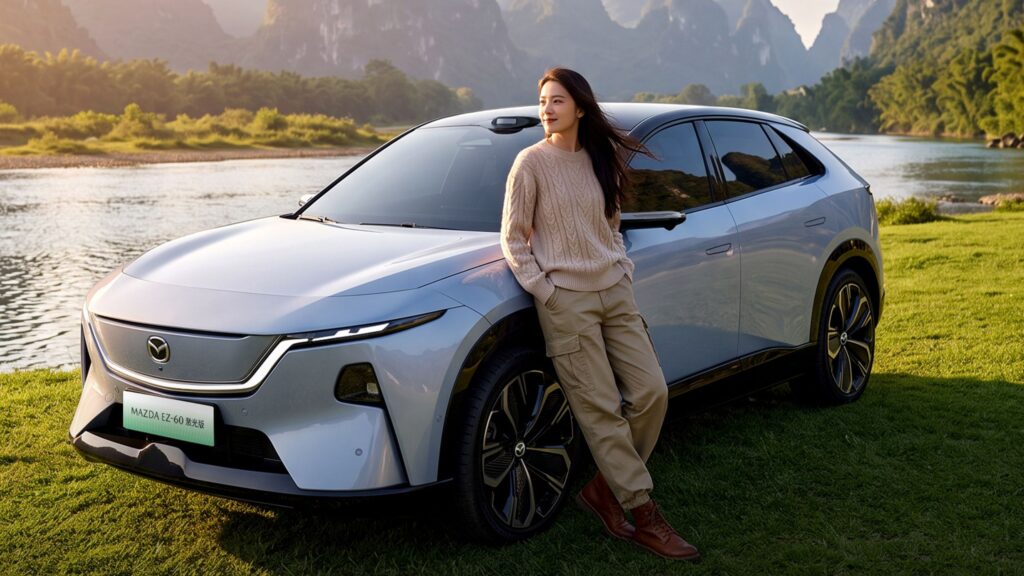
The move comes despite Toyota’s EV sales increasing by 42 percent in 2025 to more than 190,000 units globally. Models such as the updated bZ4X and China-market bZ3X (above) have helped boost demand, but global market conditions are challenging, particularly in North America. The removal of federal EV incentives in the US, and shifting political sentiment in Europe, a region moving away from a 2035 ICE ban, have forced automakers to reassess electrification plans made several years ago. Plans which now look hopelessly ambitious.
Toyota certainly isn’t alone. Over the past two years, numerous manufacturers have delayed, scaled back, or outright canceled EV programs as growth rates slowed from their earlier breakneck pace. Some have paid heavily for those decisions. Honda’s recent retreat from parts of its 0 Series EV strategy reportedly resulted in almost $16 billion in charges and write-downs.
But this latest Toyota U-turn doesn’t mean Lexus is abandoning EVs altogether. The luxury brand is still developing a flagship electric coupe that’s a successor the the V10-powered LFA and positioned as a counterpart to Toyota’s upcoming V8-powered GR GT.