









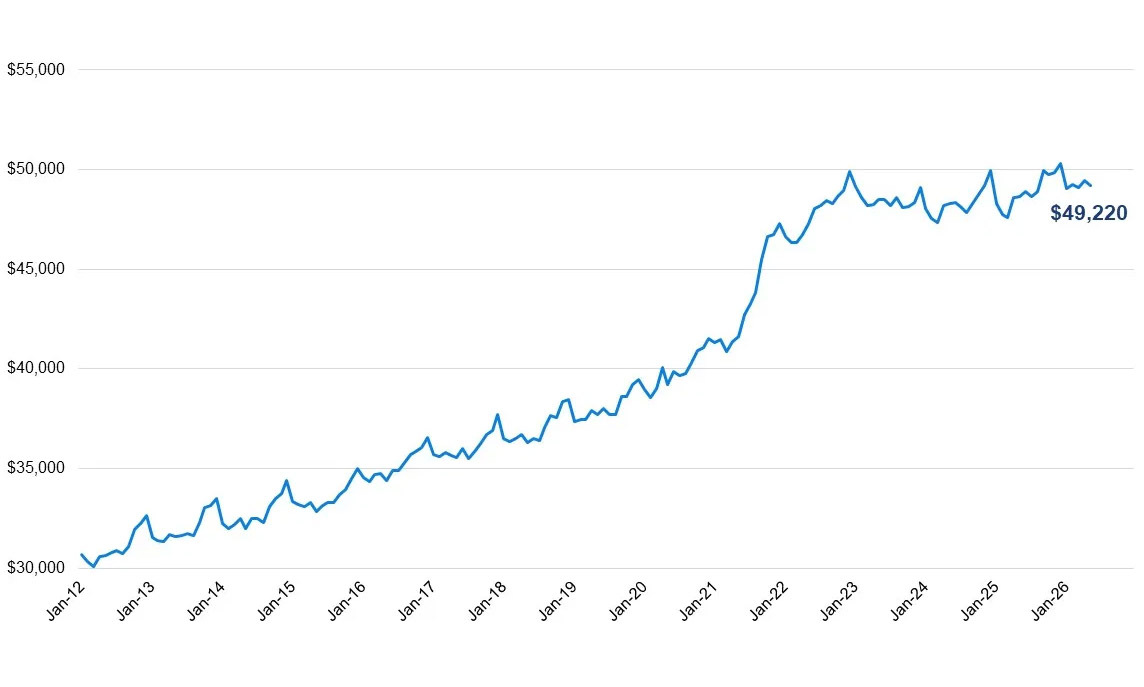
- Average new-vehicle transaction prices slipped to $49,220 in May.
- Several of the market’s most popular segments still posted price gains.
- High-end luxury car transaction prices jumped 7.3% from a year ago.
The average transaction price of a new vehicle eased off slightly in May. Look past that headline figure, though, and several of the industry’s most important segments got more expensive, both month over month and against a year ago.
The latest data from Cox Automotive puts the average transaction price for a new vehicle in the US at $49,220 in May, down a touch from April’s $49,456. Sales climbed too, running ahead of both last May and the month prior. The segment-level breakdown is where the picture changes. The overall average dipped, but plenty of individual categories moved the other way.
Read: A Million New-Car Buyers Just Vanished, And Automakers Don’t Want Them Back
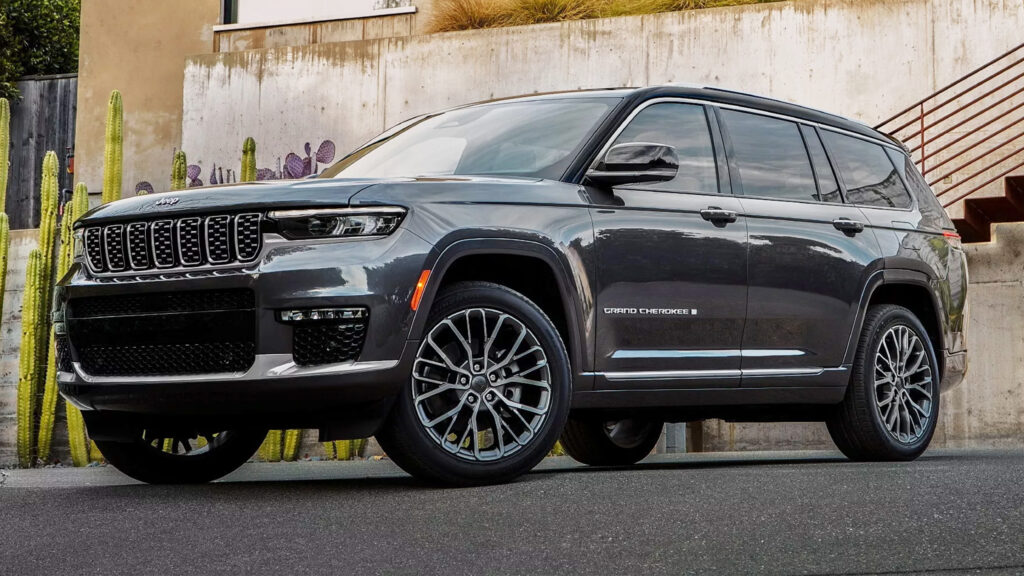
For example, vehicles in the compact SUV/crossover segment, one of the five largest in the US, rose 0.7 percent in May to $37,757, and they’re up 3.4 percent from May 2025. Full-size pickup prices follow a similar pattern, up 2.4 percent year-over-year to $66,288, even though they slipped 0.6 percent in May.
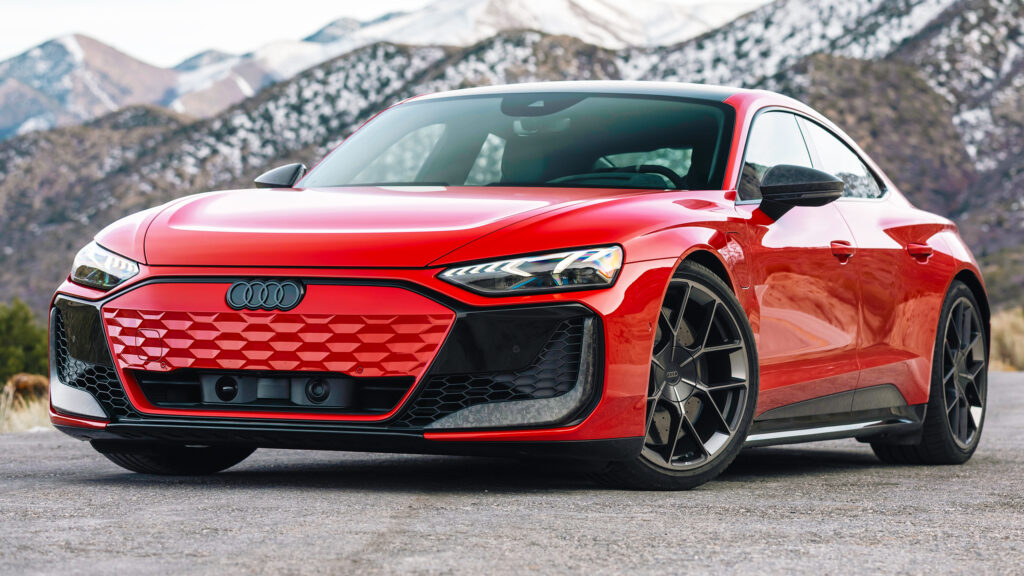
The high-end luxury car segment has seen some of the biggest jumps of all. A year ago, average transaction prices there sat at $118,746. They’ve since climbed 7.3 percent to $127,436, and they’re up 3.3 percent from the $123,329 recorded in April 2026.
Average Transaction Prices USA
According to Cox Automotive, ATPs for midsize SUVs are also up 2.9 percent year-over-year to $50,185, subcompact SUV ATPs have risen 4.2 percent to $31,122, and compact car ATPs are up 0.7 percent to $27,443. The manufacturer’s suggested retail price (MSRP) for new vehicles averaged $51,595 in May, essentially flat against $51,604 in April. MSRP growth also cooled to 1.6 percent year-over-year.
Why The Spikes?
“Average transaction prices are rising 2–4% year over year across key vehicle segments, powered by a convergence of product cycles and supply dynamics,” Cox Automotive executive analyst Erin Keating said. “Redesigned SUVs from Toyota, Kia, Jeep, and Hyundai are commanding higher prices out of the gate, while Ford’s F-Series production constraints are tightening truck inventory, lifting average transaction prices, with freshened Ram pickup stepping in to capture buyers at the premium end.”
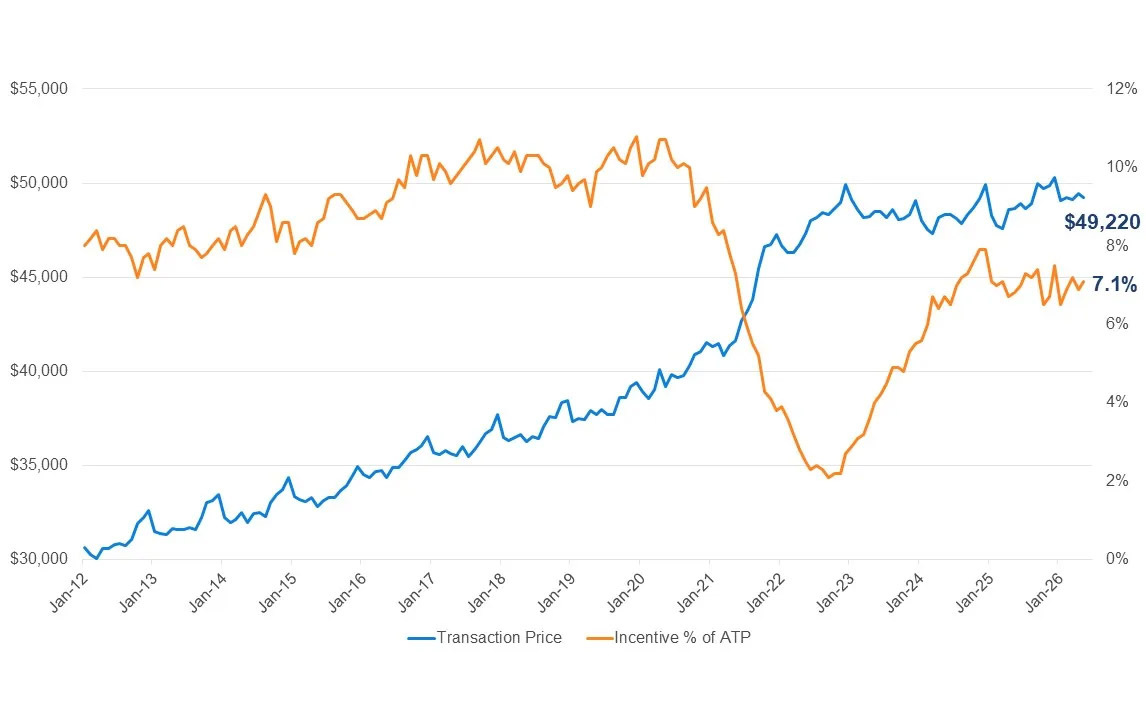
Automakers also leaned harder on incentives in May. Industry incentive spending climbed to 7.1 percent of ATP, up from 6.9 percent in April and 6.8 percent a year earlier.
Avg. Transaction Price Versus Industry Avg. Incentive Spend as % of ATP
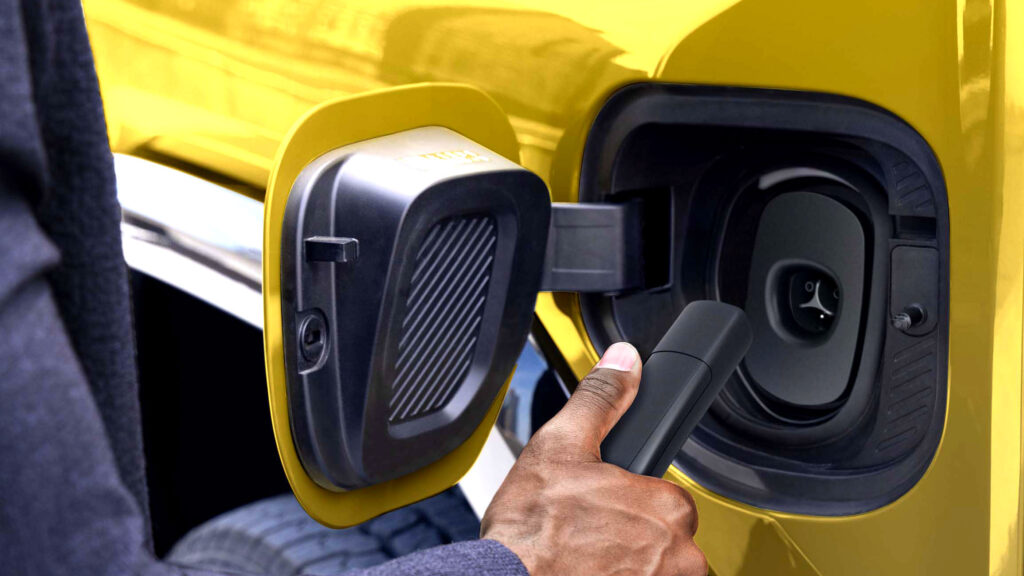
Now could be a good time to get behind the wheel of a new EV, however. Average transaction prices of EVs fell for the 11th consecutive month in May and are now down 4 percent year-over-year. The local market for EVs also appears to be staging a slight recovery, with 85,000 units sold in May, the highest tally since the EV tax credit was axed in September last year.
Tesla continued to put downward pressure on EV pricing. The average transaction price of a Tesla slipped 1 percent from April and was down 3.4 percent year-over-year in May. According to Cox Automotive, 96 percent of the brand’s sales came from its two most affordable models, the Model 3 and Model Y.
Average Transaction Prices By Segment