









- The next-gen Defender EV may not arrive until the 2030s.
- JLR is pushing ahead with plans for the baby Defender.
- A new platform is needed for JLR to build an electric Defender.
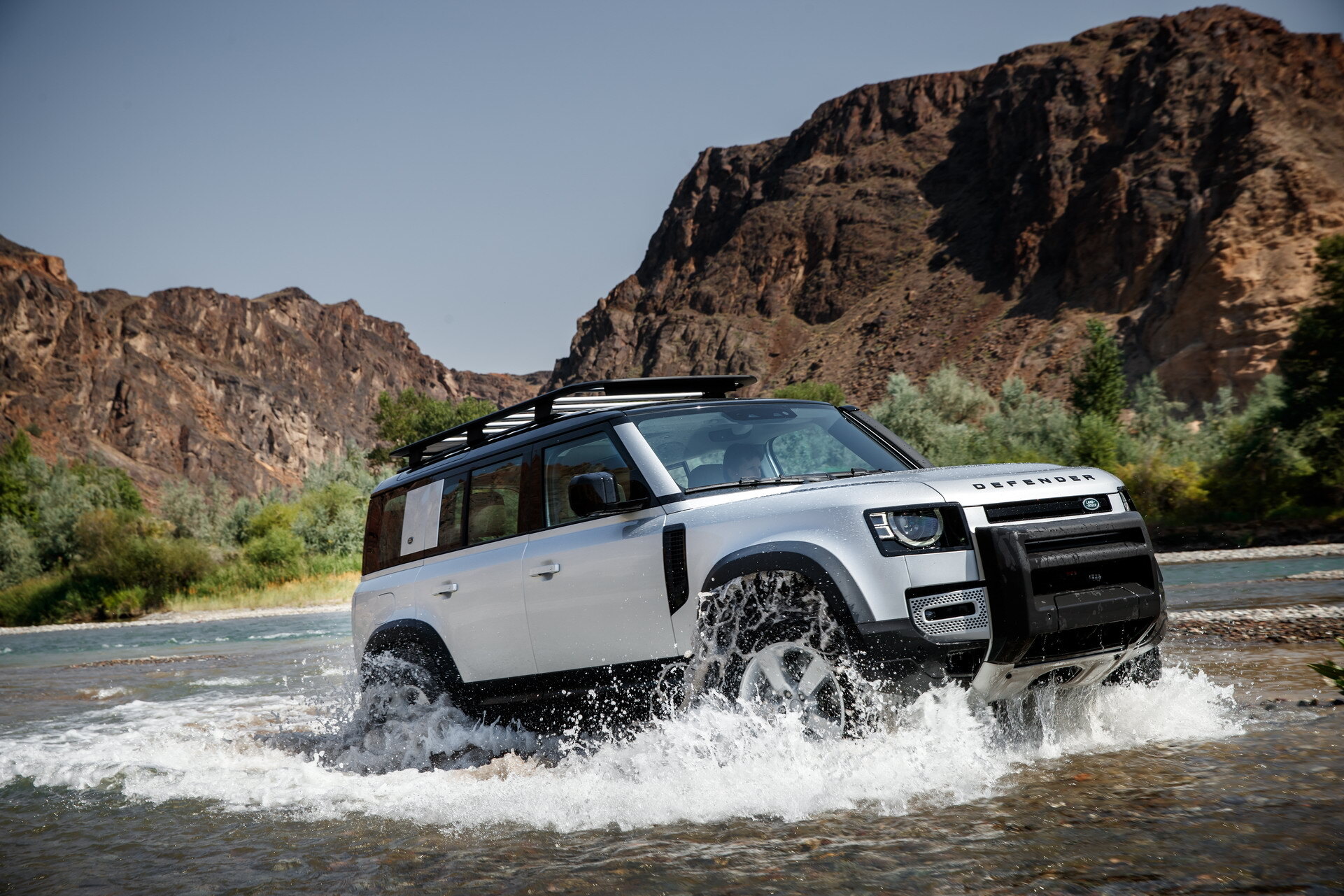
In the next couple of years, Land Rover was expected to launch a new generation of the Defender and, with it, introduce an all-electric model. A new report claims these plans have been delayed by two years, although this pause will not impact the long-awaited baby Defender.
Jaguar Land Rover boss PB Balaji is being pressured to cut costs, especially with the Trump administration’s tariffs in place. It also appears content with the success of the current Defender, and evidently doesn’t feel the need to rush ahead with its replacement.
Read: The Baby Defender Was Supposed To Be Electric, JLR Just Changed Its Mind
While the existing Defender, launched in 2019, remains relatively fresh, JLR has previously said its architecture cannot support an all-electric version. As such, a new model will be needed should the automaker choose to offer it as an EV, like it will with the new baby Defender. With the delay, The Times reports the new Defender won’t launch until the 2030s, although a specific date isn’t yet known.
Company staff have reportedly been told that the two-year delay is due to the current model’s success. Roughly 110,000 examples are being sold each year, or roughly a third of JLR’s total volumes.
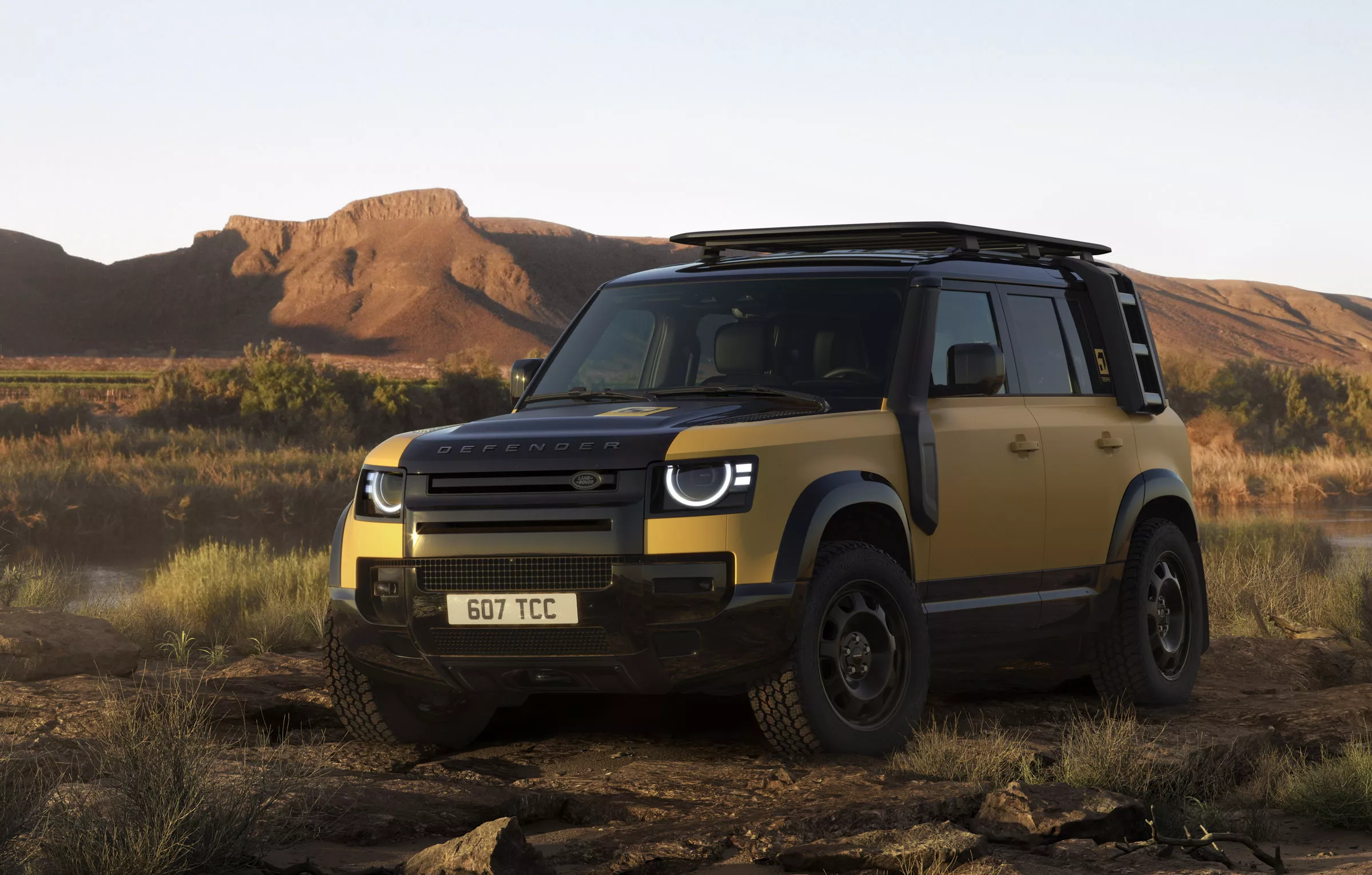
The current Land Rover Defender is subject to a 15 percent tariff when imported into the United States because it’s assembled in Slovakia.
Jaguar Land Rover’s plans for the baby Defender have also changed in recent months. Initially, the EMA-platform-based compact SUV was set to be sold exclusively as an EV, but it was recently revealed that the vehicle’s architecture is being modified to support hybrid powertrains as well. Limited details are known about the new hybrid model, but it will not be a plug-in hybrid, instead utilizing a more traditional setup. This change has happened amid ongoing shifts in consumer demand in some markets away from EVs and towards hybrids.