











CONS ›› Expensive, No physical switchgear, some cheap plastics
There are plenty of luxury SUVs that make a long drive comfortable. Fewer make you look forward to the winding roads between stops. After driving the Range Rover Sport from Denver to Aspen and then down to Colorado Springs, I can say this one does both very well. Better yet, it doesn’t need a V8 to pull it off.
We’ve already spent time in the V8-powered Sport and its plug-in hybrid sibling. This time, the P400 Dynamic SE gave us a chance to see how much of that appeal survives with a less powerful six-cylinder drivetrain. Quite a lot, as it turns out. The engine changes the experience, but the chassis remains the reason to take the interesting route.
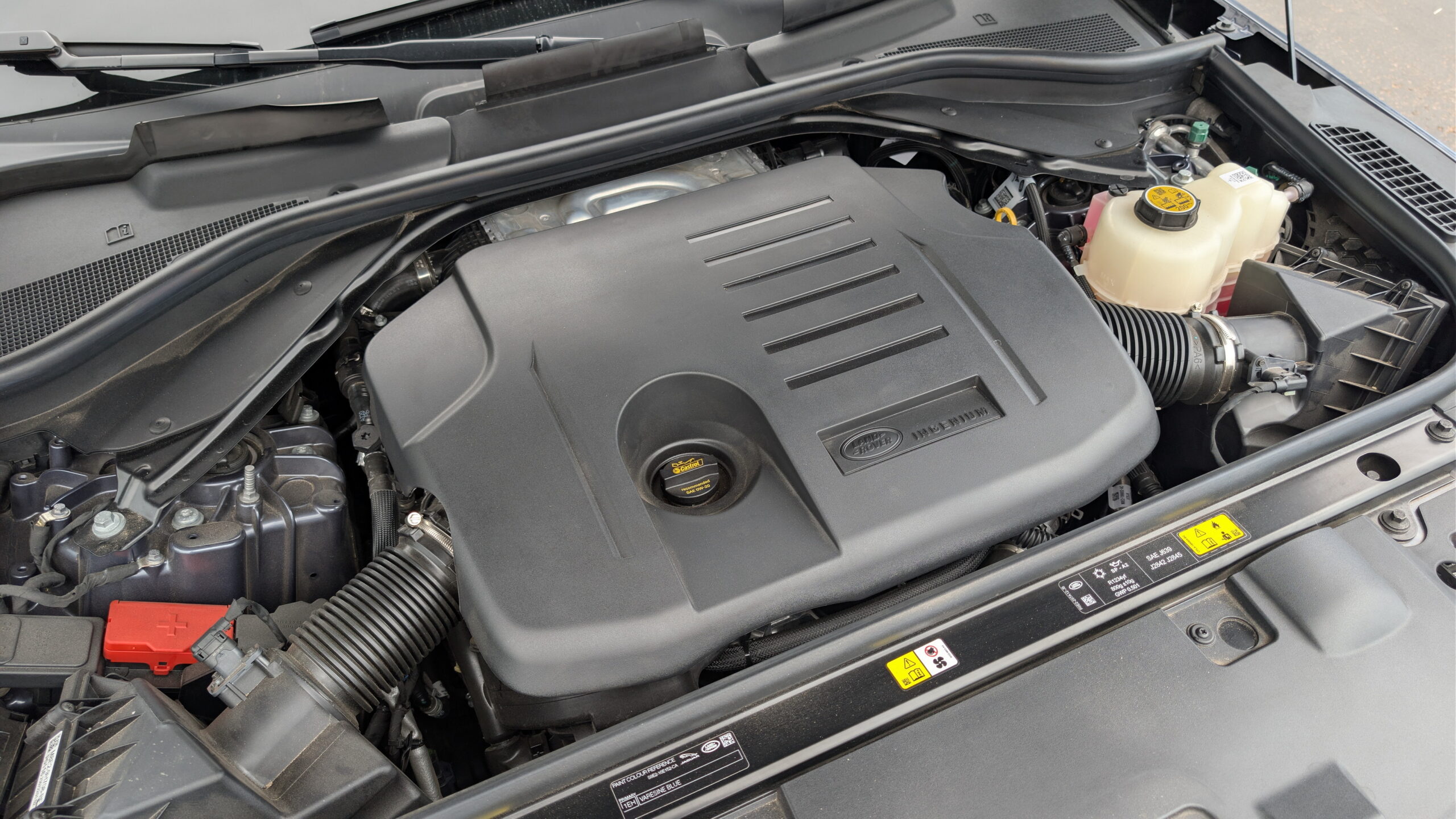
First, an important note. This is the gasoline model, but it isn’t entirely free of electrification. Its turbocharged 3.0-liter inline-six uses 48-volt mild-hybrid assistance. There is no plug to connect or meaningful electric-only driving range to manage. For someone covering a lot of ground, that makes it a very different proposition from the PHEV.
The P400 Dynamic SE starts at $92,650, including $1,850 for destination. We didn’t have our tester’s window sticker, so its exact total remains unconfirmed. Either way, this is expensive transportation. Fortunately, it does a lot to justify the luxury part of that equation, even if a few pieces inside seem determined to undermine it.
Quick Facts
Styling: Get The Red One
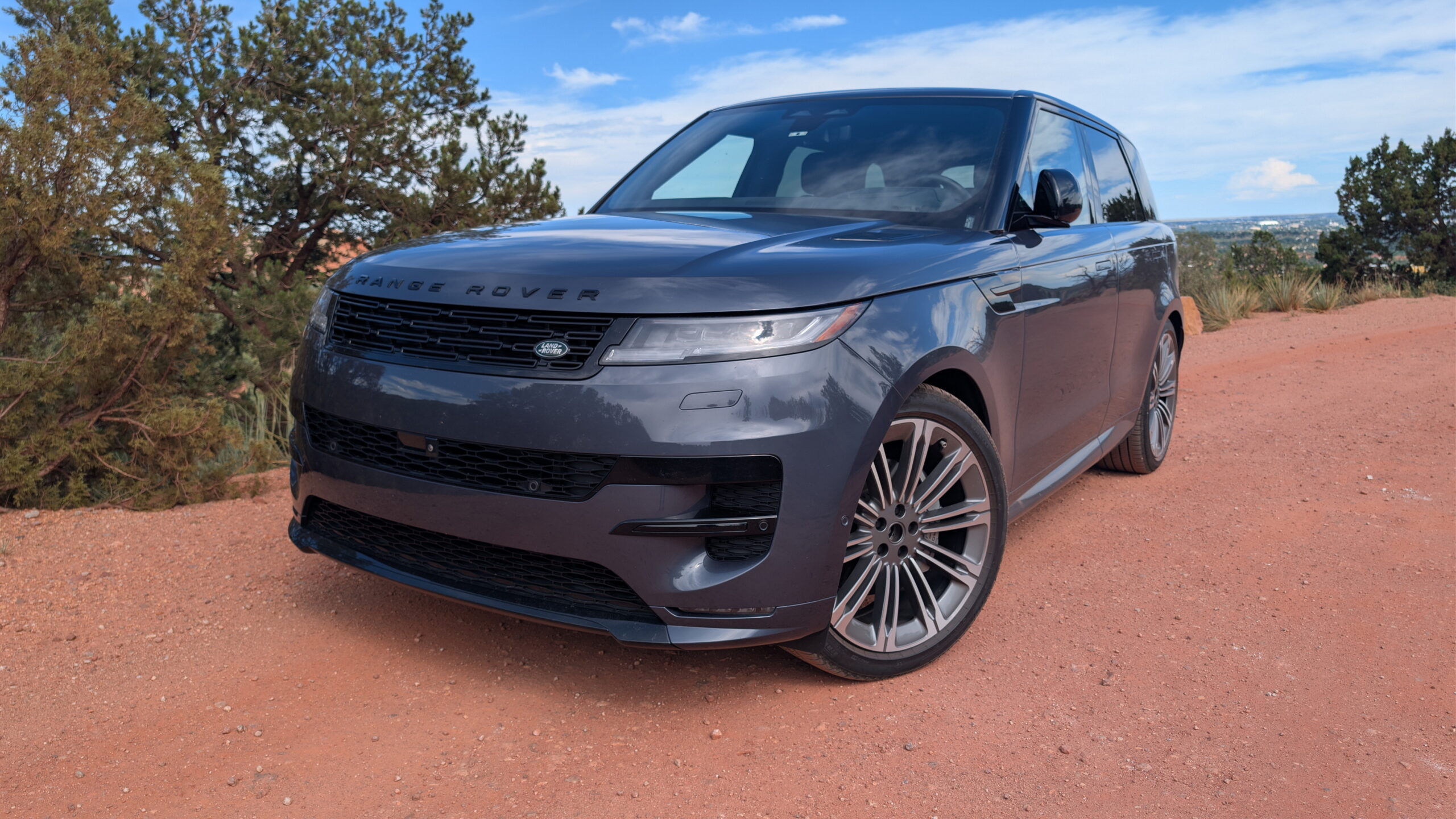
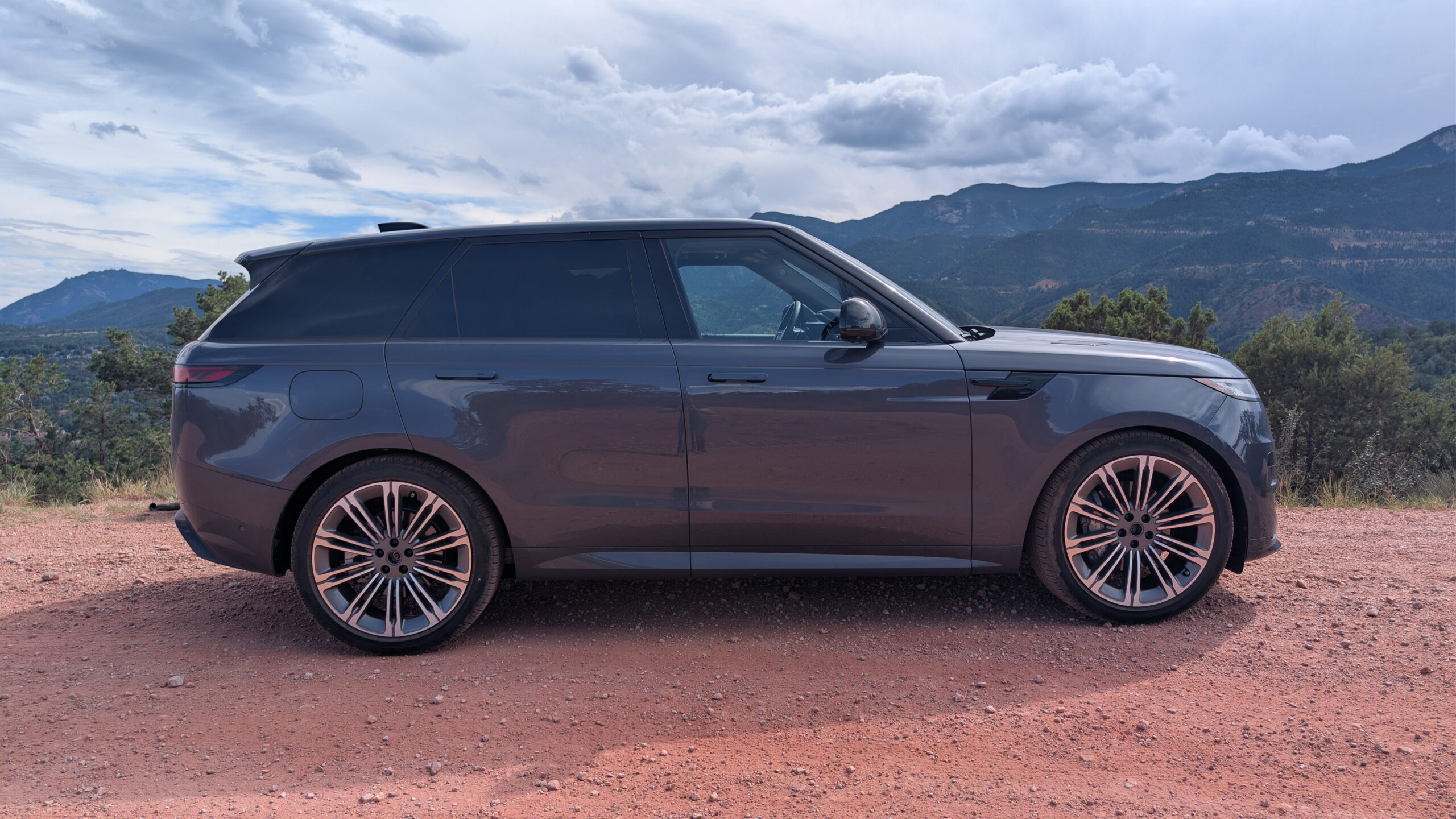
This particular Sport isn’t nearly as attractive to me as the Firenze Red V8 we drove previously. The muted, greenish-gray shade doesn’t have the same presence. The earlier car’s combination of color and detailing looked more aggressive and better matched what I want from something wearing a Sport badge. That’s a comparison between two specific cars, of course. Cylinder count doesn’t make paint more attractive. That said, walking up to this one didn’t produce quite the same reaction.
The underlying design remains excellent. The slim headlights, flush door handles, broad shoulders, and gently descending roofline give it a sense of movement without requiring a collection of fake vents. Range Rover has managed to make a substantial SUV look athletic while keeping the expensive appearance that buyers expect.
A quick note on those handles. They are maddening at times. Occasionally, they work exactly as designed. You walk up, and as you close within a few feet, they pop out. Just as often, though, they don’t respond at all. In fact, at times, they seemed entirely asleep even after tapping the handle with the key in one’s pocket.



Let’s get back to the overall design, though. This thing avoids looking like a slightly smaller version of the flagship with all the same visual weight. The Sport’s body feels more tightly drawn, particularly around the nose and rear glass. That distinction matters. It should look like the member of the family that wants to go for a passionate drive.
More: Range Rover Built An SUV That Would Rather Be A Sedan
The wheels help, too. This tester’s intricate, contrasting multi-spoke design looks great and, to my eye, works considerably better than the wheels on our previous PHEV. I’d choose a different paint color, but I wouldn’t be in a hurry to change those.
Interior: Mostly Worth The Cash
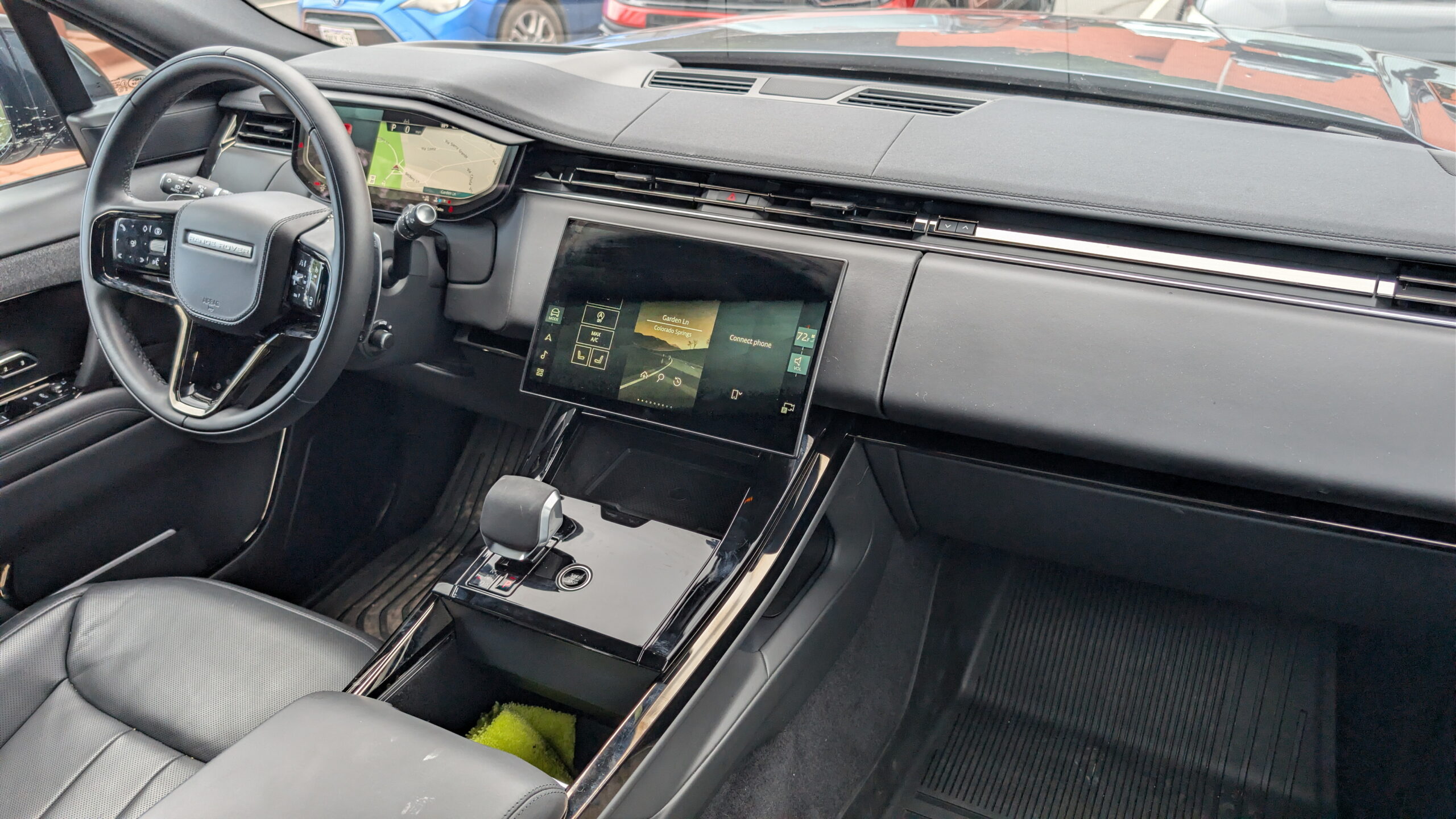
Open the door, and the cabin makes a strong first impression. The leather is lovely, the soft-touch surfaces feel appropriate, and even the higher-quality synthetic trim contributes to an expensive atmosphere. The dashboard is clean without feeling empty, and the front seats are exceptionally comfortable and highly adjustable. I, for one, love being able to add lateral bolstering support on spirited drives and remove it for highway slogs.
That last point matters more after a trip like this than it does after a few minutes in a showroom. Between the driving position and supportive cushioning, the Sport makes spending hours behind the wheel easy. The individual inboard armrests are another welcome touch. There is a lot here that feels thoughtfully designed around the people using it. Then you start touching the shiny black bits.


We’ve complained about the piano black plastic in both previous Sport reviews, and another drivetrain hasn’t improved it. The center console collects smudges and fingerprints almost immediately. Worse, some of those surfaces look and feel cheap in a cabin that otherwise does a convincing job of feeling special.
The steering wheel is a particularly frustrating example. Its glossy control panels attract fingerprints and the touch-sensitive interfaces aren’t especially satisfying to use. They work, but the interaction doesn’t match the quality suggested by the leather surrounding them. The Defender’s steering wheel feels more expensive to me, which is a strange result given where these vehicles sit in the lineup.
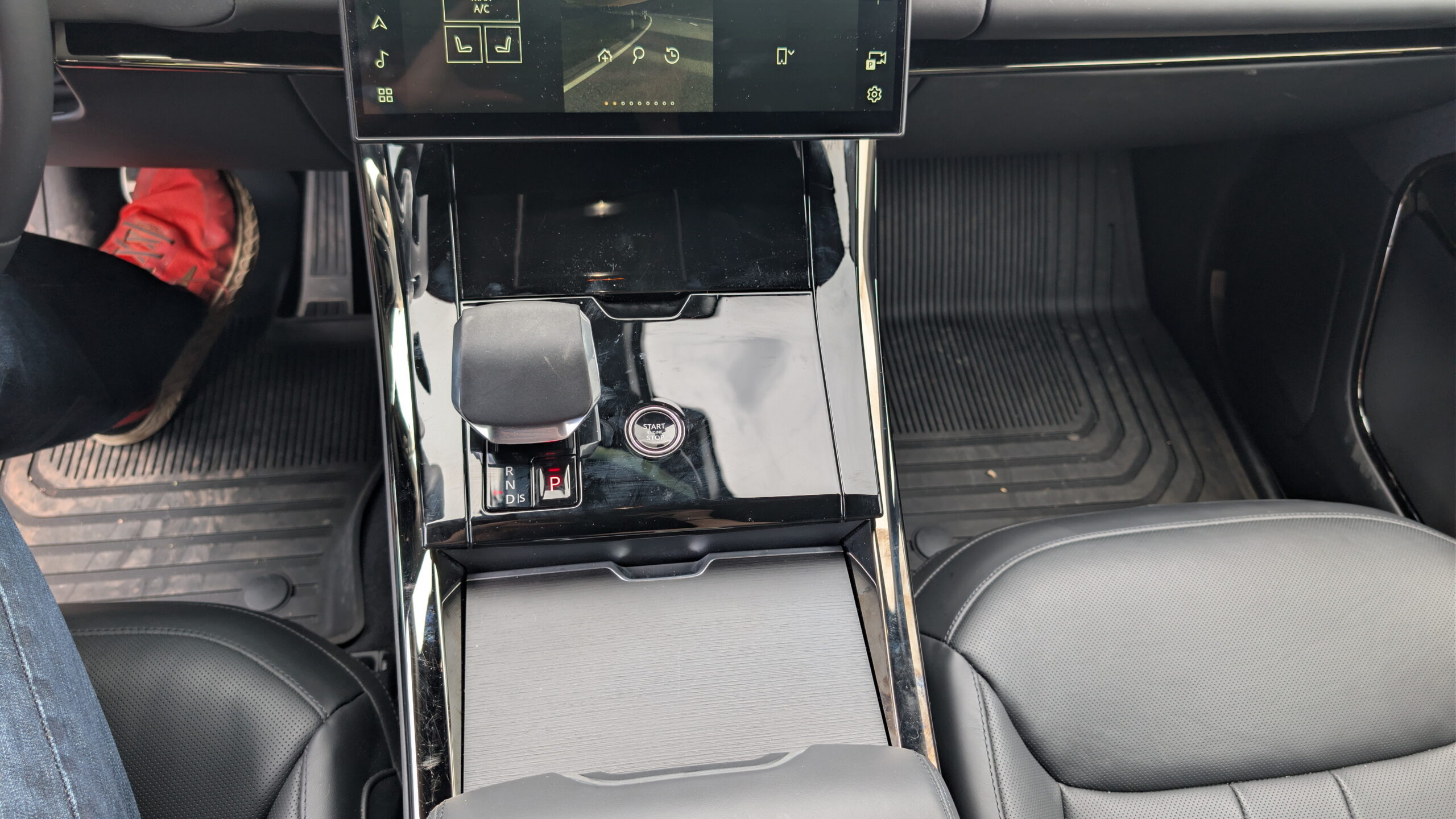
The center console could also use a rethink. There is useful storage here, but the broad upper surface and chunky electronic gear selector don’t make particularly good use of the available space. The shifter’s shape is awkward, and operating it feels less substantial than I’d like. It occupies a prominent spot without adding much to the cabin experience.
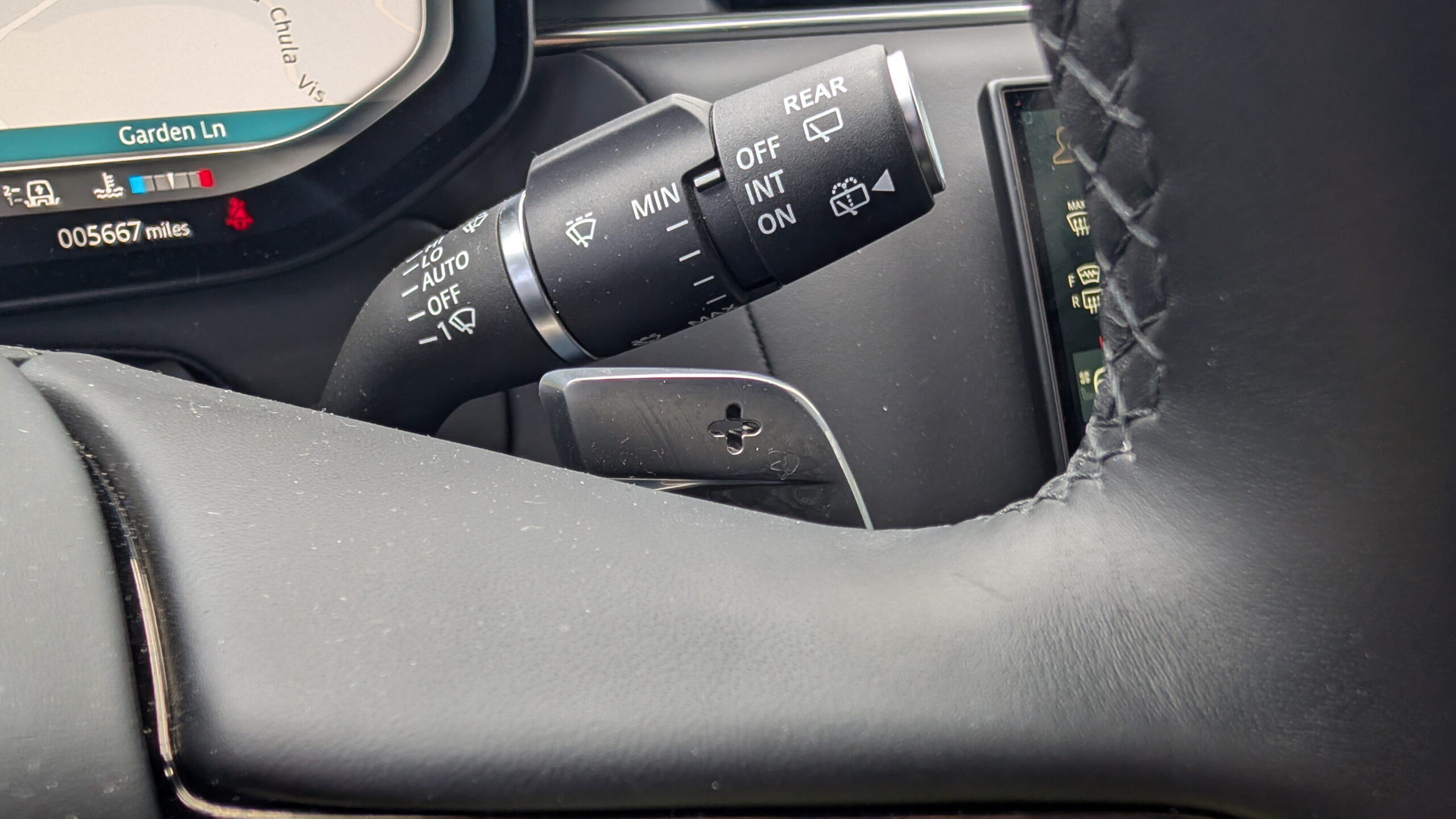
Look just behind the steering wheel for proof that Range Rover knows how to get this right. The metal paddle shifters feel outstanding. They have the solidity and tactile appeal that more of the switchgear should offer. I annoyed my wife as I mindlessly tapped these paddles over and over at stops because they just feel and sound good. Better consistency would make a very good cabin much harder to criticize.
The rear seats are comfortable and adjustable, and most passengers should have no trouble settling in. At 6-foot-6, I found the space a little cramped. That’s useful context for similarly tall buyers, but it doesn’t make this a tight cabin for everyone else. Rear passengers also get proper attention through the heated seating and their own climate controls. Again, those controls feel special in a way some of the driver’s glossy switchgear doesn’t. It’s nice to see the people in back get something more thoughtful than a couple of flimsy buttons.


The cargo area is spacious, easy to use, and well suited to the gear that comes with a trip like this. A switch lets you lower the vehicle to make loading easier. It’s a simple convenience that makes a tall SUV less of a chore when you’re dealing with heavier items. Range Rover also offers a broad range of accessories. Some organize and protect the load space. Others add coat hooks or other things to the cabin. Depending on your hobbies, that could matter more than another decorative trim package. This remains a five-seat SUV, but it has plenty of practical appeal beyond carrying people.
Infotainment: Push Past The Learning Curve
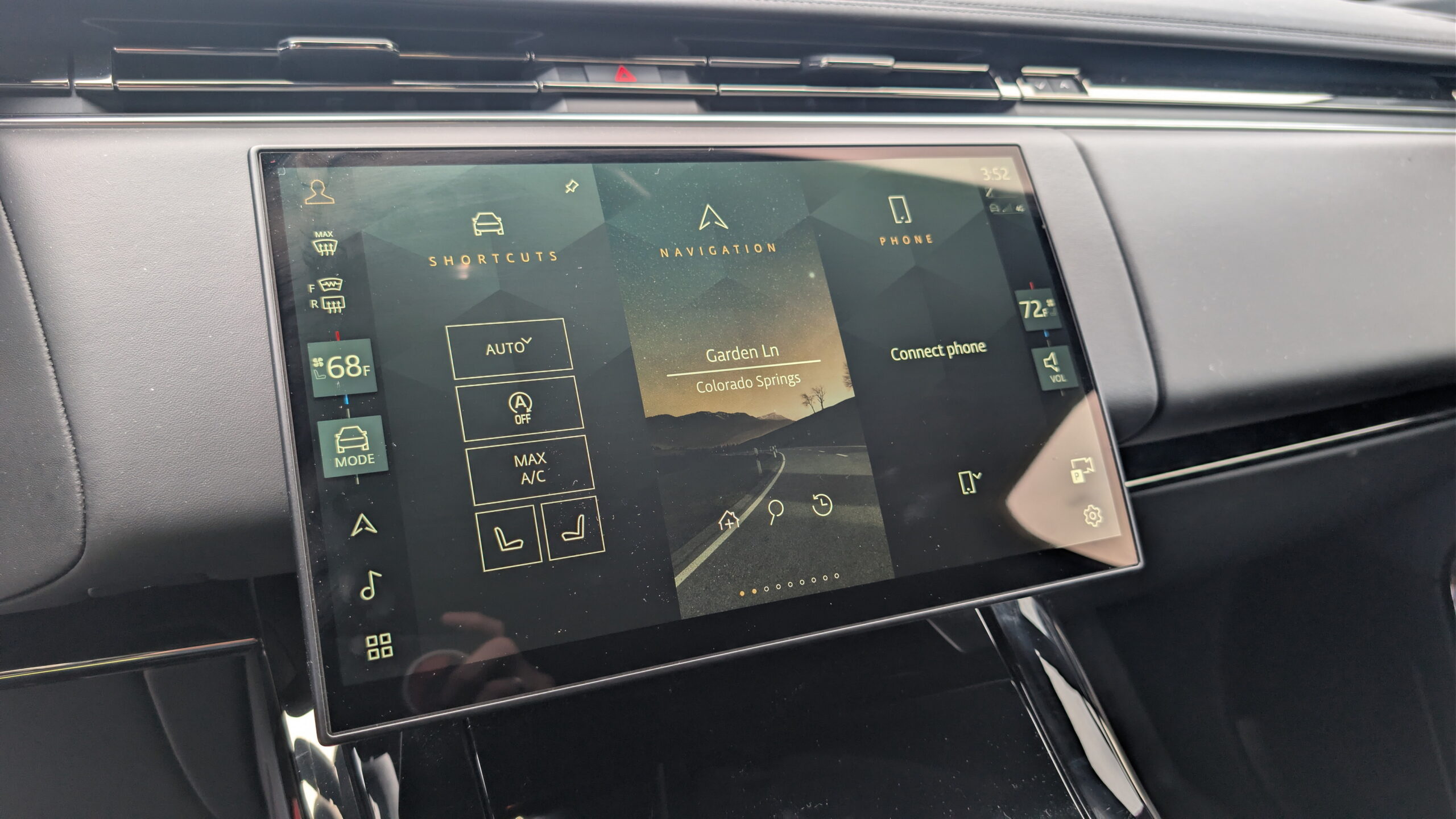
Pivi Pro, the name of Range Rover’s user interface, remains one of the brand’s strengths. I wouldn’t expect somebody climbing in for the first time to immediately understand every control, but its logic becomes clear with use. Once familiar, it is easy to get along with. The volume control is a great example. Range Rover places it on the passenger side of the touchscreen, where the person sitting there can reach it easily. The driver already has a volume control on the steering wheel. Giving the passenger convenient access to a separate one is a small decision with a real benefit.
Compare that with vehicles that place the main volume control near the driver and then duplicate it on the wheel all of seven inches away. That arrangement works, but it doesn’t give much thought to reality. Here, the screen feels like something both occupants are supposed to use.
That said, I’d still prefer physical front climate controls. The on-screen shortcuts are good, but that doesn’t stop a proper button or dial from being easier to find by feel. The rear controls make the point rather well: they feel substantial and distinctive instead of like an afterthought. The fitted Meridian 3D sound system is excellent, with satisfying bass and enough clarity to make the longer stretches enjoyable. Between that and the seats, the Sport has the basics of a good road-trip cabin covered and then some.
There was one annoying connectivity quirk. At times after parking and walking away, my phone would route audio back to the car while I was inside my accommodation. Other Pivi users have reported similar lingering connections after shutdown. Regardless, a system this pleasant to use while driving should be better at knowing when the drive has ended.
Driving: The Six Is Plenty
The P400 produces 395 hp (294 kW) and 406 lb-ft (550 Nm), with an eight-speed automatic sending power to all four wheels. Range Rover quotes a 0–60 mph (0–97 km/h) time of 5.2 seconds. That is comfortably quick, even if the V8 offers another level of acceleration and theater.
What stood out more on this trip was the way the six-cylinder responded once the car was already moving. Initial throttle tip-in felt a little snappier than in the plug-in hybrid we’d driven. You don’t need to make excuses for it on a mountain road. There is ample performance to enjoy the chassis, and the delivery feels natural. The engine isn’t the main event in quite the same way as the V8, but it certainly doesn’t spoil the show.
The handling is exceptional for a vehicle of this size. Colorado provided plenty of corners and elevation changes, and the Sport took them in stride. It turns in confidently, keeps its body movements well controlled, and makes placing a large SUV on a winding road feel surprisingly pleasurable.
The steering helps enormously. It’s responsive and predictable, giving you a clear sense of what the vehicle will do with an input. The brakes deserve similar praise. They’re easy to modulate when you want a gentle reduction in speed and sharp when you need a more decisive response. Together, those controls make the Sport feel cohesive.
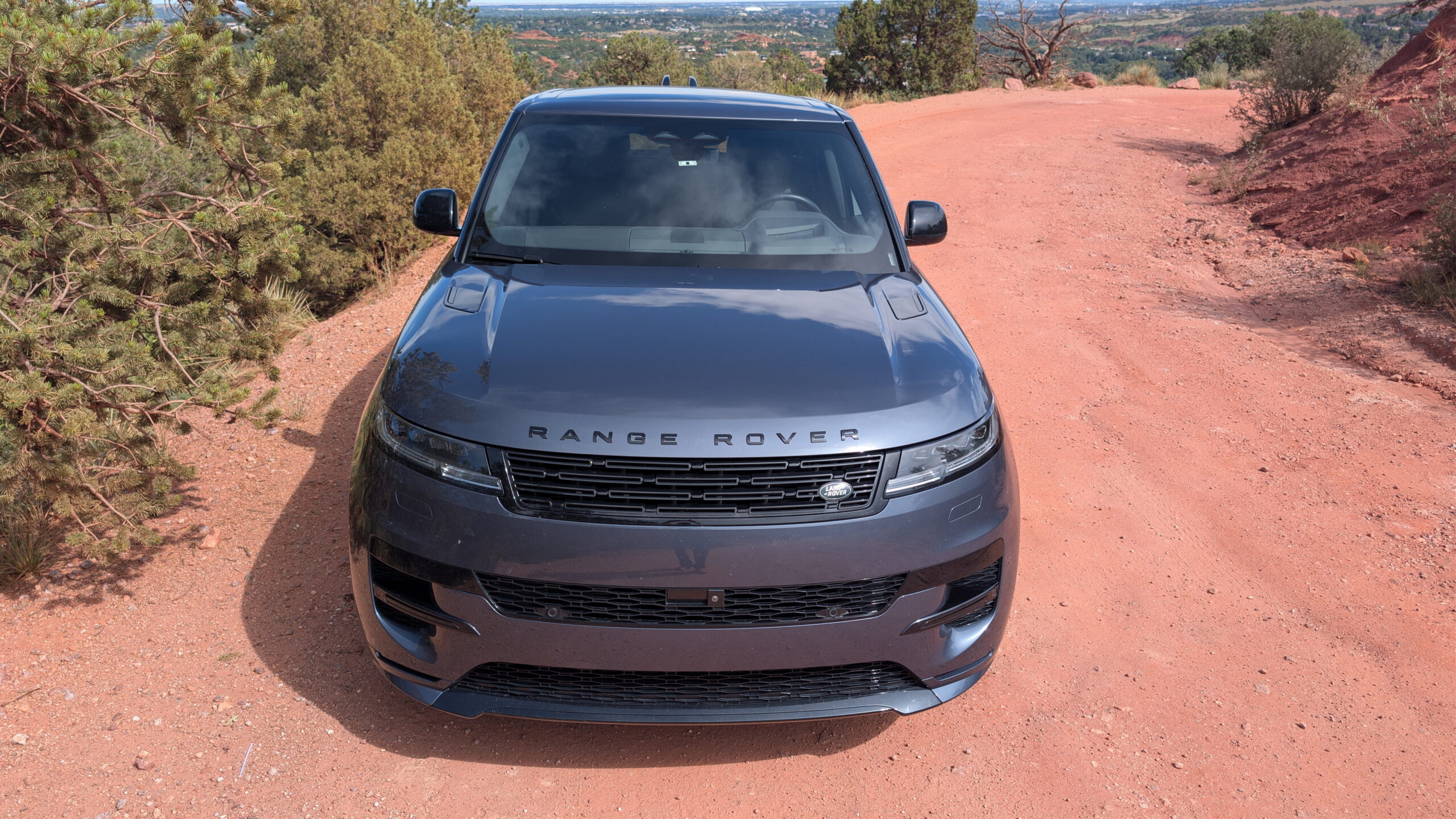
At times, the ease with which it manages its bulk almost feels like a magic trick. You have all this passenger space and a useful cargo hold, yet the vehicle doesn’t constantly remind you of the compromise you’ve made to get them. It encouraged me to enjoy the drive rather than simply tolerate the miles between destinations.
Just as impressive is the way it settles down again. The suspension’s composure doesn’t come with a punishing ride. When the road straightens out, the Sport returns to being a comfortable, relaxed place to spend time. That breadth of skill is what makes it such a good traveling companion.


I also drove the Porsche Cayenne Electric on the same trip. That vehicle was more impressive from a technological standpoint, but the Range Rover felt more immediately approachable to me. Its responses felt natural, and it had an appealing bit of liveliness. The Porsche impressed me with what it could do. The Sport made enjoying the drive feel easy.
I took the Sport off-road during the trip, and it had no trouble with the terrain we encountered. That doesn’t turn this drive into an exhaustive test of its limits, but it does reinforce how useful its range of abilities can be. Most owners aren’t going to spend their weekends looking for the hardest trail they can find. For those who do prioritize that sort of use, a Defender is an obvious place to look within the same family. The Sport makes sense for someone who wants excellent road manners and the ability to venture off the beaten path occasionally.
Competition And Verdict
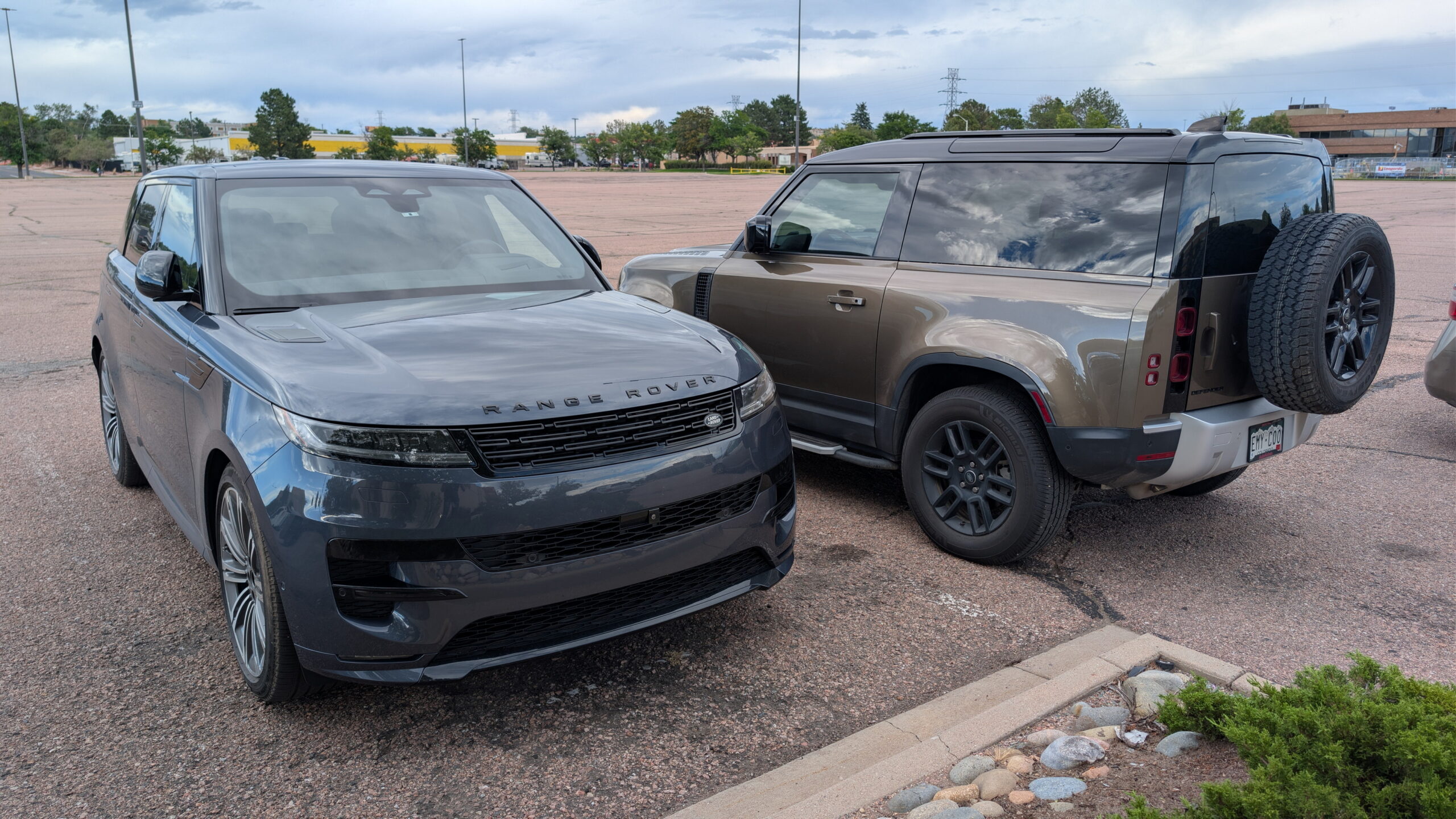
The Porsche Cayenne and BMW X5 continue as obvious alternatives. I’d still put the Cayenne high on the list for somebody whose first priority is driving engagement, while the X5 deserves a look from anyone shopping for a capable six-cylinder luxury SUV. The Genesis GV80 is another sensible comparison for buyers more focused on cabin comfort, presentation, and overall value.
Within the Sport lineup, the choice is more personal. The V8 supplies the excitement and soundtrack. The plug-in hybrid gives owners a reason to charge regularly and enjoy quiet, classy, electric driving. The P400 delivers much of the same core experience without making either of those characteristics central to the purchase. It is still expensive, the piano black plastic remains a poor choice, and that phone connection quirk needs attention. I’d also order a color with more personality. None of that takes much away from what this SUV does well once you’re moving.
After Denver, Aspen, and Colorado Springs, the six-cylinder Sport left a strong impression. It carried the gear, kept me comfortable, handled the mountain roads beautifully, and made the trip more enjoyable. I still prefer the look of our red V8, but the P400 makes a convincing case that the Sport’s best quality isn’t the number of cylinders under its hood. It’s how well the whole vehicle engages the driver.