- Texas has finally legalized Japanese Kei cars older than 25 years for road registration statewide.
- Senate Bill passed with overwhelming support, bypassing the governor’s approval process.
- Previous restrictions made it nearly impossible to legally drive Kei cars in the Lone Star state.
Texas has finally done it. After years of confusing red tape and inexplicable bans, it’s now legal to title, register, and drive an imported Japanese Kei car in the Lone Star State. If you’ve always dreamed of owning one of these tiny vehicles, now is your chance, without having to deal with the headaches many existing owners have endured over the years.
As we reported back in March, Senate Bill 1816, introduced by State Senator Kelly Hancock, sought to reverse a ban on Kei cars that was introduced in 2021. Earlier this year, the Texas House of Representatives voted unanimously to pass the bill, meaning it will now become law. As it exceeded the two-thirds vote threshold in both chambers, the bill doesn’t require the Governor’s tick of approval to become law.
What This Means for Kei Car Owners
Importing and registering a Kei car in Texas will now be the same process as it is for any other full-sized car that wasn’t originally sold in the U.S. As long as the vehicle is 25 years or older, it can be driven on Texas roads. No extra forms, no vague gray areas, as it’s treated like any other classic import.
Before this bill, driving these mini-cars and trucks from Japan legally proved to be an issue for many people. Interestingly, the definition of what constitutes one of these vehicles has changed substantially from the bill originally introduced in early March to the one that just passed through the House.
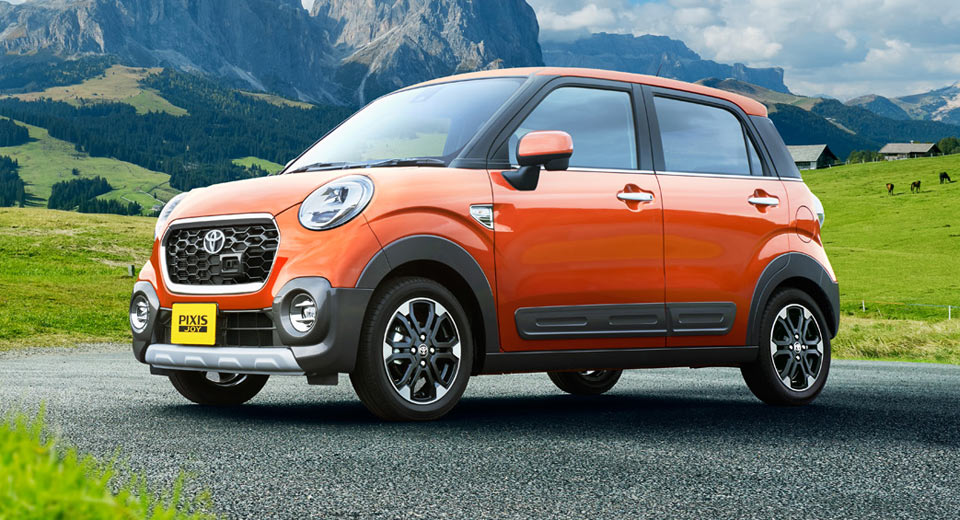
The Definition Got a Makeover
Interestingly, the definition of a Kei car went through a quiet transformation from when the bill was introduced in early March to its final version. Originally, the bill specified that these vehicles had to be built in Japan, with combustion engines smaller than 1.2 liters, a top speed of at least 50 mph, and capped dimensions: no more than 60 inches wide, 140 inches long, and 80 inches tall.
But by the time it reached the finish line, the description had become far less rigid. As pointed out by The Autopian, the final bill refers to these vehicles in broader terms, simply as miniature motor vehicles that are self-propelled, comply with federal regulations, and aren’t classified as custom vehicles or street rods. In effect, they’ll be treated like any other imported car under U.S. law.