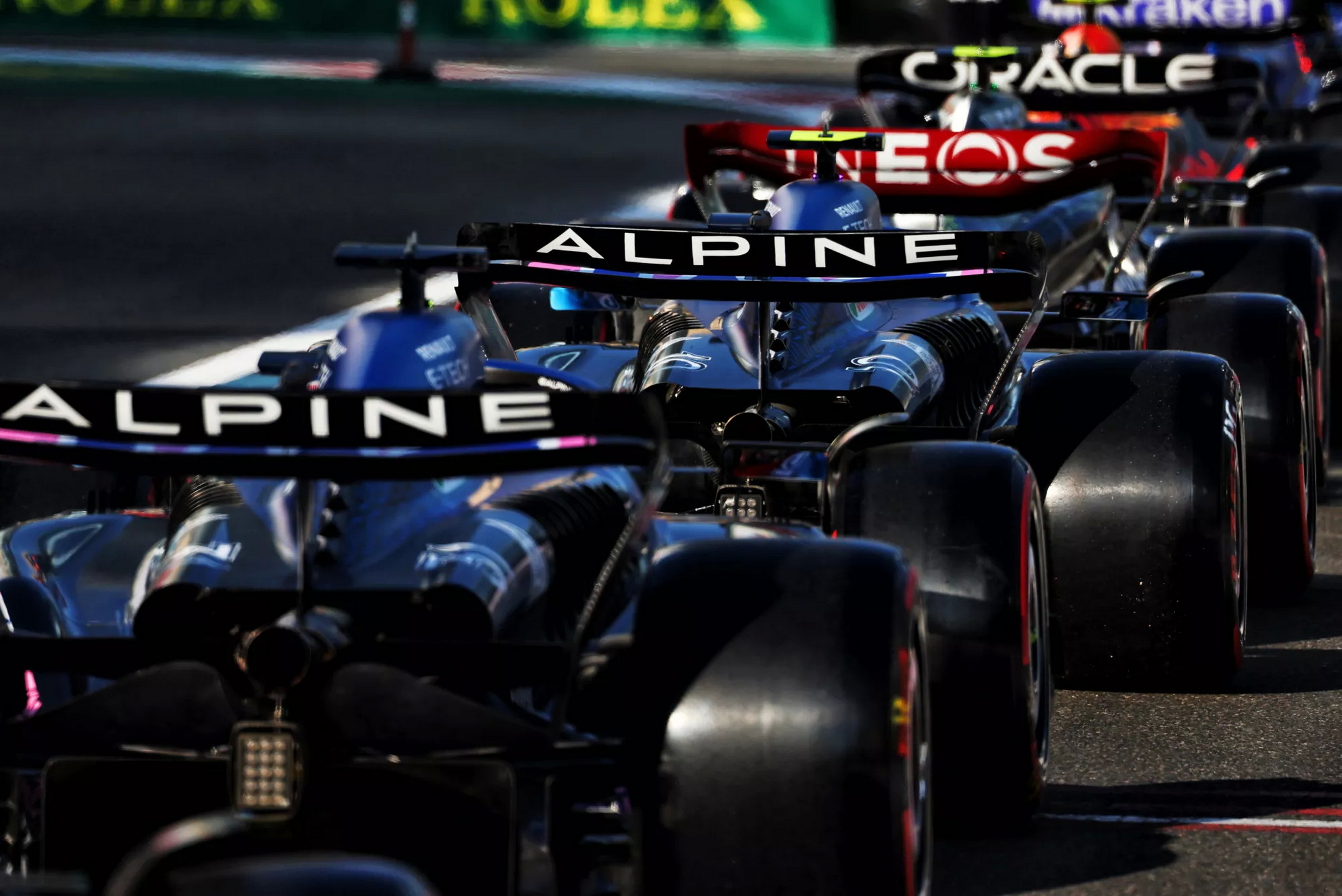










- FIA president hints at V8 engine return in Formula 1 as early as 2029.
- Current 1.6-liter turbo V6 hybrid engines cost more than $2 million each.
- If V8s do return, they’ll use synthetic fuels and some kind of electrification.
In the ever-evolving world of Formula 1, few changes have sparked as much debate as the switch from high-revving V8 engines to hybrid V6s. Back in 2014, the sport traded its 2.4-liter naturally aspirated V8s for 1.6-liter turbocharged V6 hybrids, a move that prioritized efficiency over spectacle.
Now, over a decade later, momentum is building to bring the V8s back, and according to FIA president Mohammed Ben Sulayem, the return could happen as early as the 2029 season.
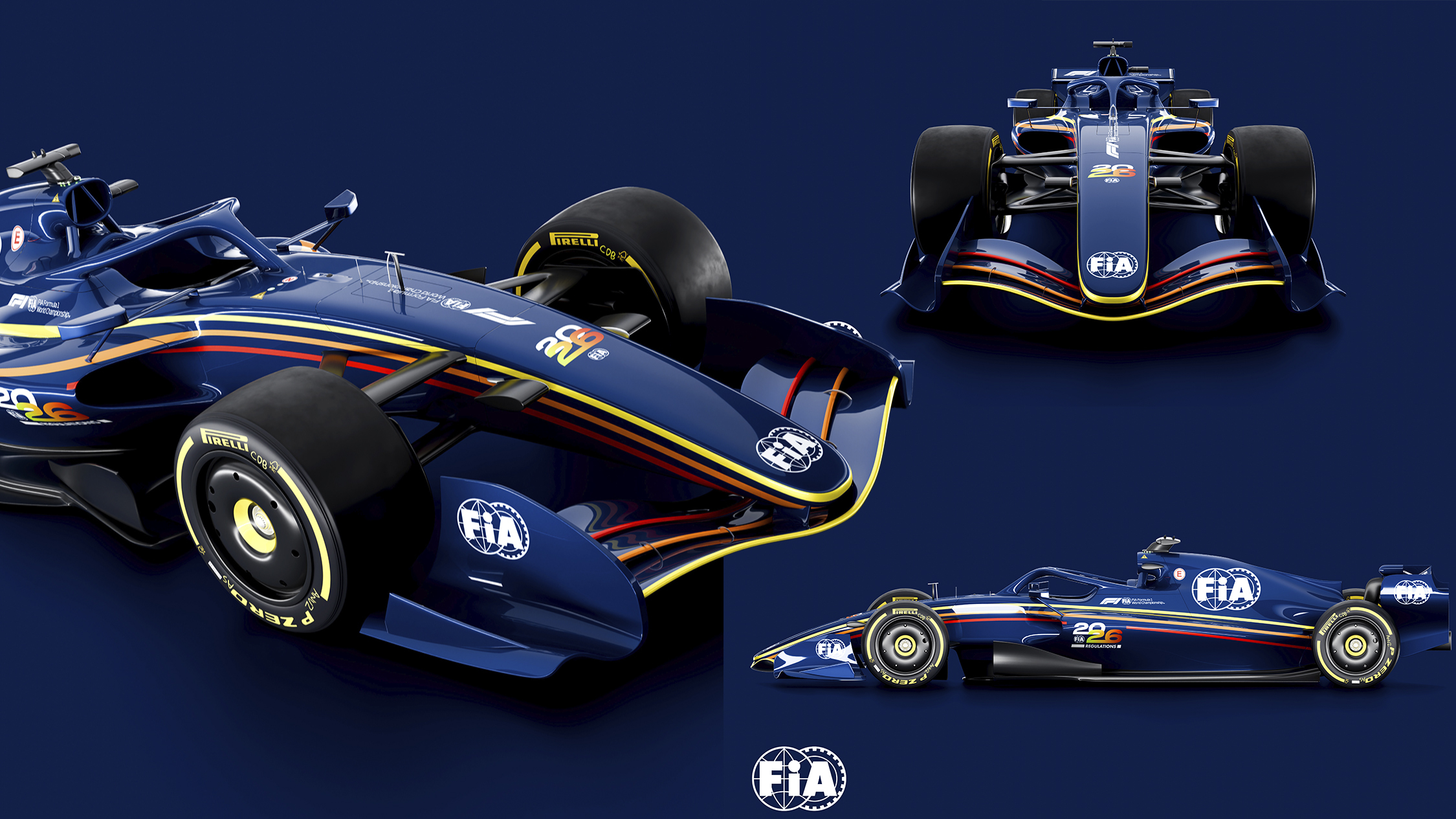
Read: Everything You Need To Know About F1’s New 2026 Regulations
While the switch to turbocharged V6s did help the sport become somewhat more environmentally friendly and was in keeping with the times, the current powertrains have become extraordinarily expensive.
A growing number of voices within the paddock are now calling for a return to simpler, more affordable engines. A naturally aspirated V8 would not only reduce costs but also revive the unmistakable, high-pitched roar that once defined Formula 1’s golden eras of V12s, V10s, and V8s.
Support from Inside the Sport
Speaking at the recent British Grand Prix, Ben Sulayem sounded optimistic. “To us, the V8 is happening,” he said. “With the teams now, I’m very optimistic, happy about it. FOM [Formula One Management] are supportive, the teams are realising it is the right way. We need to do it soon. You need three years, so hopefully by 2029 we have something there, but the fuel is also very expensive, and we have to be very careful with that. Transmissions are very expensive.”
He also spoke to Autosport about the rising costs of the current power units. “The current engine is so complicated, you have no idea, and it is costly. R&D is reaching $200 million, and the engine is costing approximately $1.8 million to $2.1 million, so if we go with a straight V8, let’s see,” he said.
Road relevance
Much like several automakers who prematurely committed to going all-electric, Formula 1 might have jumped the gun in downsizing to V6s. Many car brands continue to build and develop V8 road cars, so it would make sense for the sport to utilize them as well.
While there have been suggestions within the FIA to bring back V10s, V8s appear to be the more realistic option. They not only offer more road relevance but are also lighter and simpler to package. Crucially, any return to V8s would still include modern updates.
Future F1 engines would likely retain some form of electrification and run on sustainable fuels, preserving the sport’s environmental commitments while dialing up the drama on track.