










- Over 320,000 Jeep hybrids recalled for a serious fire risk.
- Action covers 20-25 Wrangler and 22-26 Grand Cherokee.
- Only plug-in hybrid models affected by faulty battery packs.
Jeep owners pride themselves on their SUVs’ ability to go almost anywhere, but about 320,000 of them in the States and another 20,000 in Canada, can no longer just park anywhere.
The outdoorsy Stellantis brand is warning owners to park away from other cars and structures while it remedies a fault that could send models – and anything around them – up in flames.
What’s Causing The Heat?
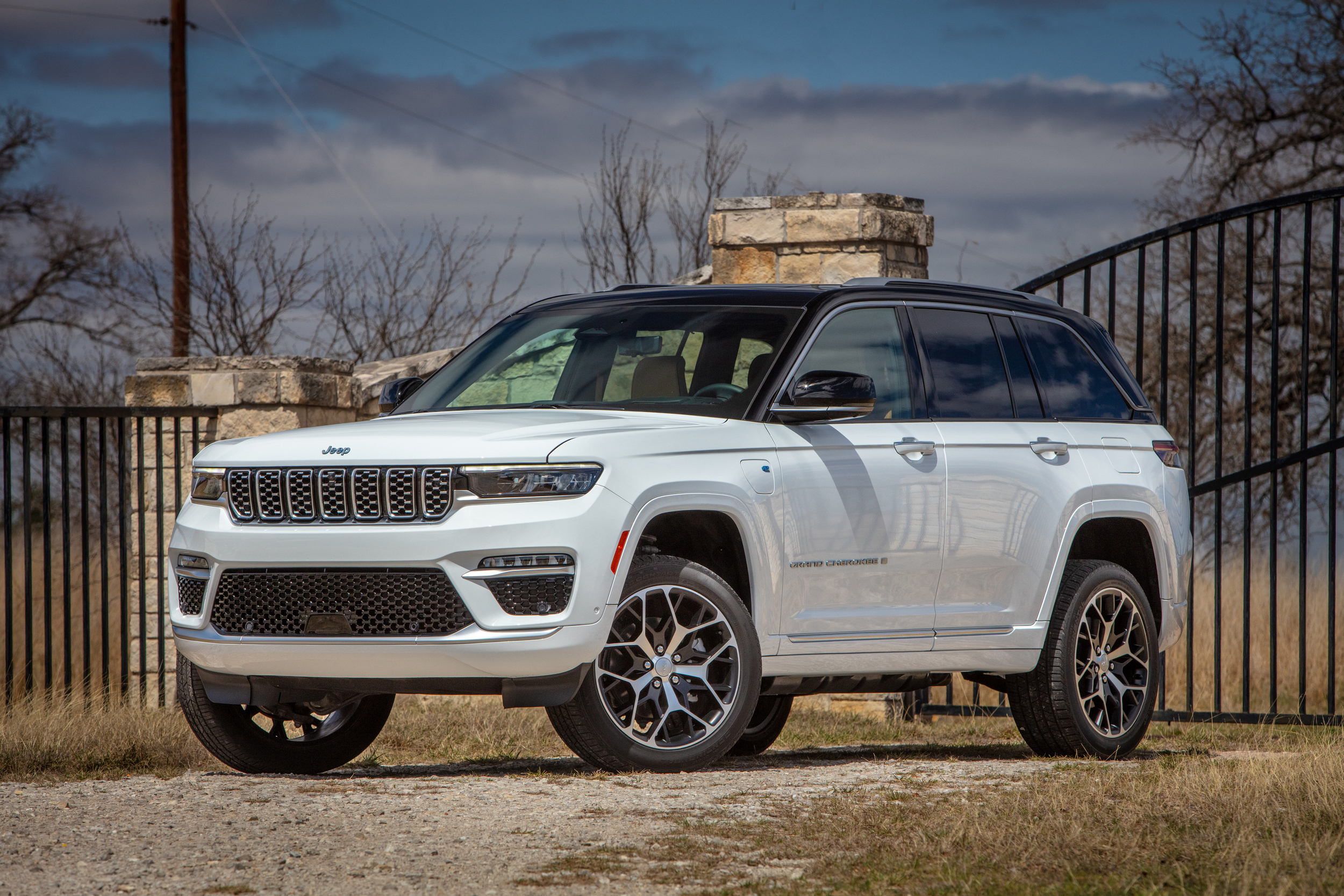
In the US, a total of 228,221 Jeep Wranglers built for MY20-25 and 91,844 Grand Cherokees that rolled off the line for MY22-26 are caught up in a recall related to a fire risk. Only models with a 4xe plug-in hybrid powertrain are a problem because the issue has been traced to the hybrid system’s Samsung battery pack.
Related: Thousands Of Jeep Plug-in Hybrids Could Suddenly Lose Power While Driving
The glitch is a possible defect in the battery cell separator. If that fails, it could cause a short circuit inside the pack and, in rare cases, lead to what automakers like to call a “thermal event,” which the rest of us know as a scary-ass fire.
Stellantis says only around five percent of the recalled vehicles are likely affected, but as with any risk of fire, 5 percent is five too many.

Until the fix is ready, Jeep owners are being asked to keep their electrified adventurers parked outside and away from garages, carports, or anything else flammable. They’re also being told not to charge them until the recall work is complete.
That work won’t happen until December at the earliest, which is when Jeep will start mailing letters to owners. But right now, it can’t say how it’s going to fix the stricken SUVs because it’s still working that bit out.
This is the second Jeep hybrid recall we’ve written about in as many weeks. Late last month, the brand issued a recall for almost 25,000 Wrangler 4xe SUVs after an OTA update gone wrong caused their hybrid systems to go haywire, in some cases losing drive altogether.