- Musk’s 2018 pay package was reinstated by Delaware’s top court.
- The deal is now worth $140B due to Tesla’s surging stock value.
- CEO may earn $1 trillion if Tesla hits future performance targets.
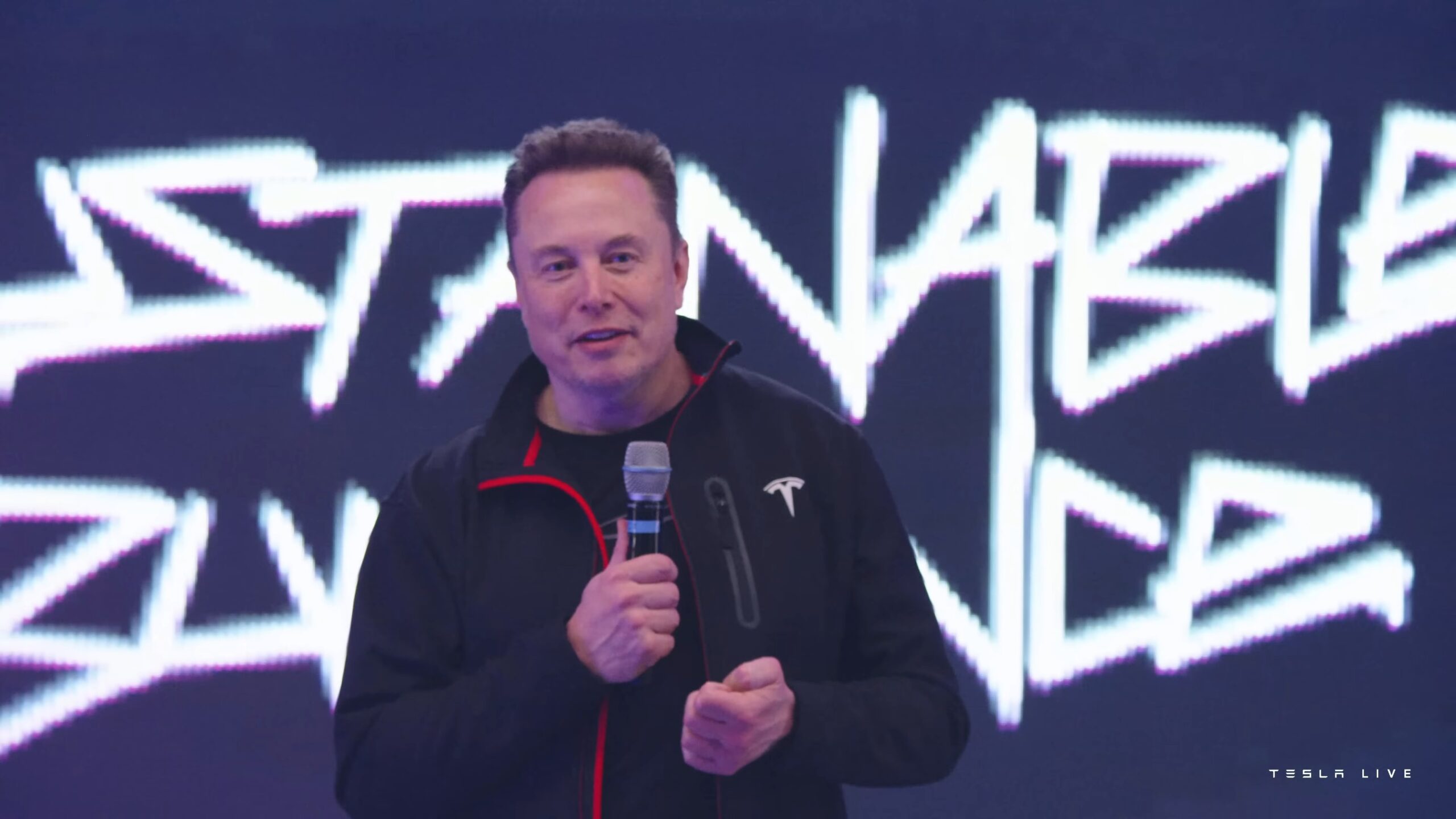
Just when it looked like Elon Musk’s net worth had already hit escape velocity, the Delaware Supreme Court handed down a decision that shifts the trajectory yet again.
The justices have overturned a prior ruling that voided Musk’s colossal $56 billion compensation package from 2018. With a single legal pivot, Musk now stands to grow significantly richer.
Read: Musk Appeals For $56 Billion Tesla Payday, As Firing Thousands Just Doesn’t Pay Enough
Originally announced as the largest pay package in corporate history, the deal has since been dwarfed by a far more audacious proposition: a potential $1 trillion payout if Musk can drive Tesla to meet an aggressive set of performance targets over the next decade.
Through the 2018 plan, Musk was granted options to purchase about 304 million Tesla shares at discounted prices, contingent on the company hitting a series of benchmarks. And it did.
From $56 Billion to $140 Billion
At the time, the deal was valued at approximately $56 billion. But Tesla’s surging stock price has now pushed that number closer to $140 billion, according to the Wall Street Journal, making it more consequential than ever, both financially and symbolically.
However, the court still imposed a symbolic penalty on Musk, ordering him to pay $1 and cover the attorney’s fees, citing the deal’s unfairness.
“We reverse the Court of Chancery’s rescission remedy and award $1 in nominal damages,” the court wrote in its decision. “Given the Plaintiff’s failure to establish his entitlement to any other form of relief, the Plaintiff is entitled to $1 in nominal damages,” it said.
After becoming the first person ever to surpass $600 billion in net worth this week, following reports that his aerospace startup SpaceX was likely to go public, Musk’s fortune has now surged to around $749 billion. The reinstatement of his 2018 pay package also lends weight to his claim that Delaware’s judiciary had overreached.
Despite shareholder approval, the arrangement was struck down in 2024 by Delaware Judge Kathaleen McCormick, who found that Tesla’s board was compromised by conflicts of interest and that critical details had been withheld from investors. McCormick also determined that the board operated under Musk’s influence rather than independent oversight.

Musk hit back, accusing Delaware judges of being activists and called on other business leaders to reincorporate in other states. This week, the Delaware Supreme Court announced that Musk’s compensation plan would be restored, pointing to procedural flaws and misinterpretations in the original judgment.
“It is undisputed that Musk fully performed under the 2018 grant, and Tesla and its stockholder were rewarded for his work,” the judges said in their ruling, according to AFP.
It is unlikely that Musk’s newer, $1 trillion pay package will go through the same legal drama. The original compensation plan went to the courts after Tesla’s board was sued by Richard Tornetta, a man with nine shares in the EV firm.
Who Can Sue Tesla Now?
Since then, Tesla has changed its legal home. Now incorporated in Texas, the company operates under rules that significantly raise the bar for shareholder lawsuits. Under current Texas law, any party attempting to sue over corporate governance must hold at least 3 percent of the company’s stock. As Al Jazeera notes, only one person meets that threshold right now: Elon Musk.