- Canada cut tariffs on Chinese EVs from 100 percent to 6.1.
- Trump threatened 100 percent tariffs in response to deal.
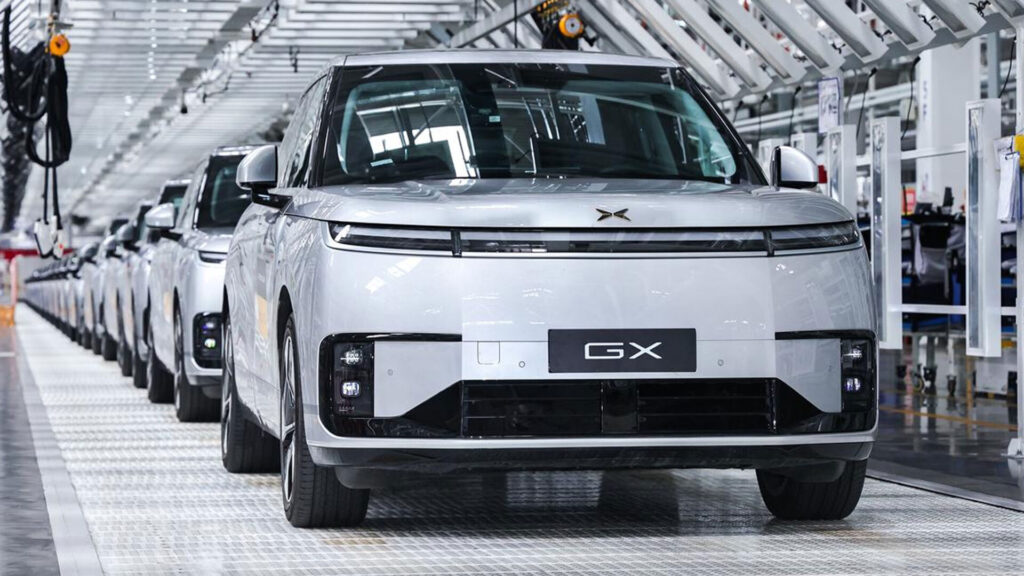
- China now wants to build EVs in Canada with local partners.
Canada’s recent trade deal with China was bound to cause controversy. The agreement slashes tariffs on Chinese EVs from 100 percent down to just 6.1 percent, prompting U.S. President Donald Trump to threaten 100 percent tariffs on Canada if the deal proceeds. Still, China insists the arrangement is meant to benefit both countries and isn’t a zero-sum game.
Under the new deal, up to 49,000 EVs from China can be imported to Canada at a reduced 6.1 percent tariff rate, though at least half of them must cost $35,000 or less by 2030.
Read: Canada Just Invited China’s Biggest EV Makers To Build Cars On America’s Border
Unifor labor union president Lana Payne argues the deal opens the door for China to quickly capture critical market share. Ontario Premier Doug Ford has voiced similar concerns, warning that Canada could be inundated with low-cost EVs, without any firm commitment from China to invest in the local economy.
Beijing Signals Willingness to Build in Canada
Despite those concerns, Chinese Ambassador to Canada Wang Di says China’s fast-growing automakers are being urged to invest directly in Canada and produce vehicles domestically.
“All these projects will be beneficial to the development of the Canadian EV industry, and will be helpful for job growth in Canada, and will help Canadian consumers to be able to buy higher quality and more affordable cars,” Wang told CTV News. “The character of China-Canada practical co-operation is complementarity and mutual benefit.”

“China encourages and supports Chinese companies to make investments and start-up companies here in Canada, on the basis of the market rules,” he continued. “At the same time, we hope that the Canadian side will provide a fair, non-discriminatory, and predictable business environment for the Chinese companies that come here.”
According to Wang, that is what Beijing ultimately wants to see, if companies choose to take up the opportunity.
“If Chinese companies will come to Canada to work with Canadian partners for investment, for opening factories or for joint ventures, all of these projects will be win-win,” he said.
Is This a Message to Washington?
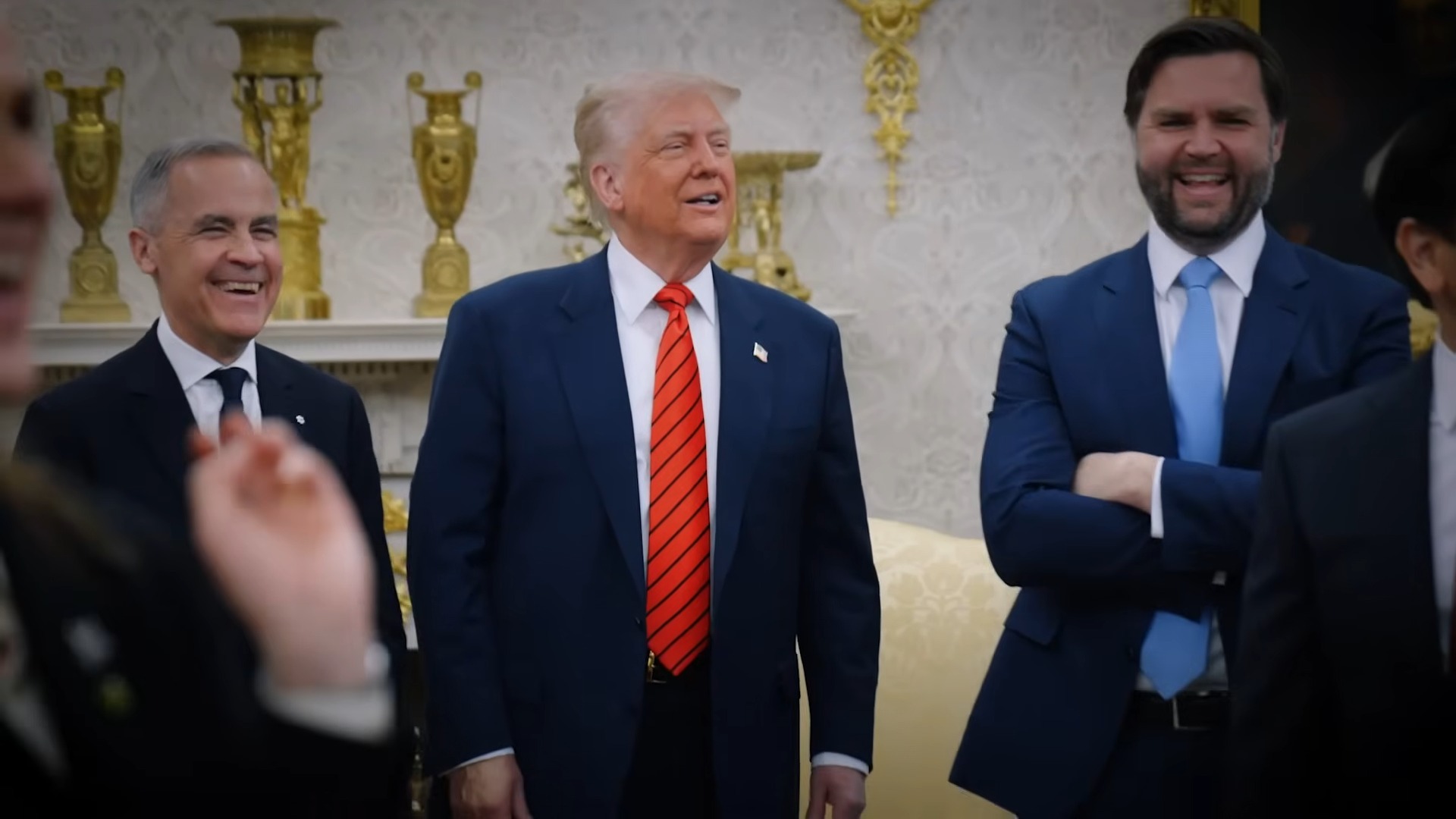
Perhaps in a thinly veiled swipe at the Trump administration, Wang added that “unlike some other countries, China will not only take into consideration of its selfish interest, we don’t want ‘only we win and others lose.’”
The head of the Canada-China Energy and Environment Forum, Wenran Jiang, would like to see Canadian juggernaut Magna International partner with a Chinese car manufacturer to build EVs in Canada. Recently, it was confirmed that Magna would partner with GAC to build the Aion V, but it’ll be built at the parts giant’s factory in Graz, Austria.
“If they can do that, we can do it certainly here in Ontario,” Jiang said, adding that such cooperation could help bridge regional divides over China policy. “We could do probably better if we leverage our regional advantages and work together as a team.”