- Volvo’s SPA3 platform debuts with the new EX60 electric SUV.
- Battery cells can now be mounted outside the wheelbase zone.
- Platform lets Volvo build sleeker EVs without crossover height.
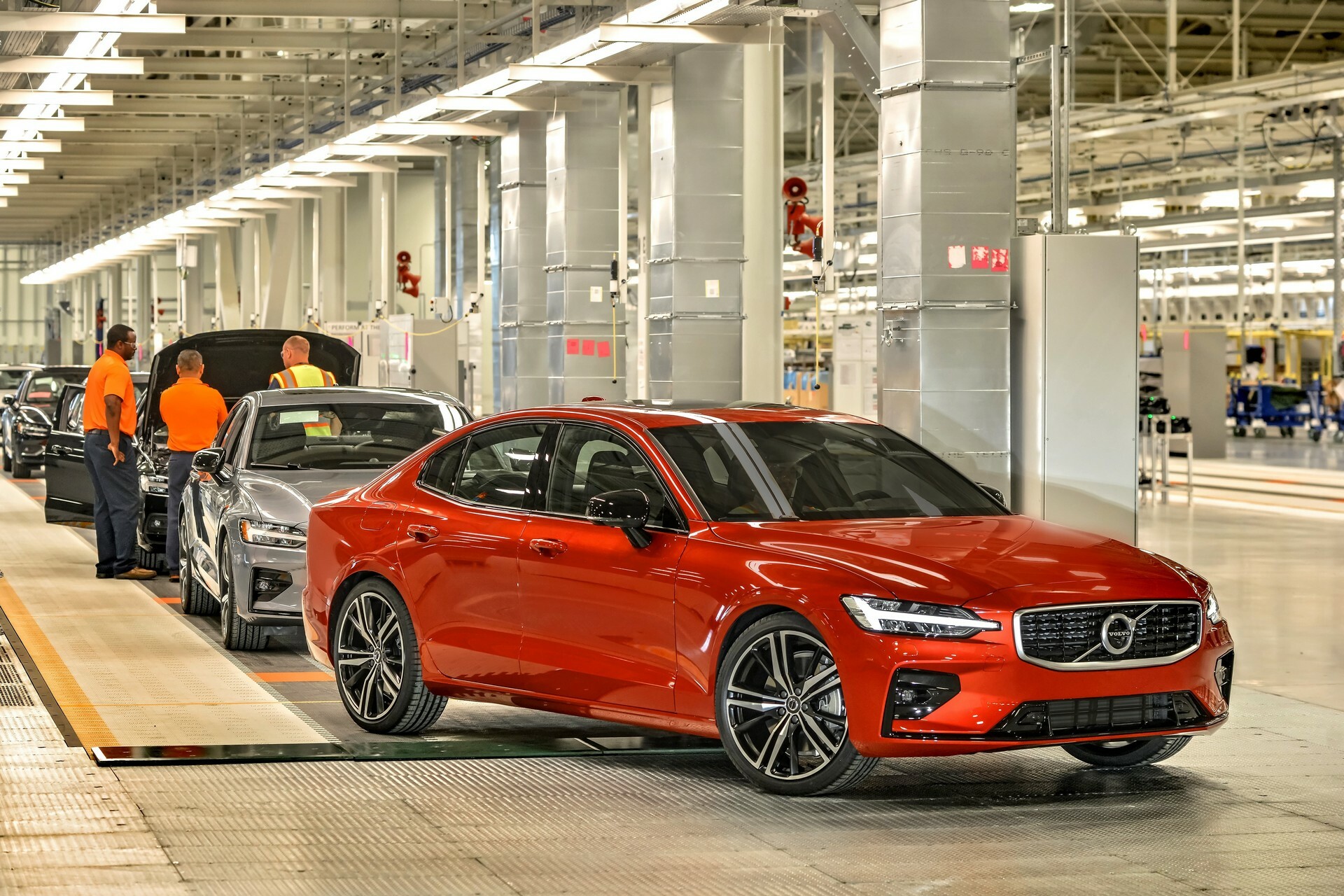
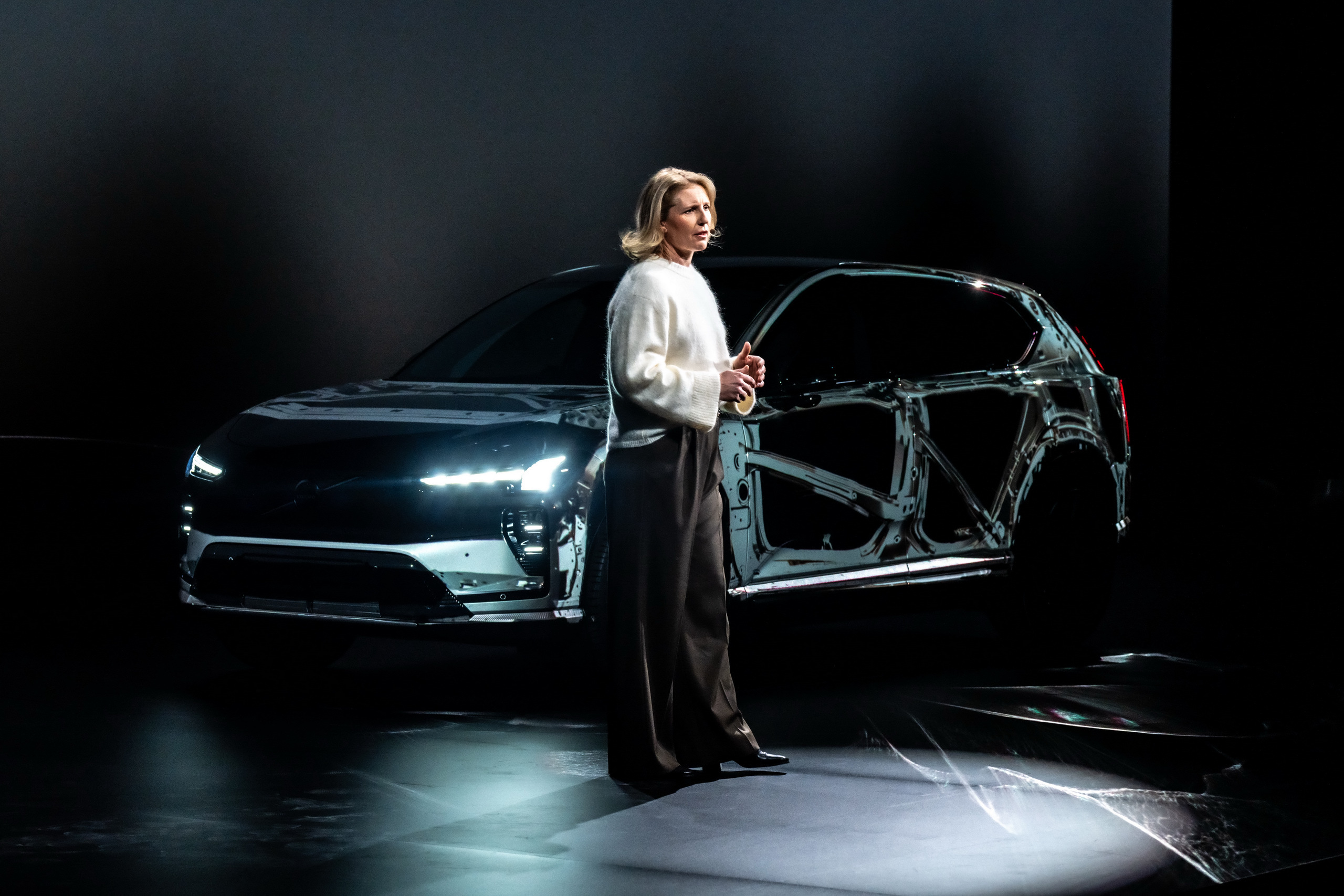
Like so many other car manufacturers, Volvo’s line-up is becoming increasingly dominated by crossovers and high-riding SUVs, but there’s hope for those who like sedans and estates. According to the Swedish carmaker, the new SPA3 platform for the EX60 offers the flexibility to support low-slung vehicles.
The new underpinnings, which debut in the EX60, have been created in such a way that battery capacity doesn’t determine the height of the vehicle. This is an important distinguishing point between it and the EX90 and ES90’s SPA2 platform, which is an adapted version of the combustion platform.
Read: Volvo Just Gave Its Three-Row EV A Huge Upgrade
In an interview with Autocar, Volvo’s chief technology officer Anders Bell explained that SPA3 enables future EVs to stay closer in width and height to their combustion counterparts. Without having to stretch dimensions just to fit large battery packs, the platform avoids compromising interior space.
Bell added that over 7 kWh of battery capacity can be shifted ahead of the front wheels, opening up more possibilities for weight distribution and design flexibility.
That flexibility comes from a clean-sheet rethink of the platform’s fundamentals. “We can make [cars] high. We can make them low,” said Bell. “It’s all in scalability, and this is unlocked by removing the combustion engine, the exhaust, fuel tanks and everything from the equation, and finding new ways to build up the bone structure and the scalability of the platform.”
Whereas adapted combustion platforms force battery packs to sit entirely between the axles, SPA3 gives designers more room to work with. Cells can now be placed ahead of the scuttle, using more of the floorpan without compromising crash safety or vehicle dynamics.
New Designs Are Now Possible
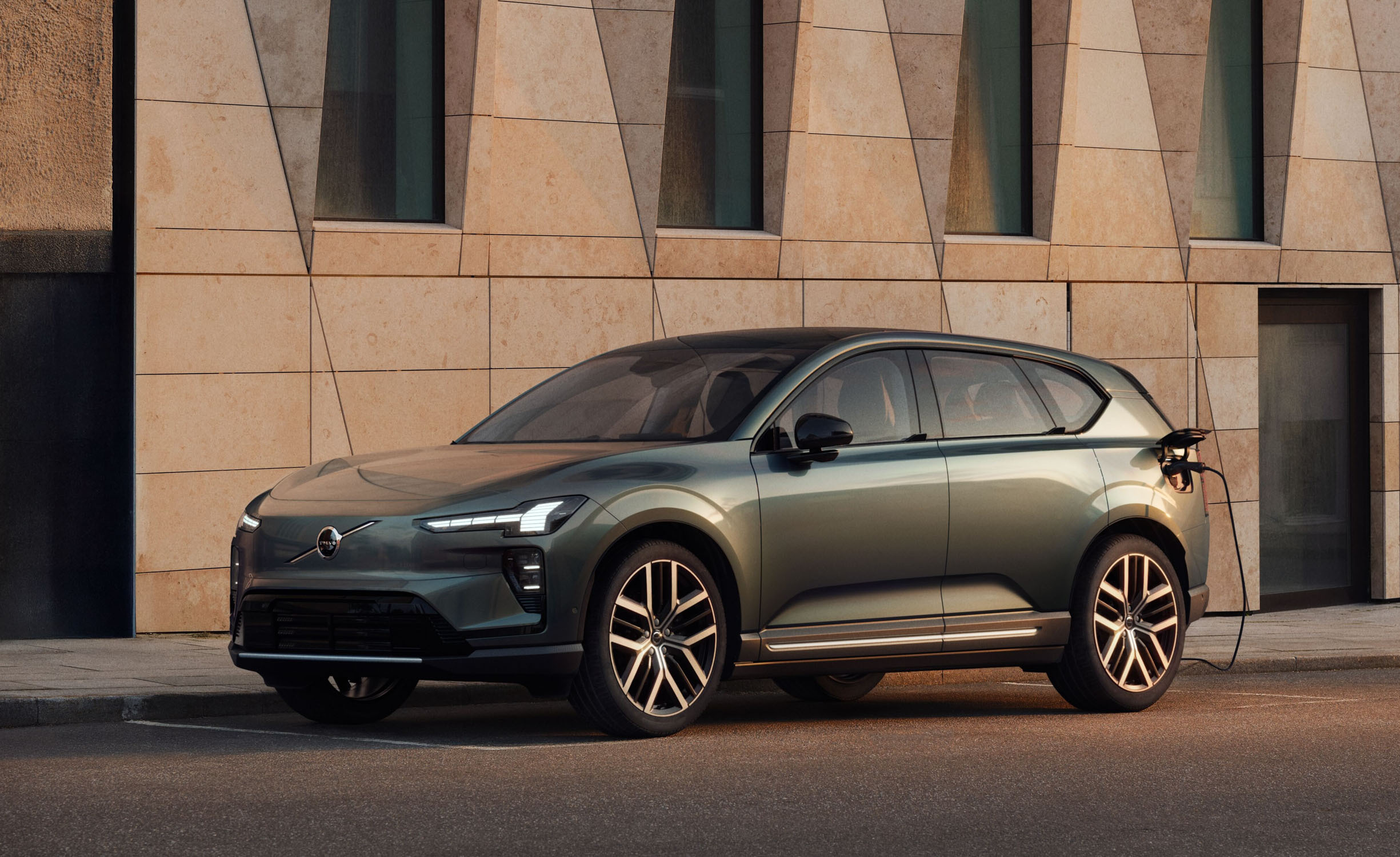
This means that “in a lower car, you can depopulate cells in the rear footwell, because this is actually what sets the lowest height of a car: the rear-seat passenger.” He noted that many current EVs based on ICE platforms look like baby SUVs because the cars must be raised to accommodate a flat battery pack between the wheels.
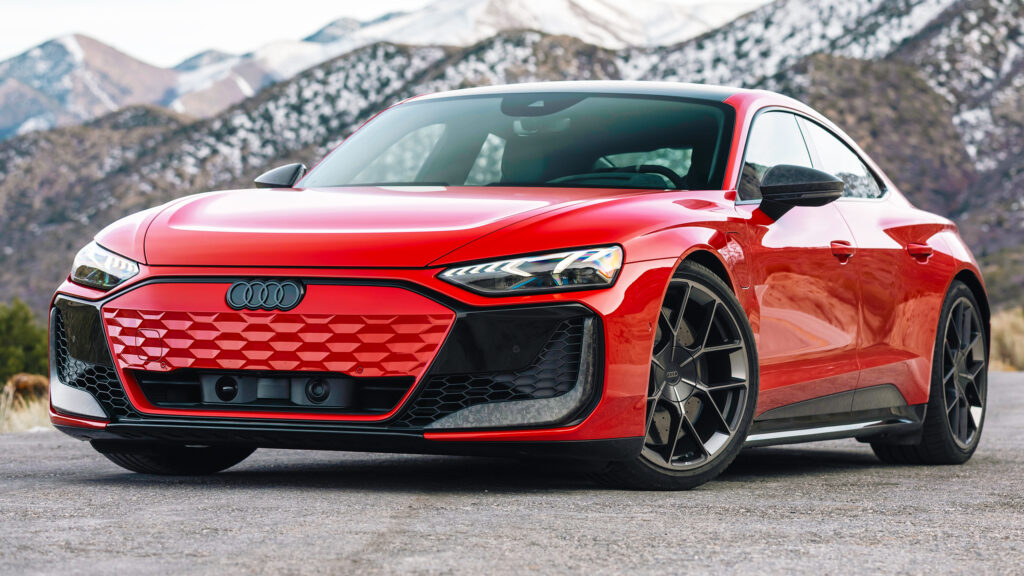
By pushing modules ahead of the windscreen, Volvo also creates space for what Bell calls “foot garages.” Similar to those found in the Porsche Taycan and Audi E-tron GT, these recessed floor sections allow for lower seating positions. The result is an EV interior that feels more like a traditional car, with lower rooflines and more natural driving ergonomics.
According to Bell, the new architecture gives Volvo the option to build just about anything it wants. “We can do low. We can do sleek. We can do high. We can do MPVs… It’s all in the cookbook. What we choose to do, however, is a different story.”
A New S60, or V60?
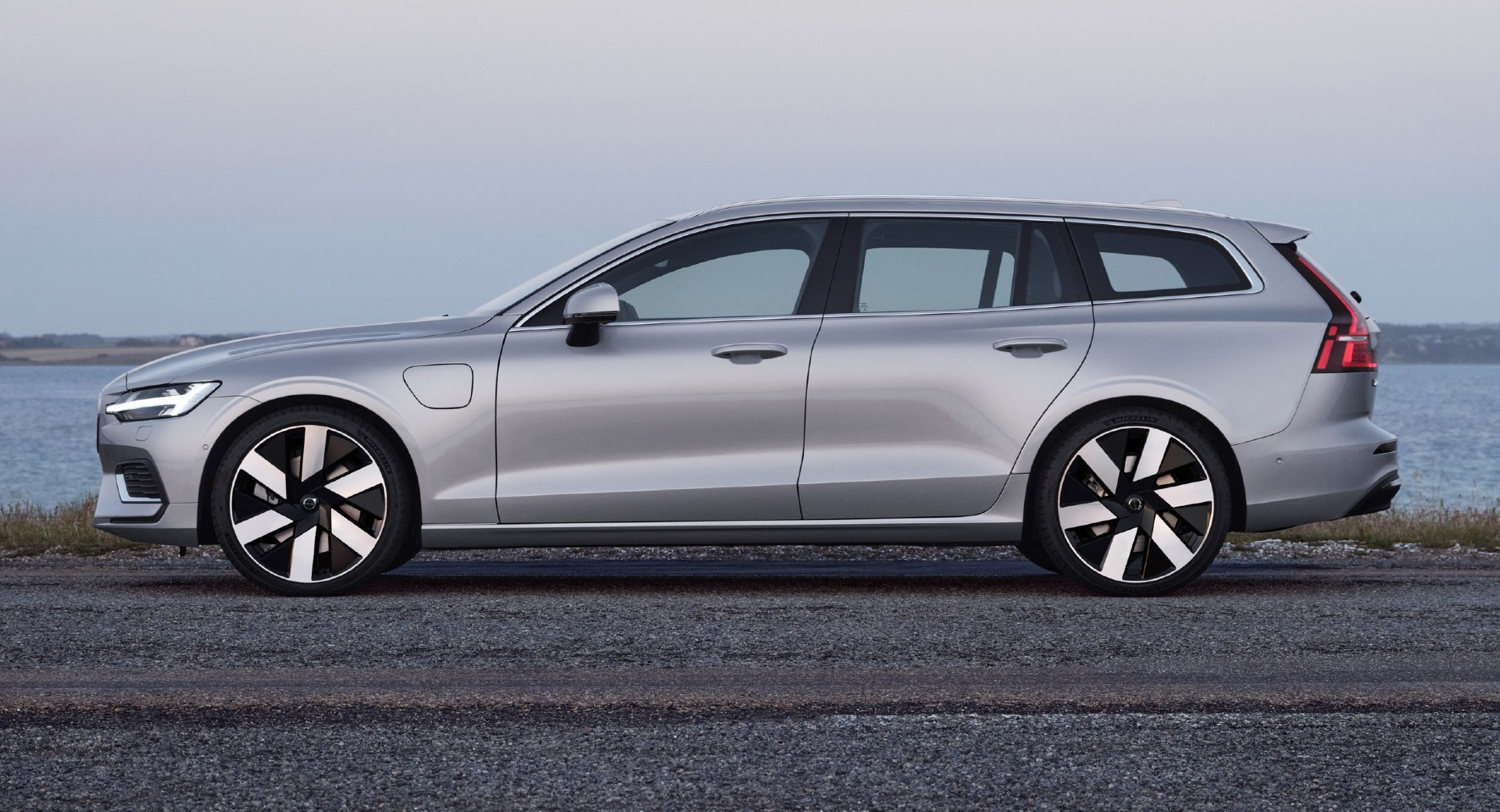
While Volvo wouldn’t reveal what kind of low-slung cars it might have in the works, Bell reiterated it can now go “very low, like proper low,” adding “you can achieve this fantastic bandwidth so we can make super-sleek cars, like there’s no battery pack that affects the height of the roof.”
In theory, this could mean electric versions of sedans like the S60 or S90 could be possible, as well as estates like a new V60 and V90. Such models could look a whole lot more appealing than the ES90, which is Volvo’s current closest car to an electric sedan, but actually sits as high as a crossover because of the ICE-derived underpinnings.