


- Essential safety controls must have physical buttons.
- Automated driving systems face tougher standards
- Yokes and pop-out handles already heading for exit.
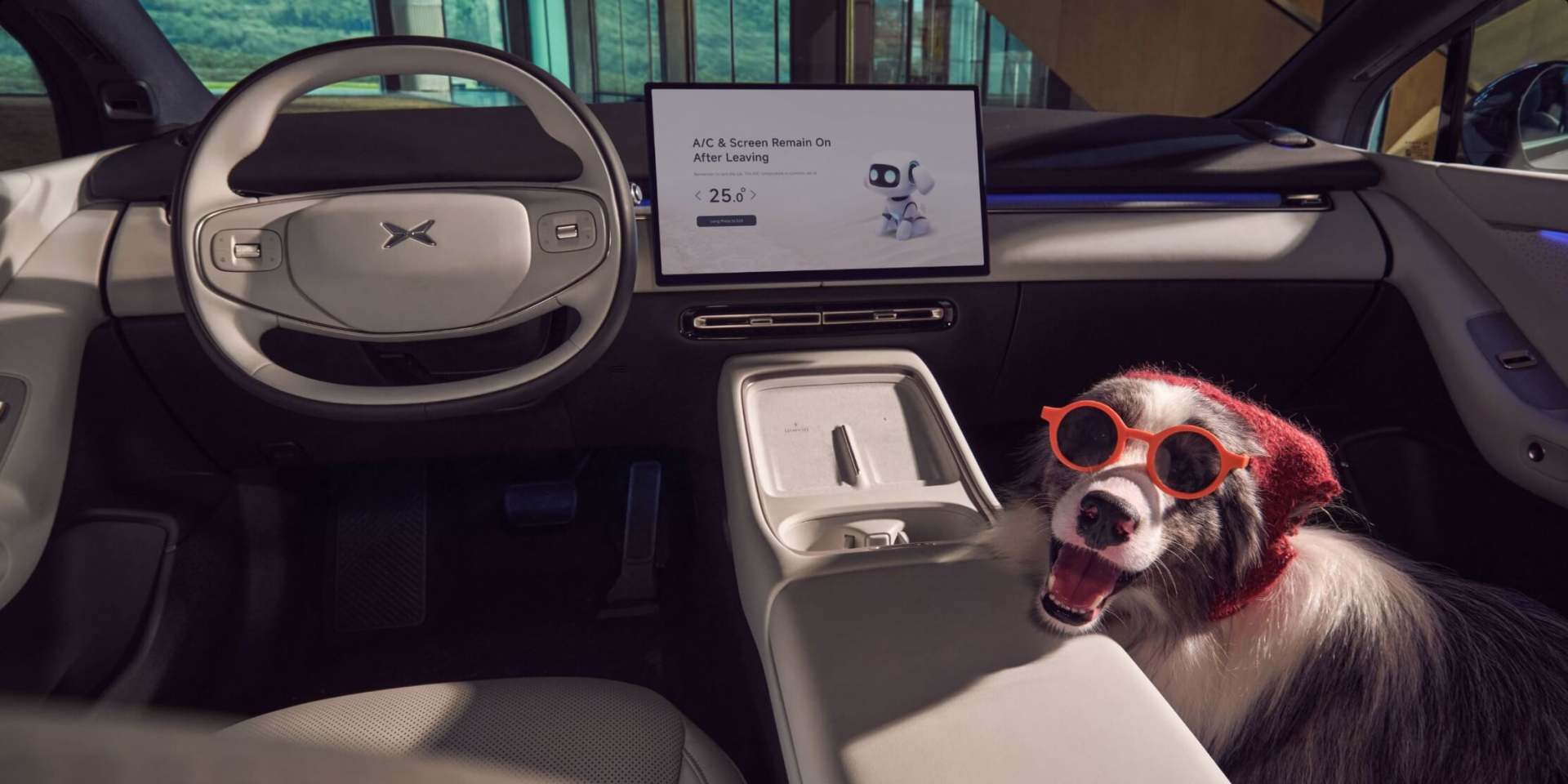
China has done more than any other nation to push touchscreen tech in new car cars, but now the country’s lawmakers are stepping in, saying automakers have taken things too far.
The country’s Ministry of Industry and Information Technology has proposed new rules that would require essential safety functions to be controlled by actual switches or buttons. Not buried in a submenu. Not hidden behind a swipe. Real, tangible controls you can hit without taking your eyes off the road.
More: Yoke’s Over, Say Chinese Lawmakers
Turn signals, hazard lights, gear selection and emergency calling must have fixed buttons or switches with a minimum surface area of 10mm by 10mm (0.4 x 0.4 in), Bloomberg reports. That might not sound like much, but in the era of glass slabs and haptic guesswork, it is practically a rebellion, one that plenty of drivers have been calling for.
The move takes direct aim at the minimalist interiors popularized by Tesla and widely copied by Chinese EV brands like BYD and Xiaomi. Those clean dashboards look great in marketing photos and they’re fine to use when you’re parked up or stuck in traffic. But they’re less fun when you’re on the move dealing with screen lag, endless menus and icons that are too small to read.
Safety Crusade

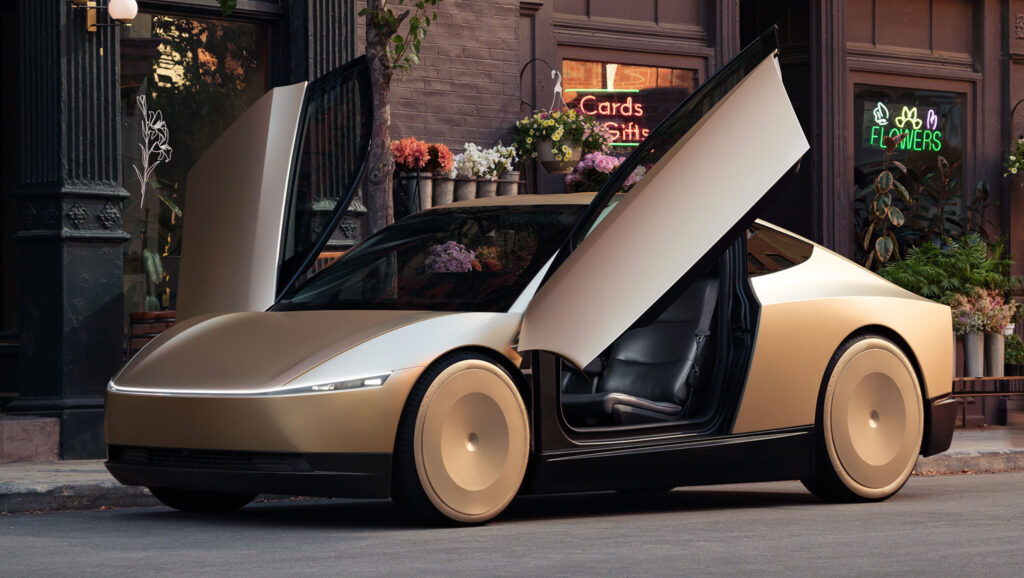
And this isn’t a one-off. China has been on a safety-rule streak lately. It recently banned concealed pop-out door handles after several high profile crashes left occupants trapped inside EVs. And earlier today, we reported that it’s pulling the plug on yoke-style steering wheels, arguing that unconventional shapes aren’t compatible with real-world safety testing and airbags.
Stricter Autonomy Rules
Beyond buttons, lawmakers are tightening the screws on high-level driver assistance. New standards for Level 3 and Level 4 systems require them to demonstrate safety equivalent to a competent and attentive human driver. That’s a pretty high bar in rush hour traffic, but one we should all support no matter where we live.
Related: Kia’s Fixing What Drivers Hate Most About Modern Car Interiors
Carmakers will need to submit a formal safety case proving their systems can handle everyday driving and critical high risk scenarios. If the tech fails or the driver ignores a takeover request, the car must achieve what Chinese regulators call a Minimal Risk Condition. In plain English, it has to get itself to a safe stop.
Remote assistance for fully automated vehicles is also being formalized, paving the way for robotaxis that can call in a human when things get complicated. In other words, China isn’t anti tech. It just wants that tech to come with an off switch you can actually find.