


- Lawsuit claims electric seat adjusters collapse in rear impacts.
- Charger, Challenger, Dart and Chrysler 200, 300 are affected.
- A misaligned seat could make safety equipment less effective.
You expect a Dodge Challenger to drop jaws at a traffic light and then maybe drop the guy in the next lane when that light goes green. But if your muscle car gets tapped on the back by another vehicle, the only thing that might drop could be your driver’s seat, a new lawsuit claims.
More: Stellantis Tells Nearly A Quarter Million Owners To Stop Driving Their Older Cars
The class action targets seat height adjusters fitted to models like the Charger, Challenger and Chrysler 300 built between 2011 and 2023, plus a couple of other Stellantis alumni, the Dart and 200.
According to the complaint, a small bracket inside the electric adjuster can fail during a rear impact on more than 2 million Stellantis vehicles, allowing the seat to suddenly sink.
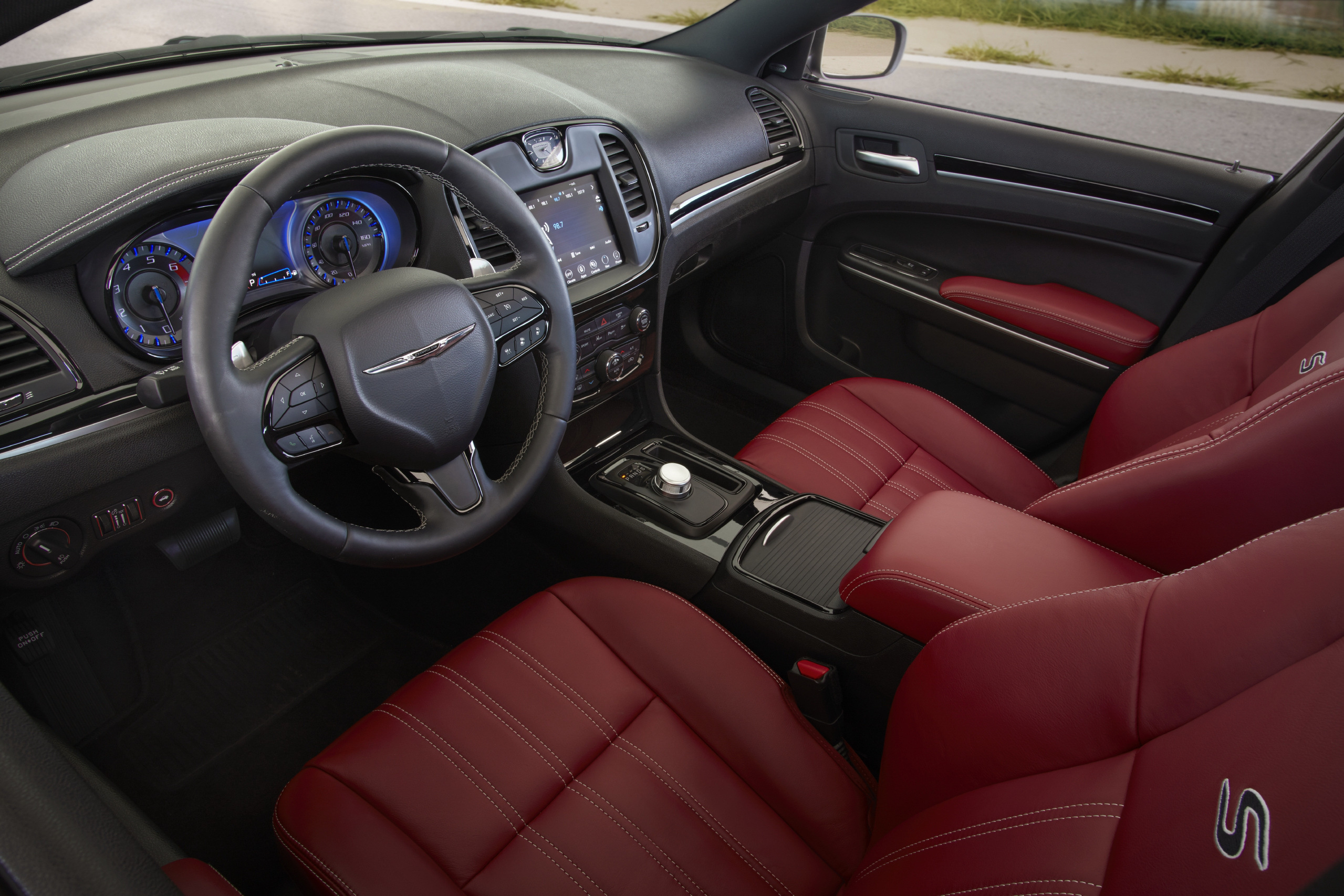
The hardware itself sounds typical. An electric motor spins a threaded shaft which moves a nut and welded bracket to raise or lower the seat. Normal car stuff. But lawyers say rear impact tests carried out at 25 mph (40 kmh) caused the bracket to break, potentially throwing occupants out of position.
Misaligned Safety Tech
That matters because safety systems assume your torso is where the engineers intended it to be. If the seat drops mid crash, airbags and restraints might not meet you where expected. Imagine tensing your midsection in preparation for a punch to the guts only for the floor to vanish and the knuckle sandwich to smack you in the mouth instead.

The lawsuit alleges FCA and supplier Lear Corporation knew about the issue and chose not to inform regulators or customers. It claims the companies concealed the fault to avoid an expensive redesign and recall and says vehicle values have been negatively affected.
“FCA, Lear, FCA’s Authorized Dealerships, and others were aware of FCA’s advertising, and conspired with FCA to conceal the existence and scope of the defect in the Defective Seat Height Adjuster installed in the Seat,” the lawsuit states.
For the moment these are allegations, not findings. Stellantis has not yet answered in court and the judge will decide whether the case becomes a full class action suit. That process can take months, so until then, drivers of affected cars can mostly relax in seats that will probably, but not definitely, stay exactly where they left them.