










- About 31.5 percent of tested chargers fell outside limits.
- Some units delivered far less energy than shown.
- Public charging costs and taxes add to driver concerns.
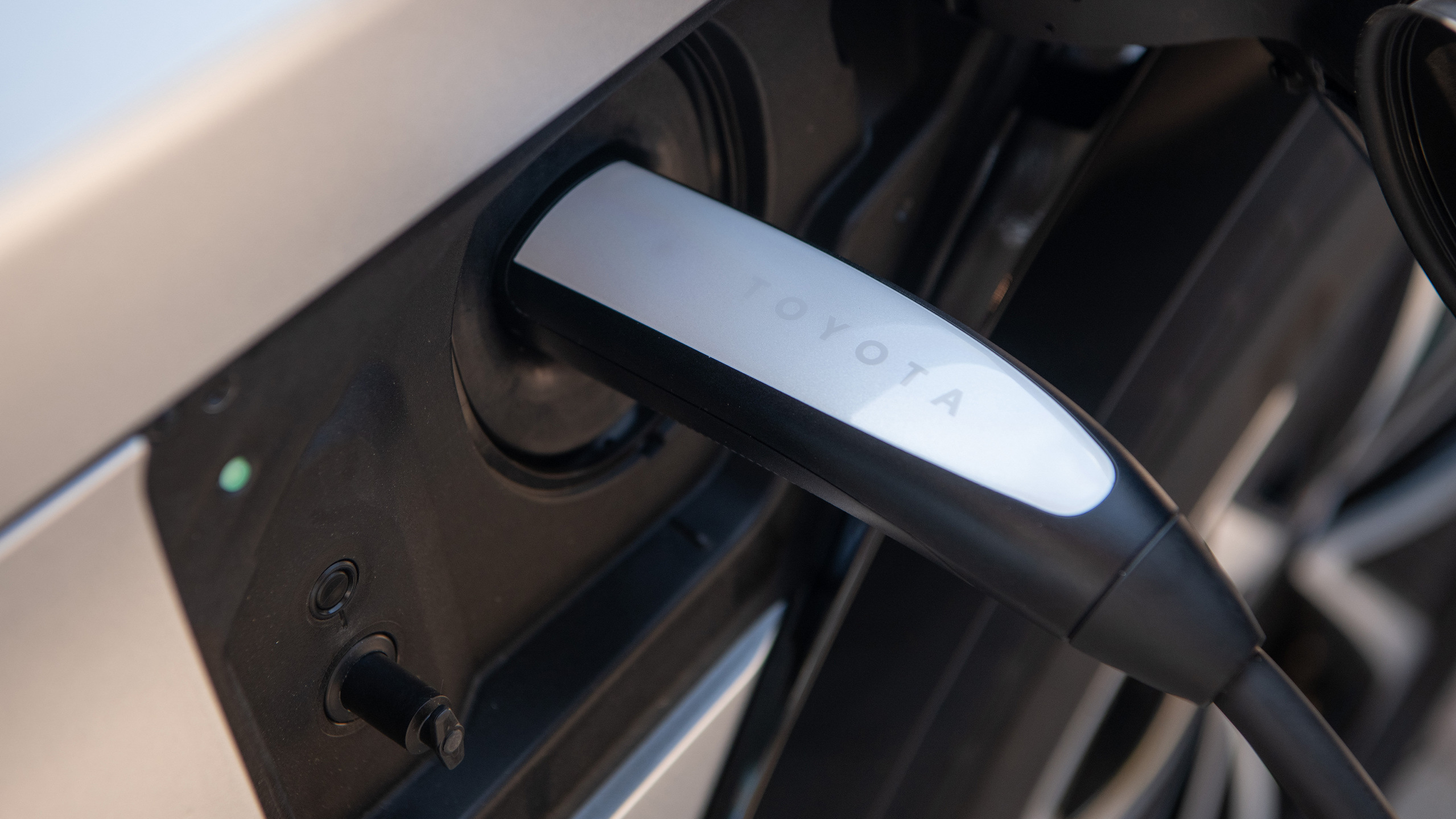
Refueling is something most drivers don’t think about too much. They plug in or insert a fuel nozzle, press go, and wait to see how bad the bank account damage is in the end. Now, EV drivers in the UK might be thinking twice before they plug in at a public charging station. A new study found that almost one in three mis-calculated the energy provided during a session.
According to independent inspection provider EVCI Global, 31.5 percent of the chargers it reviewed either overestimated or underestimated the energy transferred to vehicles. In roughly 15 percent of cases, errors exceeded five percent, with a small number showing what the company described as “materially larger deviations.”
EVCI says this effectively leaves EV drivers carrying more financial risk than petrol car owners, who enjoy far tighter oversight every time they pull up to a pump.
More: BYD’s New EV Chargers Are So Fast They’re Arranged Like Gas Station Pumps
The study, first reported by The Telegraph, highlights how different standards are for EV chargers when compared to gas or diesel fuel pumps. Fuel dispensers are subject to strict statutory verification and typically must operate within a tolerance of -0.5 to +1 percent.
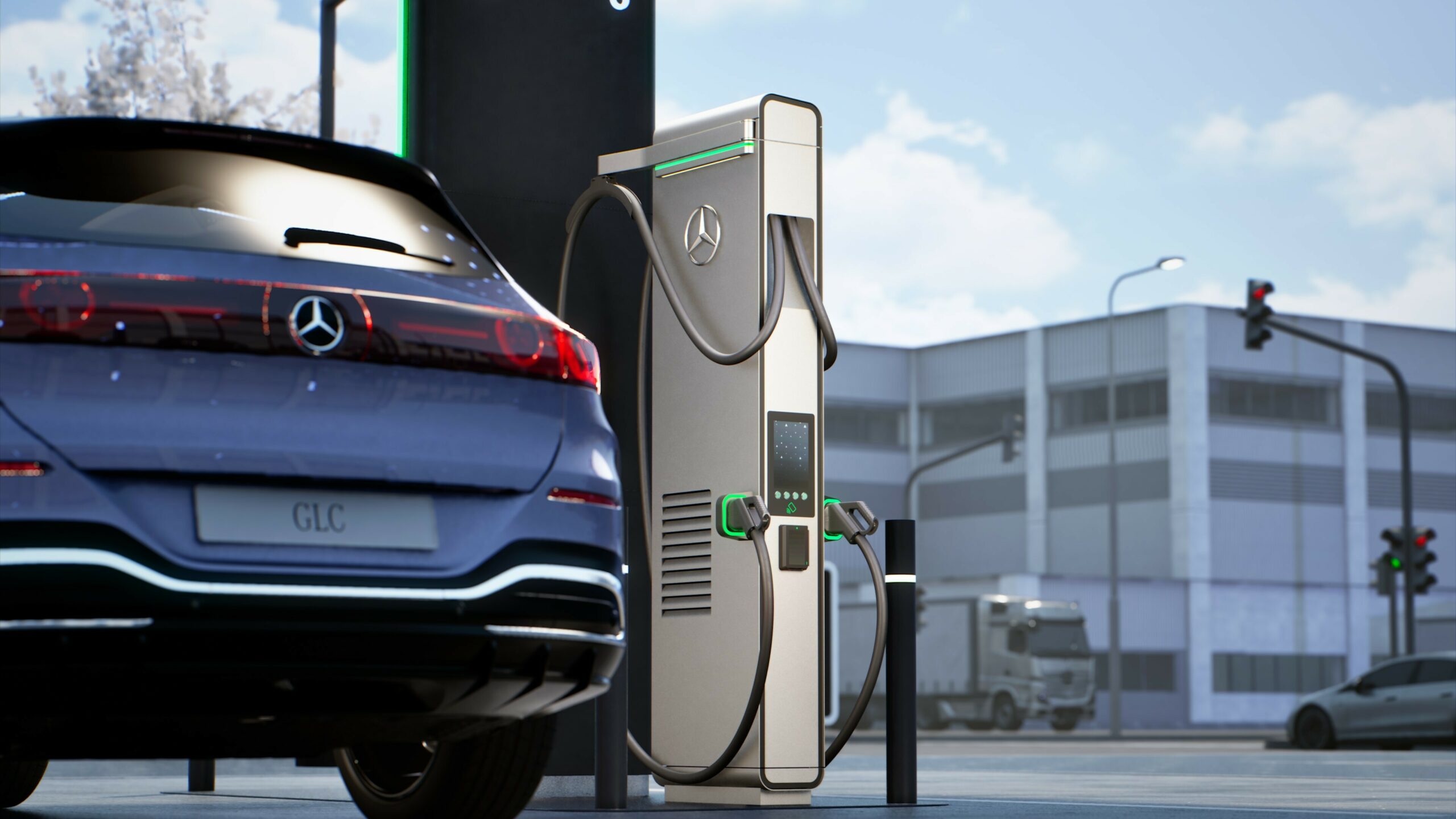
By contrast, most public EV charge point meters are allowed a margin of error of up to +2 percent. Even so, EVCI says nearly a third of the units it tested fell outside that permitted window.
The company argues that public chargers should be brought under a formal verification regime similar to fuel pumps. It has also raised the issue with relevant government departments, pushing for clearer oversight and enforcement.
Extreme Cases And Industry Response
In one extreme case cited by CEO Craig Marsden, a charger was found to be delivering 37 percent less electricity than the figure displayed on-screen. Importantly, there were also cases where the chargers actually under-valued the amount of juice they provided, so drivers paid less. The findings have been presented to the Transport Select Committee.
“People with EVs need to know that they’re getting what they’re paying for, the same way that they do at petrol pumps,” Marsden said.
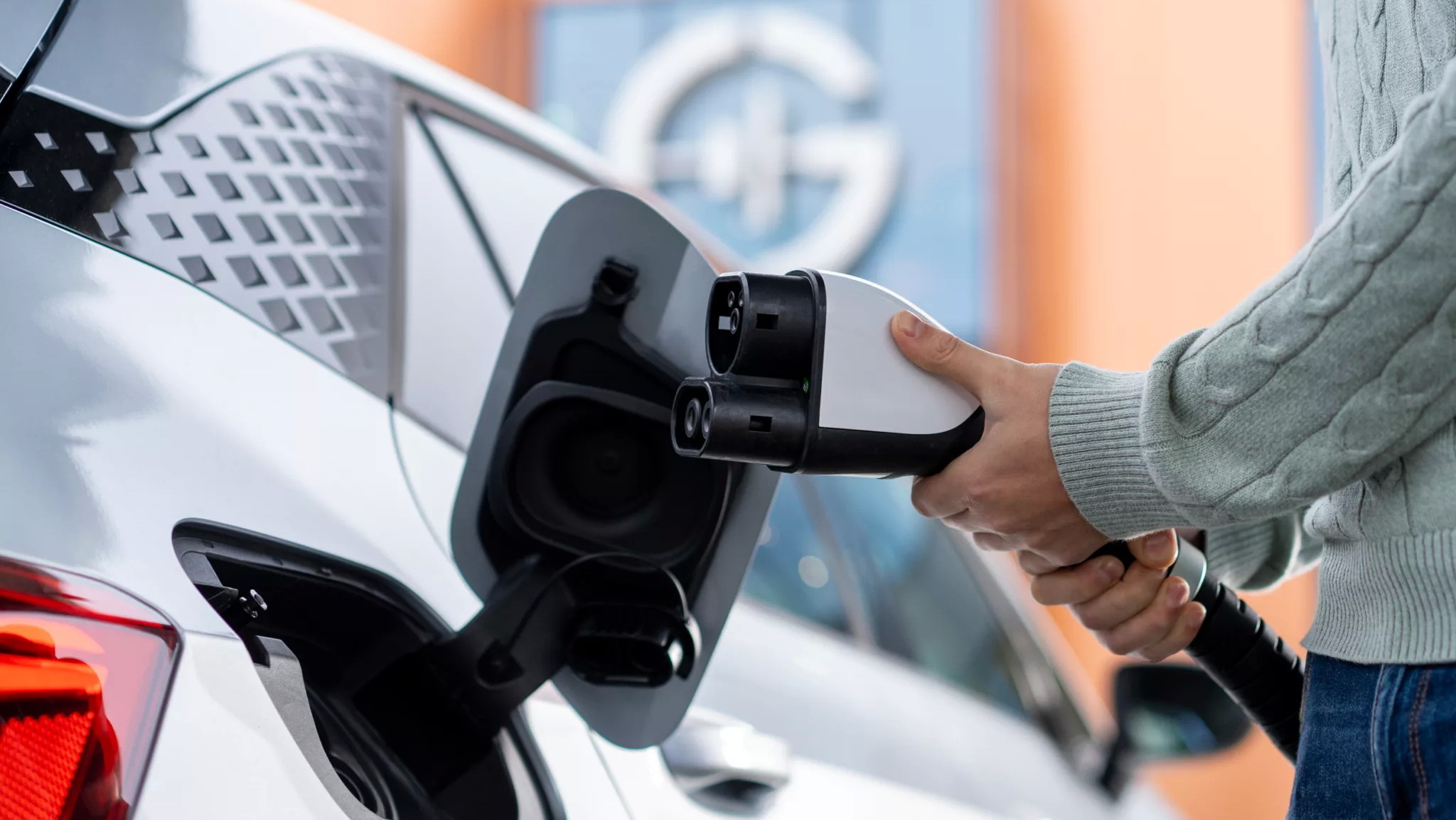
EVCI argues that this situation creates a two-tiered situation where EV owners are at greater risk of losing money. That’s especially true for those who don’t have access to off-street parking and home charging networks. Such individuals rely heavily on public charging infrastructure and could end up paying more than their fair share. A long charging session can exceed £70, and annual costs may approach £2,000. That’s without the errors included.
Industry Response To Accuracy Claims
Industry body ChargeUK has pushed back on the report, saying that the inaccuracies are isolated cases. It also pointed out that measuring electricity transfer is more complex than measuring liquid fuel.
Also: PHEVs Promised Efficiency, Drivers Are Burning Three Times More Fuel
A spokesperson for the Department for Transport told the newspaper that public EV charge points are expected to measure and supply exactly the electricity they claim to deliver. They added that meters at most public chargers are regulated to ensure accuracy within 2 percent.
That said, EV drivers will no doubt want to see a dramatic improvement in the next EVCI report. Otherwise, adoption rates could take a hit.