









- New York City may expand meters and introduce permits.
- Around 97 percent of curbside spaces remain free today.
- Limited paid parking could be costing billions in revenue.
There are roughly 3 million curbside parking spaces dotted across New York, and the vast majority are free. However, newly elected Mayor Zohran Mamdani is said to be weighing up the possibility of making New Yorkers pay for parking in a bid to boost revenue and tackle a $7 billion budget gap.
While his administration has emphasized taxing higher earners as a priority, it has also acknowledged that measures like higher property taxes and paid parking may need to be part of the solution.
Of the nearly 3 million curbside spaces in New York, approximately 97 percent are free, meaning only about 3 percent are metered. That puts the city well behind peers like San Francisco, Washington, D.C., and Los Angeles.
Read: Hundreds Of Cars Trapped After NY Parking Suddenly Collapses
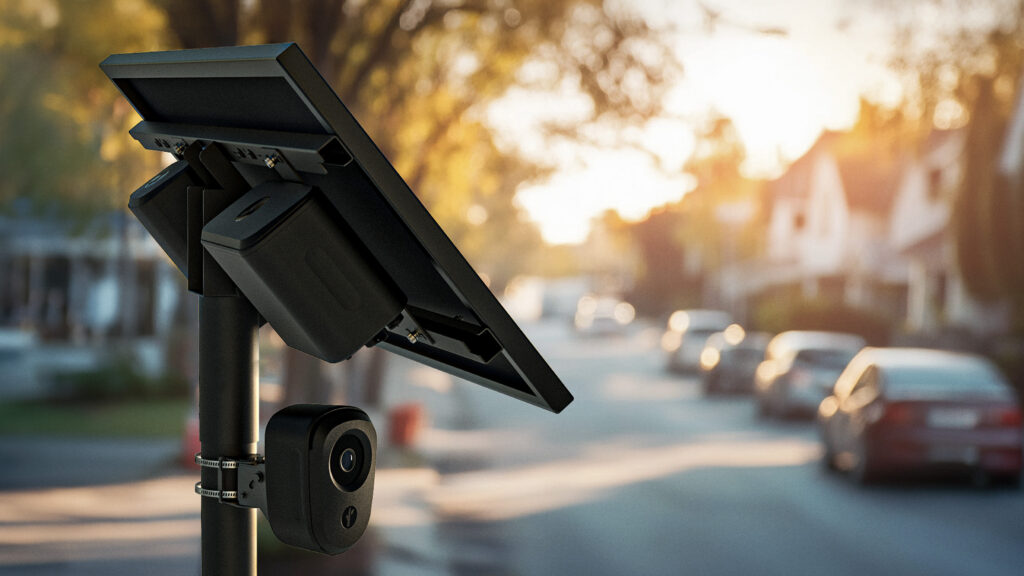
Moving forward, New York could add more parking meters across the city and charge hourly rates, or install more advanced revenue boxes that accept physical and online payments. CNBC reports that officials are also considering residential parking permits, an idea already reflected in a state-level bill introduced last year that would allow the city to implement such a system.
Permit Models From Other Cities
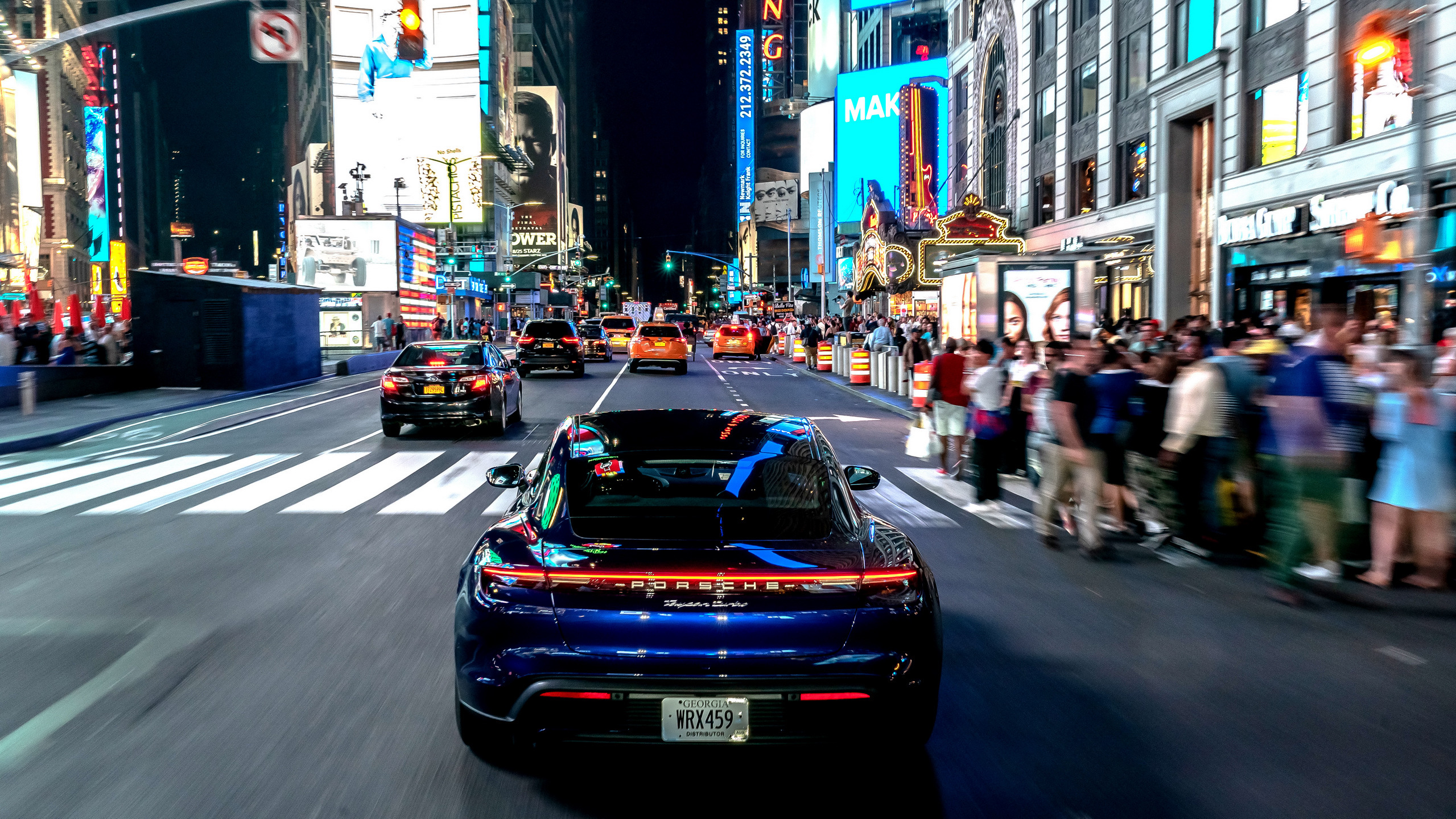
In Washington, D.C., residents need to pay $50 for an annual parking permit for the first vehicle, increasing to $75 for a second vehicle, $100 for a third vehicle, and $150 for a fourth vehicle. New York could do something similar. Obviously, this would infuriate locals who’ve become accustomed to free street parking, but it could generate billions in revenue for the local government.
The cost of leaving curb space unmetered adds up quickly. On the Upper West Side alone, lost revenue is estimated at more than $114 million per year. Zoom out across New York City’s five boroughs, and some projections suggest the total shortfall could approach $2 billion annually from free curbside spaces.
According to Rutgers-Newark associate professor Brenden Beck, it doesn’t make sense for New York City to have so few paid parking spots. “It should be much higher when you consider that New York City has a much more robust public transit system” than some other US cities.
“The working class and the middle-class system of Los Angeles, for example, might have a case if they were to say, ‘Please don’t meter us; we have no other way to get to work.’ There’s less of a case to be made in New York,” he added.